Is Body Contouring Worth It for Stubborn Fat if You’re Already Near Your Goal Weight?
If you are already eating well, exercising consistently, and staying close to your goal weight, body contouring can be worth it when the problem is shape rather than scale. The best candidates are usually trying to refine one or two stubborn areas that have not responded to healthy habits, not chase major overall weight loss. If your main concern is significant loose skin, a large amount of weight still to lose, or a dramatic one-treatment transformation, a different plan is usually more realistic. Learn more about our body sculpting options here.
When is body contouring actually worth the investment?
Body contouring is usually worth it when it solves a specific problem that diet and exercise have not changed. That often means pinchable fat on the abdomen, flanks, thighs, arms, or under the chin, or mild skin laxity that makes a treated area look softer than you want.
It tends to feel less worth it when expectations are too broad. If the real goal is to lose a noticeable amount of body weight, shrink every area at once, or fix significant loose skin without surgery, even a well-done treatment can feel disappointing because it is being asked to do the wrong job.
Guidance from the American Board of Cosmetic Surgery on non-surgical fat reduction explains that these treatments are designed for small, localized fat pockets in individuals near their ideal weight and are not intended as a weight-loss solution.
How do you know stubborn fat is the real problem?
Body contouring is most useful when fat is the main issue, not deep visceral fat or major loose skin. A simple rule of thumb is this: if the area is soft and pinchable just under the skin, non-surgical fat reduction may be a better match than it is for a firm, rounded abdomen caused by deeper abdominal fat.
If the area looks more loose, crepey, or “deflated” than full, skin tightening may matter more than fat reduction. When there is a lot of hanging skin after major weight loss, surgical body contouring usually creates more noticeable change than non-surgical options.
What kind of result should you expect from non-surgical body contouring?
The payoff is contour refinement, not a whole-body reset. People who are happiest with treatment usually notice better proportion, a smoother outline in clothing, and more confidence in one or two resistant areas rather than a dramatic change everywhere at once.
Guidance from the American Board of Cosmetic Surgery on non-surgical fat reduction notes that results develop gradually over time, which can look more natural but may feel subtle after a single session, and that multiple treatments are often needed depending on the area, technology, and starting point.
How do the main options compare when you’re close to goal weight?
When you are already near goal weight, the question is usually not “Does body contouring work?” but “Is this the right tool for my specific concern?” That is where most disappointment starts or stops.
| Your situation | Most realistic next step | Why it can feel worth it | When it may not feel worth it |
|---|---|---|---|
| You can pinch a localized fat pocket on the abdomen or flanks | Cryo sculpting or another fat-reduction approach | It targets shape in a specific area without surgery, which is exactly what many near-goal-weight patients want | It will feel underwhelming if you wanted broad weight loss or a dramatic size drop everywhere |
| You have mild looseness or texture changes | RF skin tightening | It is a better fit when firmness matters as much as size | It may disappoint if the real issue is a thicker fat pocket rather than laxity |
| You have a mix of a small fat pocket and mild laxity | A combination plan | It can be more satisfying because it addresses both shape and firmness instead of forcing one treatment to do everything | It is not a shortcut if your expectations are extreme or rushed |
| You have large loose-skin folds after major weight loss | Surgical consultation | It is the more honest path when the main issue is skin removal, not contour polishing | Non-surgical treatment usually will not create enough visible change |
| You are still actively trying to lose a meaningful amount of weight | Weight stability first, then contouring later | It protects your investment and helps match the treatment to your final shape | Starting too early often leads to mismatched expectations |
If you want help sorting out which lane you are actually in, you can review our body sculpting overview here.
What makes someone a strong candidate for body contouring?
Body contouring is usually a strong fit when most of the checklist below is true. This is not a diagnosis, but it is a practical way to know whether the treatment is likely to feel worthwhile.
Your weight has been fairly stable.
You are already close to your goal weight.
Your concern is one or two specific areas, not your whole body.
The area feels soft and pinchable, or you have mild laxity rather than heavy loose skin.
You are comfortable with gradual change instead of instant change.
You want little to no downtime compared with surgery.
You plan to maintain your results with everyday habits after treatment.
What are common mistakes and red flags before treatment?
The biggest mistake is choosing a fat-reduction treatment when the real issue is loose skin, or choosing a tightening treatment when the real issue is a thicker fat pocket. The second big mistake is starting while your weight is still changing. Both situations make good treatments feel disappointing.
Another common mistake is shopping only by the lowest price instead of by fit, plan, and provider judgment. A cheaper treatment that targets the wrong problem is not a bargain.
Red flags are worth taking seriously. Be cautious if you are promised major weight loss, told every area needs the same plan, or pushed toward treatment without a clear explanation of whether fat, skin laxity, or both are driving your concern. Guidance from the U.S. Food and Drug Administration on non-invasive body contouring technologies notes a rare but documented risk of fat freezing called paradoxical adipose hyperplasia, where treated fat may enlarge rather than shrink.
What does “worth it” look like in real life?
Sometimes the clearest answer comes from real-world context instead of marketing language.
Example 1: A patient is close to her comfortable weight, works out regularly, and still has soft lower-belly fullness that has not changed much in photos or clothing fit. She does not want surgery and is realistic about gradual change. In that situation, body contouring can be worth it because the goal is targeted refinement, not a full-body transformation.
Example 2: Another patient has lost a large amount of weight, still expects her weight to continue changing, and is mainly bothered by hanging abdominal skin. In that situation, non-surgical body contouring may not feel worth it yet because weight stability and a frank discussion about skin removal usually matter more than a polishing treatment.
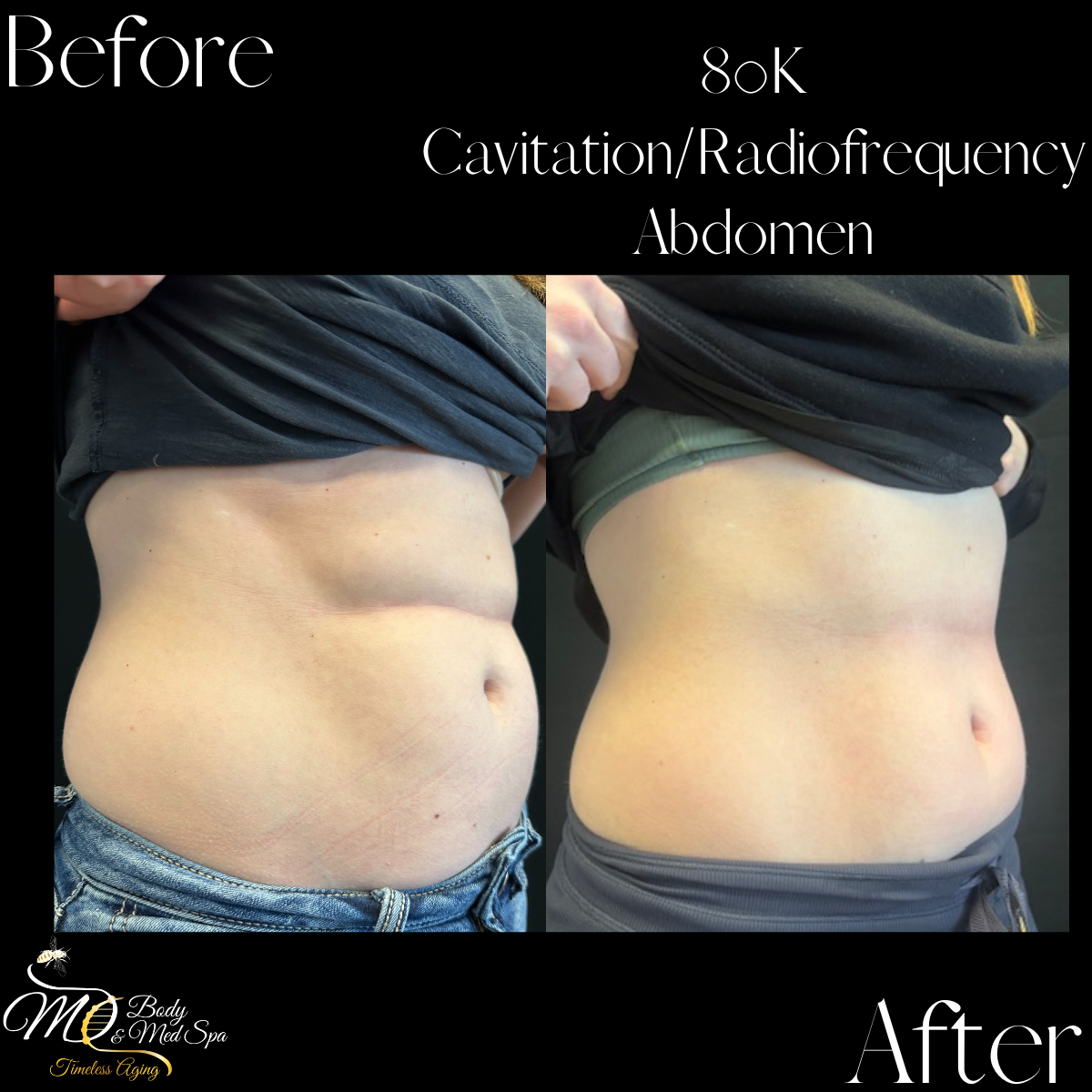
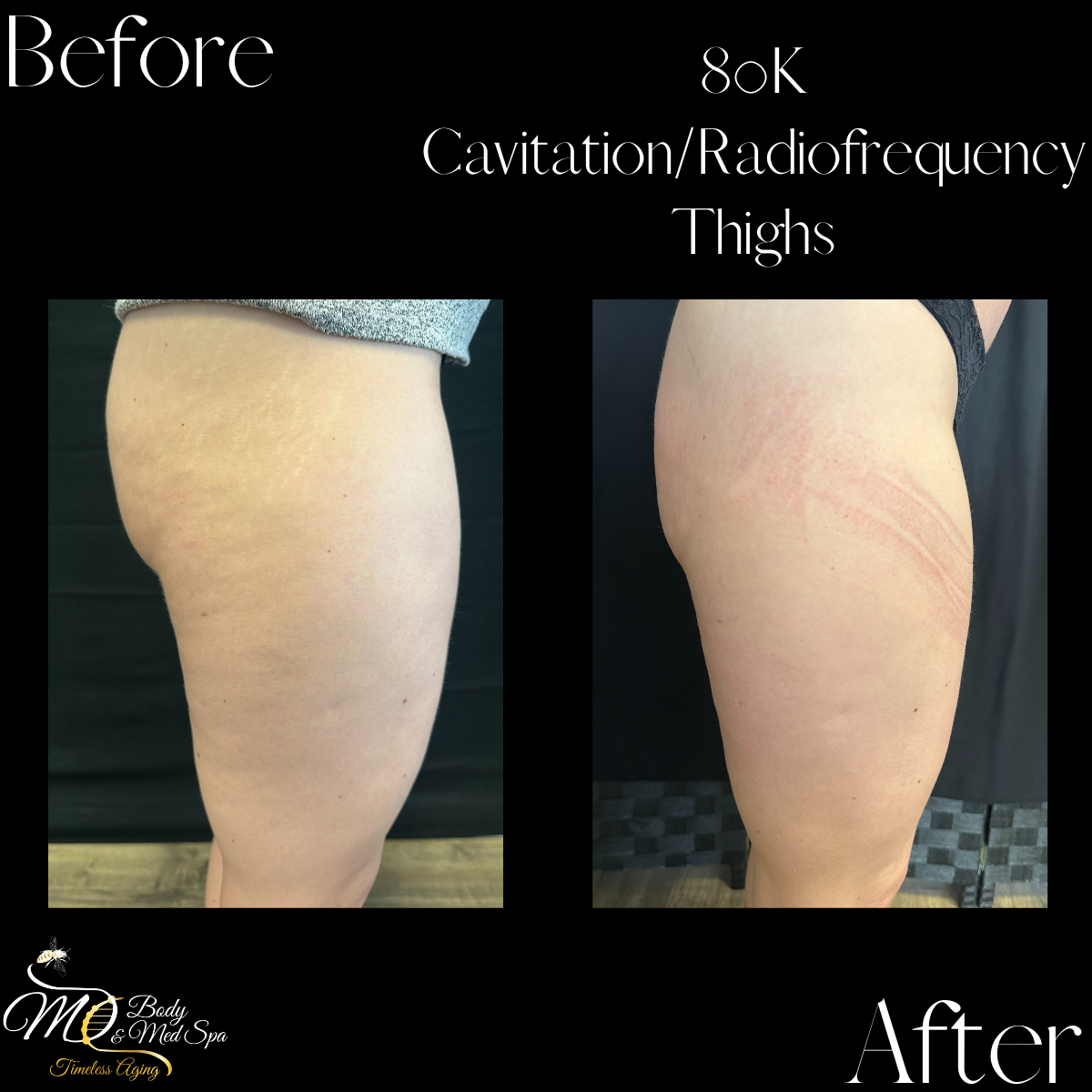
You can also review real body sculpting before-and-after photos here.
What should you ask at a consultation before deciding?
A good consultation should make the decision clearer, not more confusing. Ask what concern is primary, which treatment direction is the better fit, how gradual the result is likely to be, and what would make you a poor candidate right now.
It is also smart to ask whether one area or multiple areas truly make sense, whether a series is likely, and what changes would count as a realistic success for your starting point. Honest answers here matter more than a perfect-sounding sales pitch.
Frequently asked questions about body contouring near goal weight
-
Usually, it makes more sense to focus on weight stability first. Body contouring tends to feel more worthwhile when you are refining your shape after your habits and weight have settled.
-
No. Non-surgical body contouring is meant for subcutaneous fat under the skin or for mild laxity concerns, not deep visceral fat around the organs.
-
Treated fat cells do not behave like temporary water weight, but remaining fat cells can still enlarge if your weight goes up later. That is why maintenance habits still matter.
Ready to decide whether body contouring is worth it for your goals?
If you are close to your goal weight and want a realistic opinion on whether body contouring is the right next step, start with our body sculpting overview and book a consultation from there.
If budget is part of the decision, you can review our current treatment pricing here.