Body Contouring vs Weight Loss: What Each Can and Cannot Do
Body contouring and weight loss are related, but they are not the same goal. Weight loss is about reducing overall body weight and improving health when that is the right priority, while body contouring is about changing shape in specific areas that still bother you after healthy habits are already in place. If you are trying to decide which path makes more sense first, the right answer usually comes down to whether you want the scale to change, your health to improve, your shape to refine, or some combination of the three.
If you already know your main goal is targeted fat reduction rather than broad weight change, you can explore our body sculpting options here.
What is the real difference between body contouring and weight loss?
The simplest difference is this: weight loss changes your overall size, while body contouring changes the shape of a specific area. Weight loss usually happens through nutrition, physical activity, behavior change, and in some cases medical care. Body contouring is used when the bigger issue is stubborn shape, mild laxity, or a resistant bulge that has not changed the way you hoped.
This difference matters because the outcomes are different too. Weight loss can affect how you feel, how your clothes fit overall, and your health markers when excess weight is part of the problem. Body contouring is not designed to treat obesity or produce the health benefits associated with weight loss; the FDA states that non-invasive body contouring does not result in weight loss and is intended to change the shape of an area, not your overall health status.
Cleveland Clinic makes the same distinction in plain language: body contouring does not usually help you lose weight and is used to shape specific areas where weight loss is not effective or where extra skin remains after weight loss.
When should weight loss come first?
Weight loss usually comes first when your main goal is better overall health, lower body weight, or a smaller body size across multiple areas. It also comes first when your shape is still changing, because body contouring tends to feel more worthwhile after your habits and weight have stabilized.
Weight-loss-focused care is the better first move when most of the checklist below is true.
You want the number on the scale to come down in a meaningful way.
You are trying to improve your overall health, stamina, or long-term weight trend.
Your body size is changing across many areas, not just one stubborn spot.
You suspect the issue is deeper abdominal fullness rather than a small pinchable pocket.
Your weight is still moving up or down and you have not reached a stable routine yet.
You are hoping one treatment will replace nutrition, activity, or long-term habit change.
The National Institute of Diabetes and Digestive and Kidney Diseases explains that a healthy eating plan and regular physical activity help people lose weight and keep it off over the long term.
When does body contouring make more sense?
Body contouring makes more sense when the main issue is shape, not broad weight loss. The best fit is usually someone who feels fairly close to a comfortable weight, has one or two resistant areas, and wants targeted improvement rather than a whole-body reset.
This is where people often describe the problem as, “I’m doing the right things, but this one area still does not match the rest of me.” In that situation, body contouring can make sense because it is trying to solve a contour problem instead of a body-weight problem.
It can also make more sense after weight loss, not instead of it. Some people lose weight successfully and still feel frustrated by pinchable fat pockets or mild skin laxity. In those cases, contouring can be the finishing step rather than the first step.
If that sounds closer to your situation, you can review our cryo sculpting approach here.
How do the outcomes compare side by side?
A side-by-side comparison is usually the fastest way to decide what you are actually choosing between.
| Decision point | Weight loss | Body contouring | What this usually means in practice |
|---|---|---|---|
| Primary goal | Reduce overall body weight and body fat over time | Refine the shape of a specific area | Choose based on whether you want the scale to change or a contour to improve |
| Where changes show up | Across the whole body | In selected treated areas | Weight loss is broad; contouring is targeted |
| Health impact | Can support overall health when excess weight is part of the issue | Not a treatment for obesity or a substitute for healthy habits | Contouring is aesthetic first, not a health-management plan |
| Best timing | While building or maintaining long-term habits | After weight and habits are reasonably stable | Starting contouring too early can make results feel mismatched |
| What it does not do well | It cannot choose exactly where fat comes off first | It does not meaningfully lower total body weight | Both paths have limits, so the goal has to match the tool |
| Common frustration | “I’m losing weight, but not where I want it most.” | “I expected a bigger scale change than this.” | Most disappointment comes from mixing up size goals and shape goals |
How do you know whether the issue is shape or overall size?
A practical way to think about it is to ask what would make you happiest six months from now. If the answer is better energy, a lower weight, easier movement, or smaller sizing overall, weight loss is probably still the better first focus. If the answer is a flatter lower abdomen in clothing, smoother flanks, or more balanced proportions in one or two areas, contouring may be the more relevant step.
Another helpful clue is the type of fat involved. Body contouring works on localized, usually subcutaneous fat or mild laxity concerns. It does not treat deep visceral fat around the organs, which is one reason it is not a substitute for overall weight management.
What does this comparison look like in real life?
Real decisions are usually easier to understand through examples than definitions.
Example 1: Someone feels frustrated by belly size, wants to lose a meaningful amount of weight, and notices that their body is changing in several areas at once. They are also still trying to build a routine they can keep. In that case, weight loss is usually the better first priority because the real goal is whole-body change, not contour refinement.
Example 2: Someone else is already exercising, eating well, and staying close to a stable weight, but still has a soft lower-abdomen pocket and flanks that have not changed much. In that case, body contouring may make more sense because the problem is no longer broad weight change. It is a localized shape issue.
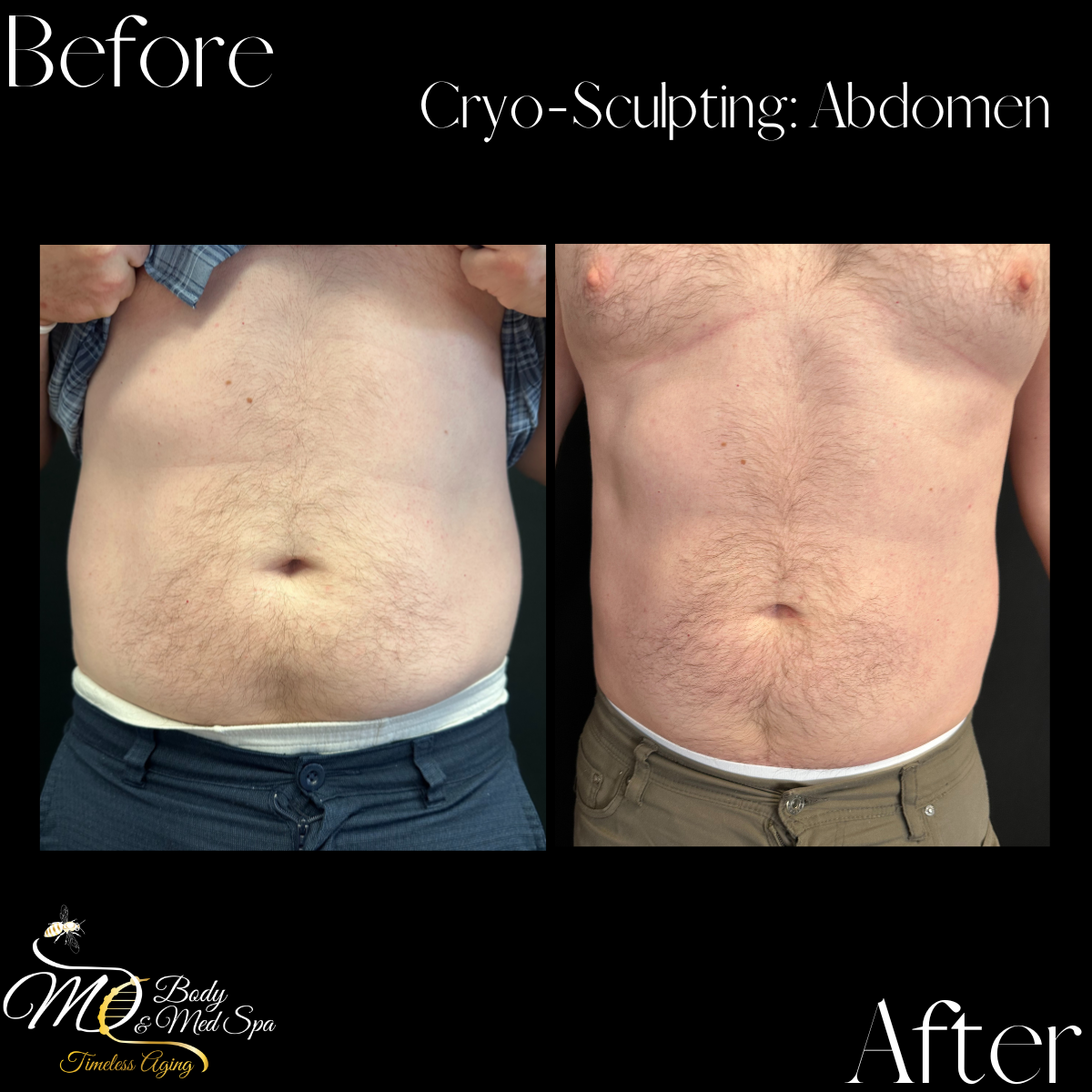
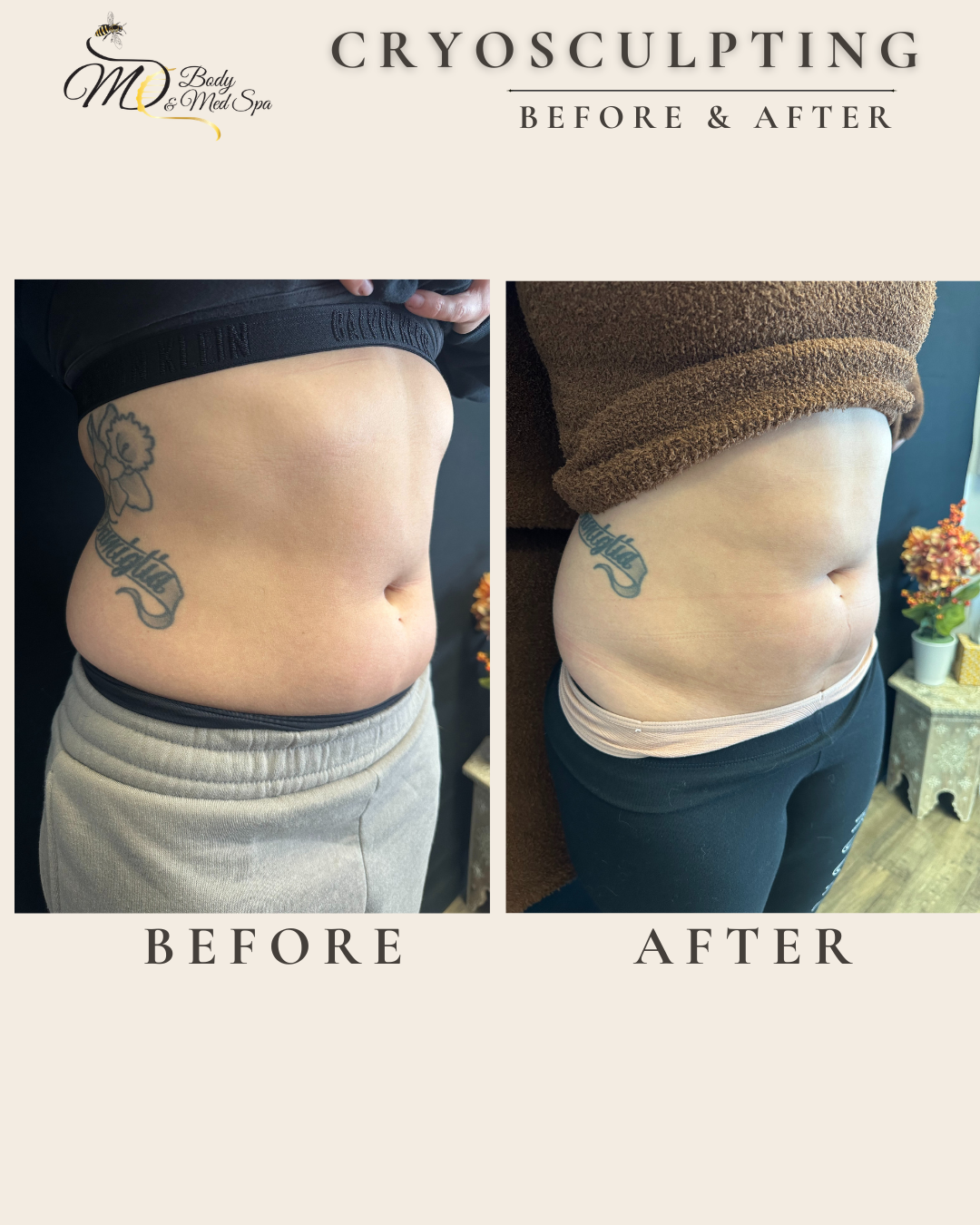
If you want to see the kind of improvement targeted treatments can create, you can browse real before-and-after results here.
What common mistakes cause the most confusion?
The biggest mistake is expecting body contouring to do the job of weight loss. When the real goal is broad size reduction or better health, a shape-focused treatment will usually feel like the wrong answer even if the treatment itself is technically successful.
The second mistake is assuming weight loss and body contouring are interchangeable. They can work together, but they are not solving the same problem. Weight loss changes the body globally. Contouring refines a specific area once the broader foundation is already there.
A third mistake is ignoring timing. If you are still actively losing or gaining weight, it is harder to judge whether contouring is truly worth doing yet. Stable habits and a stable baseline make decision-making much clearer.
Red flags are worth noticing too. Be cautious if you are promised major weight loss from a non-surgical contouring treatment, if no one explains whether fat or loose skin is the bigger issue, or if the conversation skips realistic limitations.
Frequently asked questions about body contouring vs weight loss
-
No. Weight loss changes overall body weight, while body contouring targets a specific area for shape improvement.
-
It can improve a localized area of pinchable fat, but it does not replace overall weight loss and it does not treat deep visceral fat.
-
In most cases, yes. Body contouring usually makes more sense once your weight and habits are fairly stable so the result matches your long-term shape more closely.
-
Yes. For many people, weight loss is the first phase and body contouring is the finishing phase for areas that still do not respond the way they want.
Which path should you choose first?
Choose weight loss first when you need global change. Choose body contouring first only when your weight is already relatively stable and the real problem is localized shape, not overall size.
If you want help deciding whether targeted contouring fits your goals, start with our body sculpting overview here.