
Laser Hair Removal in Greenwood Village, CO: What to Expect Before Your First Session
Your First Laser Hair Removal Experience
Laser hair removal uses focused light energy to reduce unwanted hair by targeting the hair follicle, offering long-term reduction with minimal downtime for most patients in Greenwood Village, CO. This guide explains the science behind the procedure, step-by-step preparation, what happens during a treatment session, realistic timelines for results, and the local cost and financing options you should expect. Many readers search for "laser hair removal Greenwood Village" because they want clear expectations before committing to their first appointment; this article gives practical clinical context and local considerations. You’ll learn how lasers selectively damage follicles, how to prepare safely, what sensations and side effects are normal, and how pricing and payment plans can make treatment accessible.
The sections below cover the mechanism and device differences, pre-treatment consultation and checklist, an in-clinic walkthrough at MD Body & Med Spa, post-treatment care and timelines, pricing and Cherry financing, and concise answers to the most common patient questions.
What Is Laser Hair Removal and How Does It Work?
Laser hair removal is a non-invasive medical procedure that uses concentrated light to heat and disable hair follicles, producing permanent hair reduction over multiple sessions. The mechanism, selective photothermolysis, depends on melanin absorbing laser energy and converting it to heat, which damages follicular structures during the anagen growth phase. This targeted approach reduces surrounding tissue impact while achieving progressive reduction; clinical practice schedules repeat sessions to catch hairs in active growth cycles for maximal effect. Understanding device characteristics and skin-type suitability helps patients set realistic expectations and select appropriate providers in Greenwood Village.
How Does Laser Energy Target Hair Follicles?
Selective photothermolysis directs a laser wavelength at pigmented structures so that melanin in the hair shaft absorbs energy, heats the follicle, and disrupts cells responsible for hair regrowth. In knowledge-graph terms: Laser energy → is absorbed by → melanin; Melanin → converts → light to heat; Heat → injures → follicular stem cells. Darker, coarser hairs in the anagen phase tend to respond best because they contain more melanin; lighter hairs absorb less energy and may require adjunctive strategies. Timing treatments to hair growth cycles and using appropriate fluence and pulse durations improves efficacy while minimizing epidermal injury.
Laser Hair Removal Guidelines: Efficacy, Systems, and Skin Types
Laser-assisted hair removal is the most efficient method of long-term hair removal currently available. Several hair removal systems have been shown to be effective in this setting: ruby laser (694nm), alexandrite laser (755nm), diode laser (800nm), intense pulsed light source (590 to 1200nm) and the neodymium:yttrium-aluminium-garnet (Nd:YAG) laser (1064nm), with or without the application of carbon suspension. The parameters used with each laser system vary considerably. All these lasers work on the principle of selective photothermolysis, with the melanin in the hair follicles as the chromophobe. Regardless of the type of laser used multiple treatments are necessary to achieve satisfactory results. Hair clearance, after repeated treatments, of 30 to 50% is generally reported 6 months after the last treatment. Patients with dark colored skin (Fitzpatrick IV and V) can be treated effectively with comparable morbidity to those with lighter colored skin. Although there is no obvious advantage of one laser system over another in terms of treatment outcome (except the Nd:YAG laser, which is found to be less efficacious, but more suited to patients with darker colored skin), laser parameters may be important when choosing the ideal laser for a patient.
Laser hair removal: guidelines for management, 2002
Which Skin and Hair Types Are Best Suited for Laser Hair Removal?
Historically, light skin with dark hair produced the most predictable results because of high contrast between epidermal pigment and hair melanin, but modern devices expand candidacy to a wider range of skin tones. Providers assess Fitzpatrick skin type, hair color, and hair thickness during consultation to choose wavelengths and settings that balance efficacy and safety. Newer multi-wavelength platforms and technologies originally developed for darker phototypes reduce epidermal heating and allow safe treatment across more skin tones. If hair is very light or gray, alternative hair-removal methods or combined approaches may be discussed during evaluation.
Different laser and IPL devices vary in wavelength and cooling features, which changes safety and performance across skin types.
DeviceWavelength / ModeSkin Type SuitabilityKey BenefitAlexandrite-style (comparison)~755 nm / high melanin absorptionFair to light brown skinFast treatment, effective on fine-to-medium hairNd:YAG-style (comparison)~1064 nm / deeper penetrationDarker skin tonesSafer epidermal profile, good for coarse hairDiode-style (comparison)800–810 nm / balanced absorptionBroad range of skin typesVersatile, efficient for large areas
How Should You Prepare for Your First Laser Hair Removal Session?
Proper preparation improves safety and treatment effectiveness; a clear set of pre-treatment steps reduces complications and helps clinicians deliver consistent results. Before your first session you should plan a consultation, disclose medications and medical history, avoid tanning, and follow specific hair-removal instructions such as shaving rather than waxing. Preparing mentally and logistically—scheduling around sun exposure and known life events—also improves outcomes and satisfaction. Below you’ll find what to expect during the initial evaluation and a concise pre-treatment checklist.
What Happens During the Initial Consultation and Skin Assessment?
The initial consultation is a clinician-led evaluation that assesses skin type, hair characteristics, medical history, and treatment goals, and it often includes photos, a skin map, and sometimes a patch test. Clinicians will ask about recent tanning, medications that increase photosensitivity, and any history of keloids or active skin disease; this information guides candidacy and parameter selection. The consultation results in a personalized treatment plan outlining recommended session counts, estimated intervals, and anticipated outcomes under medical oversight. MD Body & Med Spa emphasizes clinical supervision—medical director Derrick Payne, MD—during assessments so plans are developed with a safety-first mindset.
What Are the Essential Pre-Treatment Guidelines to Follow?
Follow specific pre-treatment rules to reduce risks and improve laser-targeting accuracy: avoid sun and self-tanning products for at least two weeks, discontinue waxing or plucking for four weeks to retain the follicle, and shave 24 hours before appointment to allow the laser to target the follicle without surface hair burning. Disclose photosensitizing medications, recent topical retinoids, or any isotretinoin history; clinicians may advise temporary pauses for safety. Also plan clothing and transportation for comfort after treatment when treating areas that may be sensitive. Adhering to these steps increases treatment efficiency and lowers complication rates.
What Can You Expect During Your Laser Hair Removal Session at MD Body & Med Spa?
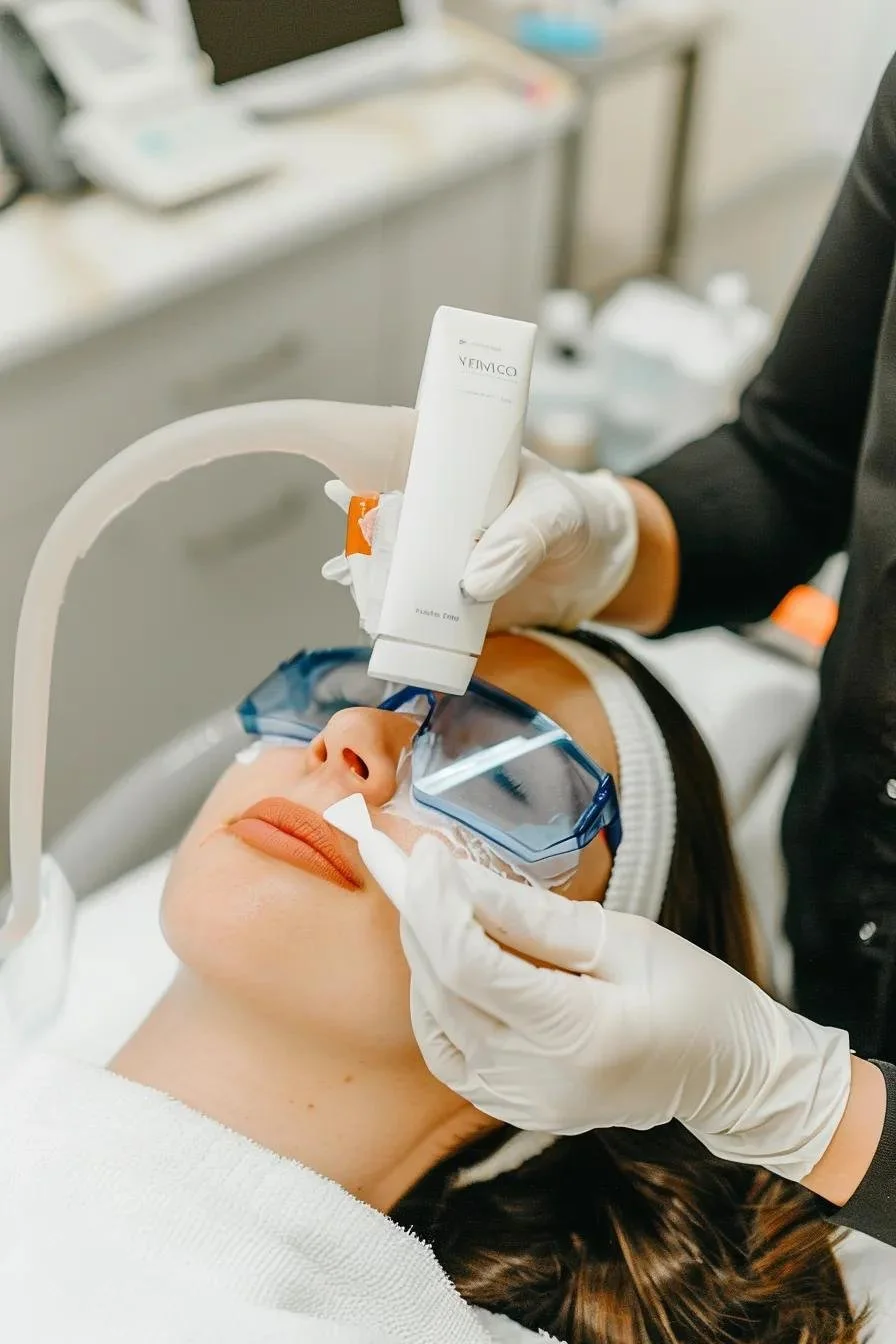
A typical session begins with verification of the treatment area, protective eyewear, and parameter confirmation based on your consultation; clinicians then deliver pulses while using active cooling to protect the skin. Sessions are performed by trained clinicians under medical oversight, and comfort measures—such as topical numbing or built-in cooling systems—are used depending on area and sensitivity. Treatment duration varies by area; small zones can take minutes while larger areas require longer sessions scheduled for convenience. The procedural flow balances speed and safety to deliver predictable hair reduction with minimal downtime for Greenwood Village patients.
How Does Our Advanced Laser Technology Ensure Comfort and Safety?
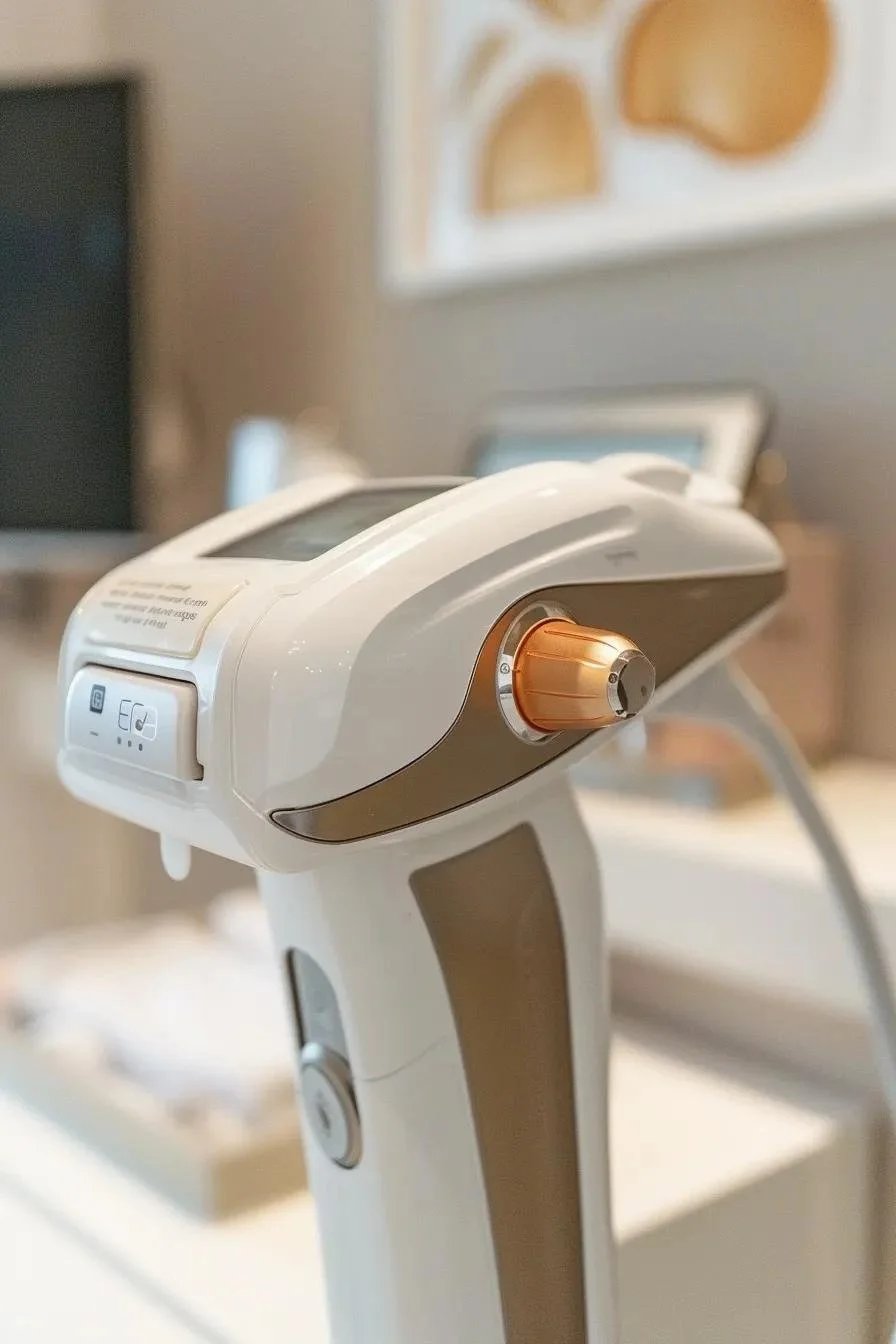
MD Body & Med Spa uses industry-standard, FDA-cleared multi-mode platforms designed to modulate pulse duration and fluence while integrating epidermal cooling to reduce discomfort and epidermal heating. Cooling systems—contact cooling, cryogen sprays, or integrated chilled tips—protect the epidermis while allowing effective follicle heating; this reduces thermal pain signals and lowers post-treatment inflammation. Trained clinicians adjust settings for skin type and hair characteristics and operate under medical direction by Derrick Payne, MD, ensuring protocols align with current safety standards. Compared to older devices, contemporary systems improve candidacy for diverse skin tones and shorten recovery times.
What Is the Typical Sensation and Duration of a Treatment Session?
Most patients describe sensations ranging from mild stinging or snapping, similar to a rubber band, to warmth that subsides quickly; topical numbing can further reduce discomfort for sensitive areas. Session length depends on treatment area: small areas (upper lip, underarms) often take 10–15 minutes, medium areas (bikini, lower legs) 20–40 minutes, and full legs or full-back sessions take longer and may be scheduled separately. Post-treatment skin feels warm and may be mildly red for hours; clinicians typically apply cooling and soothing topical agents before you leave. Planning hydration, comfortable clothing, and a brief recovery window helps patients feel prepared and relaxed.
The in-session process typically follows three practical steps:
Preparation and protection: clinician verifies area and applies protective eyewear and cooling.
Laser delivery: calibrated pulses target follicles with monitored settings.
Post-pulse care: cooling and topical soothing to minimize inflammation.
What Is the Post-Treatment Care and Expected Results Timeline?
Post-treatment care focuses on soothing the skin, protecting it from UV exposure, and monitoring for typical transient reactions; following these steps accelerates healing and optimizes visible reduction. Expect short-term redness, mild swelling, and follicular crusting that usually resolves within days; clinicians will recommend gentle cleansing, broad-spectrum sunscreen, and avoidance of exfoliation for a specified period. Hair shedding often occurs as treated hairs enter telogen and are expelled over 1–3 weeks, while measurable reduction accumulates across sessions spaced 4–8 weeks apart.
Below is a compact timeline table mapping common timeframes and expected skin responses.
TimeframeTypical Skin ResponseRecommended Care0–7 daysRedness, mild swelling, potential follicular bumpsCold compresses, gentle cleanser, avoid heat1–3 weeksHair shedding and “falling out” of treated hairsDo not pick; gentle exfoliation only as advised4–12 weeksGradual reduction in regrowth; schedule next sessionSunscreen, monitor for pigment changes; follow clinician plan
How Should You Care for Your Skin After Laser Hair Removal?
Immediate aftercare includes cooling the area, applying gentle, fragrance-free moisturizers, and using broad-spectrum sunscreen daily to prevent hyperpigmentation; avoid hot baths, saunas, and aggressive exfoliation for at least 48–72 hours. Use lukewarm water and non-irritating cleansers, and suspend retinoid products until your clinician clears you to resume them. If crusting occurs, keep the area clean and let flakes shed naturally while reporting prolonged redness or blistering to your provider. Consistent sun protection is the single most important long-term care step to preserve treatment benefits and minimize pigmentary changes.
When Will You See Hair Shedding and Permanent Reduction?
Hair shedding usually begins 1–3 weeks after treatment as treated hairs enter telogen and are expelled; this is a normal part of the reduction process and not immediate removal. Permanent reduction is defined clinically as a long-term decrease in hair density and thickness, typically achieved after a series of treatments—often four to eight sessions depending on area, hair type, and hormones. Hormonal factors and individual biology mean maintenance touch-ups may be needed annually or as advised. Realistic expectations and adherence to the recommended schedule maximize the likelihood of sustained reduction.
How Much Does Laser Hair Removal Cost in Greenwood Village, CO, and What Financing Options Are Available?
Pricing varies by treatment area, session count, and device used; typical structures include single-session pricing, multi-session packages (commonly 4–8 sessions), and area bundles that lower per-session cost. Local market rates in Greenwood Village depend on clinic expertise and technology; many clinics provide personalized quotes after consultation because candidacy and treatment complexity affect pricing. Financing options like Cherry are available to split costs into manageable payments, improving accessibility for patients seeking comprehensive multi-session packages.
Below are example package types and how financing can assist planning for full-course treatment.
What Are the Typical Pricing Packages and Deals Offered?
Clinics generally offer three common package types: single-session pricing for small maintenance, multi-session packages that include a recommended number of sessions for an area, and bundled area packages that apply to combinations (e.g., underarm + bikini). Example estimates for planning purposes include lower-cost single sessions for small areas, and per-area packages that reduce the cost per session when purchased in bulk; exact pricing is provided during the consult. MD Body & Med Spa provides personalized quotes during consultations so patients receive an accurate plan based on assessed needs rather than blanket estimates.
Package TypeTypical Sessions IncludedPrice Range (Estimate)Small-area package4–6 sessionsEstimate provided in consultMedium-area package6 sessionsEstimate provided in consultLarge-area package6–8 sessionsEstimate provided in consult
How Does Cherry Financing Make Laser Hair Removal More Accessible?
Cherry financing offers point-of-sale payment plans that let patients split the cost of treatments into predictable monthly payments, making multi-session packages more accessible without delaying care. The typical process allows patients to apply at checkout or discuss options during their consultation, and approval depends on Cherry’s eligibility criteria. Financing reduces upfront cost barriers and enables completion of recommended session series, which is important because full-course treatment delivers the best long-term results. Discuss financing during your consult to align a practical payment plan with your clinical treatment schedule.
What Are the Most Common Questions About Laser Hair Removal?
Patients commonly ask about permanence, pain, session count, and safety; clear, concise answers help set expectations and inform decisions. The items below address featured patient questions with practical, evidence-aligned responses that point to next steps such as scheduling a consult or discussing medical histories with a clinician. These concise answers are optimized for clarity and quick reference.
Is laser hair removal permanent?: Laser hair removal leads to permanent hair reduction for many patients, but not absolute permanent hair loss; maintenance touch-ups may be needed over time due to hormonal changes.
Is laser hair removal painful?: Sensation varies by area and individual but is often described as mild snapping or warmth; cooling systems and topical numbing can reduce discomfort.
How many sessions will I need?: Typical courses range from four to eight sessions spaced 4–8 weeks apart, tailored by hair growth cycles and area.
Can all skin types be treated?: Modern devices expand safe treatment to many skin tones, but candidacy assessment is essential to select proper settings.
Is Laser Hair Removal Permanent?
Laser hair removal produces durable reduction in hair density and thickness by injuring follicular structures, but "permanent reduction" is the correct clinical term because individual biology and hormones can cause new growth over time. Factors that influence long-term outcomes include initial hair color and thickness, hormonal status, and adherence to the recommended session schedule. Some patients experience lasting clearance for years, while others require intermittent maintenance sessions. Discussing expectations with a clinician during the initial consultation helps set a realistic plan aligned with your goals.
Is Laser Hair Removal Painful and Are There Side Effects?
Most patients experience transient sensations—mild stinging or warmth—during treatment and short-lived side effects such as redness, swelling, and follicular crusting thereafter; serious complications are uncommon with qualified providers. Pain mitigation strategies include cooling devices, topical anesthetics, and gradual parameter escalation to maintain comfort without sacrificing efficacy. Rare adverse events include blistering or pigment changes, which are mitigated by careful skin-type selection, test spots, and medical oversight. Contact your clinician if you see prolonged redness, blistering, or signs of infection so the team can advise next steps.
Frequently Asked Questions
What Are the Risks and Side Effects of Laser Hair Removal?
While laser hair removal is generally safe, some patients may experience side effects such as redness, swelling, or temporary discomfort in the treated area. These effects usually resolve within a few hours to a few days. Rarely, more serious complications like blistering or changes in skin pigmentation can occur, particularly in individuals with darker skin tones. To minimize risks, it’s essential to choose a qualified provider and follow pre- and post-treatment care instructions. Always discuss any concerns with your clinician during the consultation.
How Long Does Each Laser Hair Removal Session Last?
The duration of a laser hair removal session varies based on the size of the treatment area. Smaller areas, such as the upper lip or underarms, typically take about 10 to 15 minutes, while medium areas like the bikini line or lower legs may require 20 to 40 minutes. Larger areas, such as full legs or backs, can take longer and may be scheduled separately for convenience. Your clinician will provide a more accurate estimate during the consultation based on your specific needs.
Can You Shave Between Laser Hair Removal Sessions?
Yes, you can shave between laser hair removal sessions, and it is often recommended. Shaving helps to keep the hair follicles intact while allowing the laser to target the hair effectively during your next session. However, avoid waxing, plucking, or using depilatory creams, as these methods remove the hair from the follicle, which can hinder the effectiveness of the laser treatment. Always consult your clinician for personalized advice on hair removal practices between sessions.
What Should You Avoid After Laser Hair Removal?
After laser hair removal, it’s crucial to avoid sun exposure, hot baths, saunas, and vigorous exercise for at least 48 to 72 hours. These activities can irritate the treated area and increase the risk of complications. Additionally, refrain from using harsh skincare products, such as exfoliants or retinoids, until your clinician advises you to resume them. Following these guidelines helps ensure optimal healing and enhances the effectiveness of the treatment.
How Do Hormones Affect Laser Hair Removal Results?
Hormonal fluctuations can significantly impact the effectiveness of laser hair removal. Conditions such as polycystic ovary syndrome (PCOS) or hormonal imbalances may lead to increased hair growth, which can affect the results of treatment. While laser hair removal can reduce hair density, some patients may require maintenance sessions over time due to hormonal changes. Discussing your medical history and any hormonal concerns with your clinician during the consultation can help tailor a treatment plan that addresses these factors.
Is There Any Special Aftercare Required for Sensitive Areas?
Yes, sensitive areas such as the bikini line or underarms may require additional aftercare. After treatment, it’s important to apply a gentle, fragrance-free moisturizer and use broad-spectrum sunscreen to protect the skin from UV exposure. Avoid tight clothing that may irritate the area and refrain from activities that cause excessive sweating for a few days. Your clinician may provide specific aftercare instructions tailored to the sensitivity of the treated area to ensure optimal healing and comfort.
Conclusion
Laser hair removal offers a long-term solution for unwanted hair, combining efficiency with minimal downtime for patients in Greenwood Village. Understanding the procedure, preparation, and aftercare enhances the overall experience and results, ensuring satisfaction with the treatment. For those ready to take the next step, scheduling a consultation at MD Body & Med Spa can provide personalized insights and tailored treatment plans. Explore our services today to discover how laser hair removal can transform your grooming routine.