Does Body Contouring Work on Belly Fat or Only Pinchable Fat?
Body contouring can help with some kinds of belly fat, but not every stomach concern is the same. In most cases, non-surgical body contouring works best on soft, localized, pinchable fat just under the skin, not deeper abdominal fullness from visceral fat. The key is figuring out what is creating the shape you want to change before you decide whether body contouring is the right next step.
You can see how targeted fat reduction and contouring are approached on the MD Body & Med Spa body sculpting services page, which outlines treatment options, areas addressed, and how plans are structured.
What is the short answer for abdominal fat?
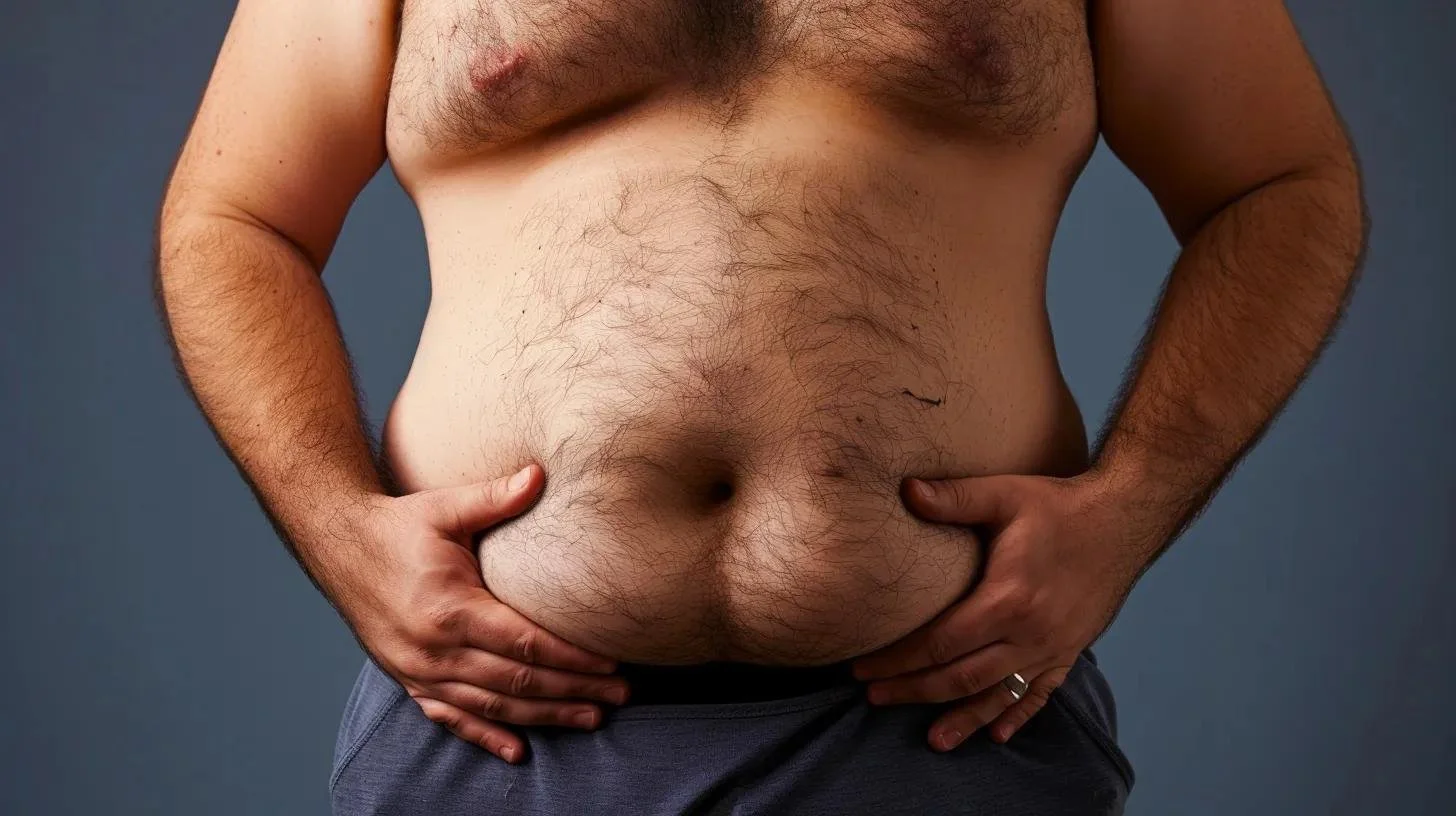
Yes, body contouring can work on belly fat when the belly fat is mainly subcutaneous and pinchable. That is the softer outer layer under the skin that creates a visible bulge you can usually grab between your fingers.
The answer is no when the fullness is mostly visceral fat. Visceral fat sits deeper inside the abdomen around the organs, so it is not the layer that non-surgical body contouring is designed to reach. FDA guidance on cryolipolysis and Harvard Health’s overview of fat freezing both emphasize that the treatment targets localized, pinchable fat and does not reduce visceral fat around internal organs.
What kind of belly fat can non-surgical contouring actually target?
The best match is usually a localized abdominal pocket that feels soft, sits close to the surface, and has stayed stubborn even with reasonable diet and exercise. This is the type of fullness people often notice most in the lower abdomen, upper abdomen, or along the sides of the waist.
Body contouring can also make more sense when the issue is shape rather than total size. If your main frustration is a specific bulge that does not match the rest of your body, non-surgical contouring may be a realistic option. If your main frustration is a generally larger, firmer midsection, the issue may not be the kind of fat these treatments are meant to change.
If your concern is a soft, localized abdominal pocket, our cryo sculpting page explains how abdominal fat freezing works.
How can you tell whether the area is pinchable or deeper?
A simple way to think about it is this: subcutaneous fat is the layer you can usually feel and pinch, while visceral fat sits deeper inside the abdomen. Belly fat often includes both, which is why some people can pinch a surface layer but still feel like their stomach projects more than expected.
Deeper abdominal fullness is more likely to feel firm, rounded, or harder to grab in a meaningful fold. Cleveland Clinic explains that visceral fat wraps around internal organs and that belly fat includes both visceral and subcutaneous fat.
Which next step fits your type of abdominal fullness?
The best next step depends less on the word “belly fat” and more on what is actually creating the contour. That is where most people either choose well or end up disappointed.
| What you notice | What it usually suggests | Best next step | Why this is the better fit |
|---|---|---|---|
| A soft lower-belly roll or side bulge you can pinch | Mostly subcutaneous fat | Non-surgical body contouring consultation | This is the kind of localized fullness body contouring is designed to target |
| A firm, rounded stomach that is hard to pinch | More visceral or deeper abdominal fullness | Focus on overall weight and health habits first | Non-surgical contouring is not designed to reach deep visceral fat |
| A small fat pocket plus mild skin looseness | A mixed contour issue | A fat-reduction plan plus tightening support | Shape and firmness may both need attention |
| Significant hanging skin after major weight change | More skin than fat | A different treatment path, and sometimes a surgical discussion | Fat reduction alone may not create enough visible change |
If you are not sure which lane fits you, our body sculpting overview can help you compare fat reduction and tightening options in one place.
When is abdominal contouring most likely to be worth it?
Abdominal contouring is usually most worth it when the area is clearly localized, your weight is fairly stable, and your goal is shape refinement rather than major weight loss. People tend to feel best about treatment when they are solving a specific contour problem instead of hoping to change everything at once.
This checklist is a practical way to gauge fit before a consultation.
Your weight has been relatively stable.
You are bothered by one or two specific abdominal areas, not your whole body.
You can pinch at least part of the area that bothers you.
Your main goal is contour improvement, not broad weight loss.
You are comfortable with gradual change instead of instant change.
You already have everyday habits you can maintain after treatment.
Significant loose skin is not the main issue, or you understand that a different plan may be more realistic.
Harvard Health notes that the ideal cryolipolysis candidate is already close to an ideal body weight and has stubborn, pinchable areas of fat that are difficult to change with diet and exercise alone.
What do realistic expectations look like for belly contouring?
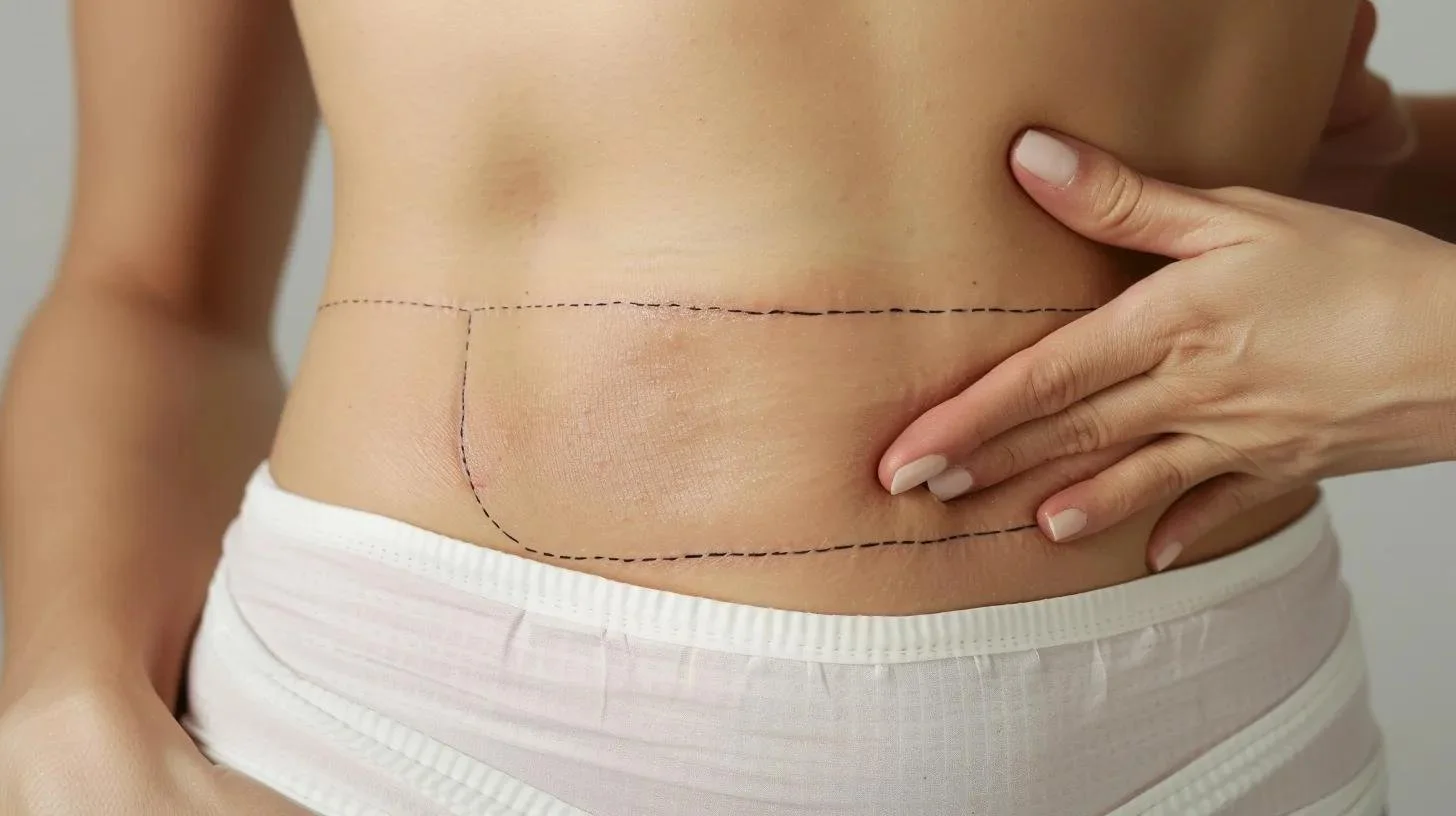
The most realistic expectation is a more refined contour in a specific area, not a full-body transformation and not complete removal of every kind of belly fullness. A good outcome usually means the area looks smoother, flatter, or better balanced in clothing over time.
Changes are also gradual. FDA guidance on cryolipolysis and body contouring notes that results develop over time because the body naturally eliminates the affected fat cells over a period of about two to three months.
Example 1: Someone exercises regularly, stays near a stable weight, and still has a soft lower-abdomen pocket that folds easily when sitting or bending. That is the kind of belly concern body contouring may address well because the issue is localized and pinchable.
Example 2: Someone is mainly bothered by a firm, rounded stomach, carries weight through the whole midsection, and wants the scale and waistline to drop together. That situation usually calls for a broader weight-management plan first because the concern goes beyond one treatable surface bulge.
You can also review real body sculpting before-and-after photos here.
What common mistakes and red flags should you watch for?
The most common mistake is treating all belly fat like it is the same. When deeper abdominal fullness is mistaken for pinchable fat, even a well-chosen treatment can feel disappointing because it was aimed at the wrong layer.
Another mistake is expecting body contouring to replace weight loss. Body contouring can refine shape, but it is not the tool for major total-body change. Cleveland Clinic notes that body contouring does not usually help with weight loss and is used to address specific areas where weight loss is not effective.
Red flags matter too. Be cautious if you are promised major overall weight loss, told every stomach is treated the same way, or pushed toward treatment without any discussion of whether the issue is fat, skin, or both.
Frequently asked questions about body contouring for belly fat
-
Yes, it can work on lower belly fat when the concern is a localized, pinchable fat pocket under the skin. Lower-belly areas are often among the most common body contouring treatment requests.
-
No. Visceral fat sits deeper inside the abdomen around the organs, and non-surgical body contouring is not designed to target that layer.
-
That usually means you may have both subcutaneous and visceral fat contributing to the shape. In that situation, body contouring may help the surface layer, but it may not fully address the deeper fullness you notice.
-
Usually not. It can improve a localized contour issue, but it does not change every factor that affects how the abdomen looks, including deeper fat, skin quality, posture, or muscle separation.
Ready to find out whether your belly fat is the kind body contouring can treat?
If you want a realistic opinion on whether your abdominal fullness is mainly pinchable fat, start with our body sculpting page and request a consultation from there.