What Does Body Contouring Feel Like During and After Treatment?
Most non-surgical body contouring treatments feel more unusual than painful. The exact sensation depends on the technology being used, but the most common descriptions are cold and pulling with cryo sculpting, warmth and tingling with radio frequency, and gentle warmth or vibration with cavitation-based treatments. After treatment, the area may feel numb, firm, tender, warm, pink, or mildly swollen for a period of time, depending on what was treated.
If you want to compare all of our body sculpting options before focusing on treatment feel, start here.
Is body contouring supposed to hurt?
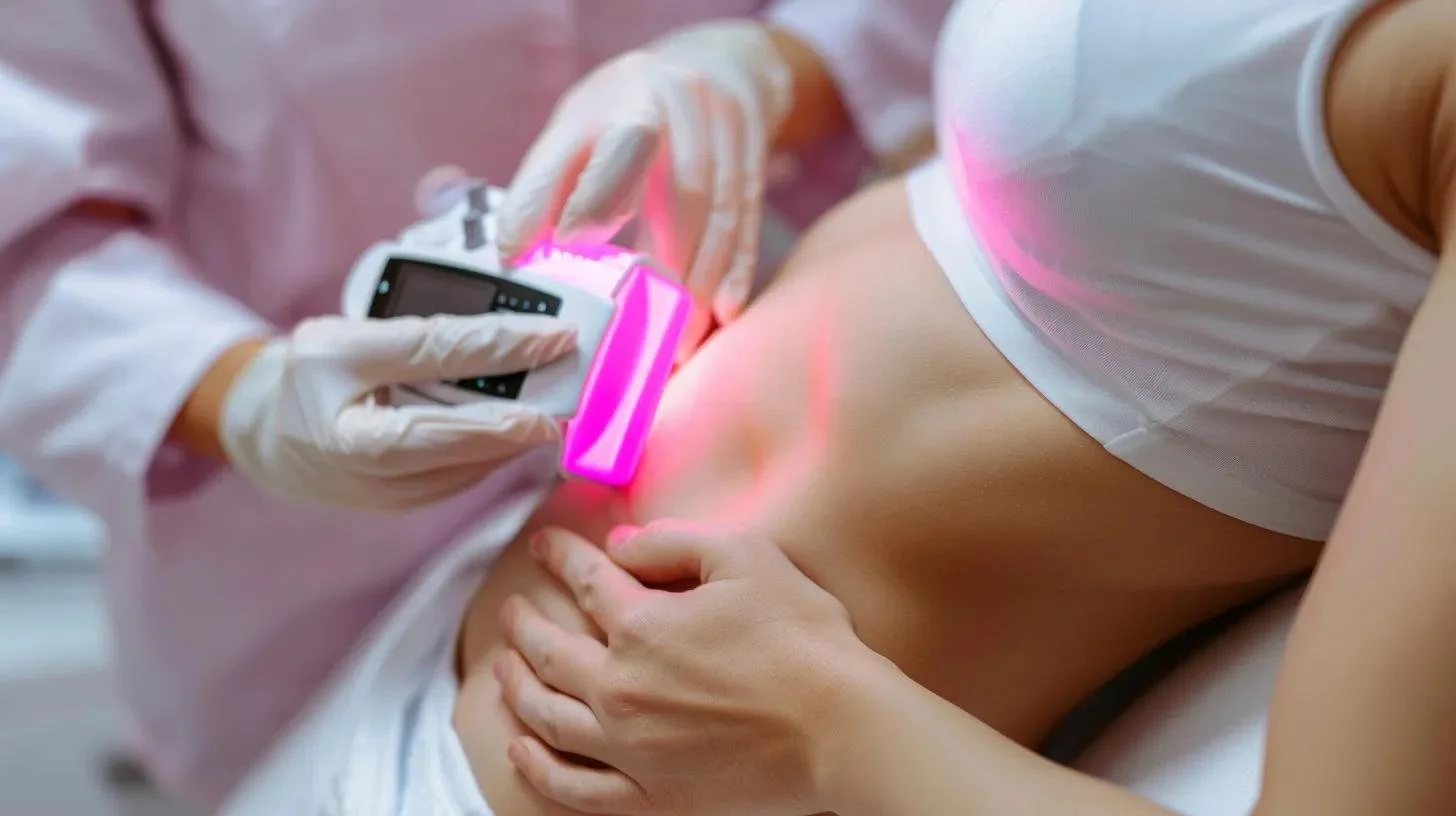
In most cases, non-surgical body contouring is not described as sharp or severe pain. It is usually better described as pressure, cold, warmth, tingling, mild cramping, or temporary tenderness depending on the treatment. That said, “comfortable” does not mean every technology feels the same.
The most helpful mindset is to expect a strange sensation rather than a dramatic one. Cryo sculpting tends to feel the most intense during the first few minutes because of the cold and suction effect. Heat-based treatments tend to feel more like a steady warming or deep massage sensation. If anything starts to feel sharply painful, burning, or harder to tolerate than expected, that is something to speak up about during the appointment.
What does cryo sculpting feel like during treatment?
Cryo sculpting usually starts with the strongest sensation and then becomes easier. During the first few minutes, most people notice pulling or tugging from the applicator along with an intense cold feeling. As the area numbs, the sensation usually settles down and becomes much easier to tolerate.
That is why many people spend the middle of the session reading, checking their phone, listening to something, or just relaxing. The part that often catches people off guard is not the whole session. It is the start.
If localized, pinchable fat is your main concern, you can learn more about our cryo sculpting treatment here.
What do RF and 80K body contouring usually feel like during treatment?
RF and 80K body contouring usually feel less cold and more sensory in a warmth-and-motion way. Radio frequency treatments are often described as warm, with tingling vibrations or mild discomfort if the area is more sensitive. Cavitation-based treatments tend to feel gentler, often with warmth, light vibration, pressure, or a faint buzzing sound.
For many people, these treatments feel easier to settle into because there is no “cold shock” at the beginning. They are often chosen when the goal is contour refinement, mild skin tightening support, or cellulite appearance support rather than one sharply defined fat pocket.
| Treatment type | What it usually feels like during treatment | What it often feels like right after | Best fit for expectations |
|---|---|---|---|
| Cryo sculpting | Pulling or tugging, intense cold, then numbness as the area settles | Firmness, numbness, tenderness, tingling, mild swelling or redness | Best when you are prepared for an odd first few minutes and gradual contour change |
| RF skin tightening | Steady warmth, tingling vibration, mild discomfort if an area is sensitive | Mild redness, warmth, or slight swelling that usually settles quickly | Best when your main concern includes firmness or skin texture support |
| 80K cavitation | Gentle warmth, light vibration or pressure, sometimes a faint buzzing sensation | Mild warmth, temporary pinkness, or little to no visible recovery in many cases | Best when you want a more comfortable-feeling contouring visit and understand that plans are usually built as a series |
| Combined plan | Different sensations depending on the treatment order and goals | Mild temporary after-feelings may overlap | Best when one concern is not enough to explain the area by itself |
If you are not sure which lane fits your goals better, our body sculpting overview can help you compare them in one place.
What does the treated area usually feel like after treatment?
Right after treatment, the area often feels more noticeable than it did during the session. With cryo sculpting, the area may feel numb, firm, cold, tingling, tender, or a little swollen. With RF or cavitation-based contouring, the area may feel warm, mildly pink, a little tender, or slightly puffy for a short time.
These are usually temporary after-feelings, not signs that something went wrong. Many people go back to work, errands, or a regular day quickly after non-surgical body contouring. The main adjustment is usually just being aware of the treated area for a little while, especially if it feels numb, firm, or more sensitive to touch.
How long do those sensations usually last?
The answer depends on the treatment and the person, but the short version is that warmth and redness usually fade quickly while numbness or altered sensation can last longer. With RF, any mild redness or swelling often settles within a day. With cryo sculpting, numbness, tingling, firmness, or tenderness can hang around longer than people expect, even when everything is still progressing normally.
That timing matters because some people assume lingering numbness means something is wrong when it may simply be part of the normal recovery pattern. The better question is not whether you feel anything afterward. It is whether the sensation is gradually settling rather than escalating.
What can you do before your appointment to make treatment feel easier?
A little preparation usually makes the experience less stressful and more predictable.
Ask which treatment is planned and what the first few minutes usually feel like.
Tell us about cold sensitivity, implants, metal under the skin, tattoos in the treatment area, or any skin irritation before treatment starts.
Wear clothing that makes the treatment area easy to access and easy to cover again afterward.
Do not judge your comfort by someone else’s story online. The area treated and the technology both matter.
Expect a weird sensation before you expect a painful one.
Let us know right away if heat feels too intense or if anything feels sharply painful.
Plan your day around a normal routine, not a major recovery day, unless we tell you otherwise.
What sensations are normal, and what counts as a red flag?
Mild redness, warmth, swelling, tenderness, numbness, tingling, or firmness are common short-term sensations after non-surgical body contouring. What should not be brushed off is a sensation that feels clearly out of proportion, gets worse instead of better, or looks unusual in a way your treatment team did not prepare you for.
Red flags depend on the treatment. A burning sensation during radio frequency treatment should be reported right away. Severe pain, blistering, or unusual skin-color changes after body contouring should not be ignored. After cryo sculpting, a firm, growing bulge that develops weeks or months later is not a normal “delayed result” and should be evaluated promptly.
What does this feel like in real life?
Real expectations are usually easier to picture through examples than abstract descriptions.
Example 1: Someone treats a lower-abdomen pocket with cryo sculpting. The first several minutes feel intensely cold and a little tuggy, then the area goes mostly numb and the rest of the session is much easier than expected. Afterward, the skin feels firm and weirdly asleep for a while, then more tender later that day.
Example 2: Someone does a radio frequency contouring session for a softer thigh area with mild laxity. During treatment, the area feels steadily warm with a little vibration, more like a focused heat treatment than a fat-freezing session. Afterward, the skin looks a bit pink and feels warm, but normal activities are not interrupted.
If you want to see the kinds of body sculpting changes these treatments are designed to support, you can review before-and-after photos here.
Frequently asked questions about what body contouring feels like
-
For most people, it feels more strange than painful. The sensation depends on the treatment, but it is usually described as cold, warm, tingly, mildly crampy, or pressure-based rather than sharply painful.
-
Usually, it is the beginning. The first few minutes of pulling and intense cold tend to feel the strongest before the area settles into numbness.
-
It usually feels warm, and some people notice tingling vibrations or mild discomfort. It should not feel like an uncontrolled burn.
-
Yes, especially after cryo sculpting. Temporary numbness or altered sensation can last longer than redness or swelling.
-
In many cases, yes. Non-surgical body contouring is usually chosen in part because recovery is much easier than surgery.
Ready to find the right body contouring treatment for your comfort level and goals?
If you want a realistic explanation of what your treatment should feel like during and after the visit, start with our body sculpting overview here.