Fat Freezing Side Effects: What’s Normal and When Should You Call the Office?
Fat freezing usually comes with temporary, localized side effects, and most of them do not mean anything is wrong. The harder part is knowing the difference between expected tenderness or numbness and the kind of symptom that deserves a call instead of a wait-and-see approach. This guide stays focused on after-effects and warning signs so you can judge your recovery more clearly.
If you are still comparing treatment paths before focusing on cryo-specific aftercare, start with our body sculpting overview here.

Which fat freezing side effects are common and temporary?
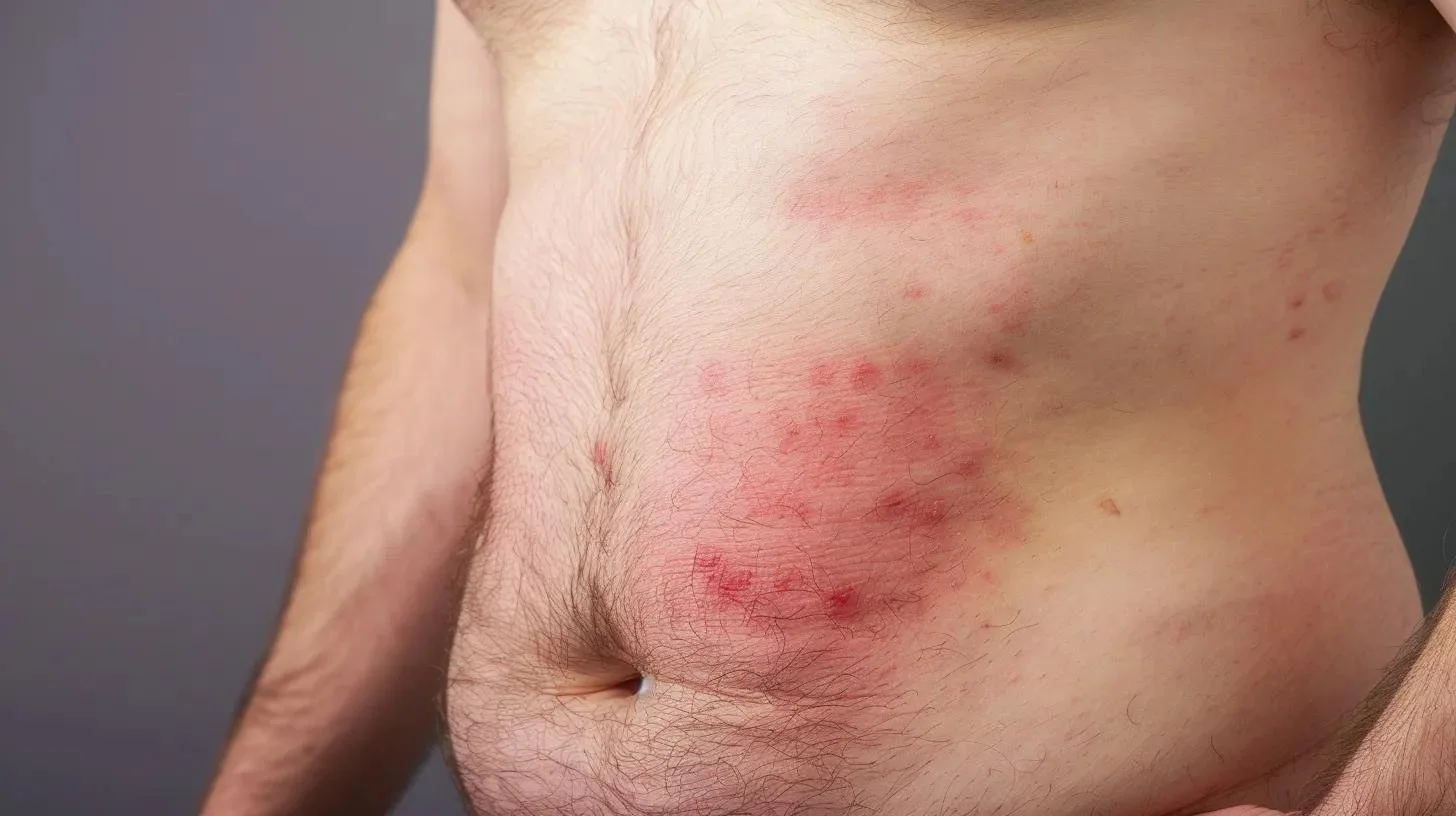
The most common fat freezing side effects are temporary changes in the treated area itself. That usually means redness, swelling, bruising, tenderness, tingling, numbness, firmness, itching, cramping, or skin sensitivity in and around the area that was treated.
Those effects are usually expected because the treatment creates a controlled response in the surface fat layer. In many cases, the area can look or feel more noticeable before it looks better, which is why it helps to expect a recovery pattern instead of instant smoothness.
Cleveland Clinic guidance on fat freezing explains that short-term effects such as redness, swelling, bruising, tingling, and numbness are common and usually resolve within days to a few weeks after treatment.
If your main concern is still whether fat freezing is the right fit for your goals, you can learn more about our cryo sculpting treatment here.
Which side effects are usually normal, and which ones mean you should call us?
The fastest way to stay calm after treatment is to sort symptoms into the right bucket. Some side effects are common and temporary. Others deserve a prompt call because they may need guidance, closer follow-up, or a medical evaluation.
| Symptom | Often normal for a short time? | When to call us | Why it matters |
|---|---|---|---|
| Mild redness, swelling, or bruising | Usually yes | Call if it is getting significantly worse instead of gradually improving | These are common early effects, but worsening instead of settling deserves a review |
| Tenderness, aching, tingling, or numbness | Usually yes | Call if it is severe, escalating, or lasting longer than expected with no improvement | Sensory changes can happen, but the pattern should trend toward better, not worse |
| Firmness or mild lumpiness in the treated area | Often yes | Call if the area becomes increasingly hard, sharply painful, or keeps enlarging | Some firmness is expected, but a growing or very hard area should be assessed |
| Itching or skin sensitivity | Often yes | Call if the skin looks damaged or the discomfort becomes hard to tolerate | Mild nerve-related sensations can happen as feeling changes, but skin injury should not be ignored |
| Blistering, burn-like changes, or unusual skin color changes | No | Call immediately and seek urgent medical care if severe | These are not “normal soreness” symptoms |
| A firm, well-defined bulge that develops weeks to months later | No | Call promptly | This can be a warning sign of Paradoxical Adipose Hyperplasia rather than normal swelling |
How long should common side effects usually last?
Most common fat freezing side effects settle in stages, not all at once. Redness and surface swelling often calm down first. Bruising, tenderness, firmness, or numbness can stay noticeable longer.
That does not mean every symptom follows the same timeline. Some people feel mostly normal within days, while others notice lingering numbness or sensitivity for several weeks. What matters most is the direction: normal side effects usually stabilize and slowly improve instead of intensifying.
The official CoolSculpting FAQ says typical side effects generally resolve within days or weeks, while sensory changes such as tingling, itching, skin sensitivity, and numbness can persist for several weeks. The same source notes that paradoxical adipose hyperplasia may develop two to five months after treatment and does not resolve on its own.
When should you call the office promptly?
You should call the office promptly if your side effects are outside the “temporary and gradually improving” pattern. In practical terms, that means the symptom is stronger than you expected, it is worsening instead of settling, or it looks unusual enough that you would rather ask than guess.
Use this checklist if you are deciding whether to reach out.
Pain is getting worse instead of slowly improving.
Swelling keeps increasing instead of leveling off.
The skin looks blistered, burned, or unusually dark, pale, or mottled.
Numbness or tingling is paired with worsening pain or a more concerning change in the skin.
The treated area is becoming increasingly hard, very tender, or visibly distorted.
A firm, well-defined bulge appears weeks or months later instead of the area gradually slimming.
The treatment was done near a known hernia, weak abdominal area, or old scar and you now feel a painful bulge or unusual pressure.
What should make you seek urgent medical care instead of waiting for a callback?
Urgent medical care makes more sense when the issue sounds like a possible injury rather than a normal recovery effect. Severe pain, blistering, burn-like skin changes, major skin color changes, or a painful bulge in a known weak abdominal area should not be left to “see what happens overnight.”
FDA guidance on cryolipolysis and body contouring devices explains that while most side effects are temporary—such as redness, swelling, or bruising—there are also less common risks, including prolonged numbness, nodules, severe cold injury, paradoxical adipose hyperplasia, and hernia in vulnerable areas.
If you ever feel that a symptom is clearly out of proportion, getting rapidly worse, or affecting more than comfort alone, it is better to escalate early.
What common mistakes cause panic or delayed follow-up?
The most common mistake is assuming every symptom means something went wrong. Temporary redness, tenderness, firmness, and numbness can all be part of a normal recovery pattern. When you expect zero after-effects, normal recovery can feel more alarming than it is.
The second common mistake is the opposite one: ignoring a symptom that is clearly not behaving like a short-term recovery effect. A hard, enlarging bulge that appears weeks or months later should not be brushed off as “late swelling.” Severe pain, blistering, or unusual skin-color changes should not be treated like routine soreness.
A third mistake is comparing your recovery to someone else’s treatment area, device, or body type. One person’s abdomen timeline is not the same as someone else’s chin or flank recovery.
What does this look like in real life?
Real examples usually make the line between “normal” and “call us” much easier to understand.
Example 1: Someone treats the lower abdomen and notices redness, mild swelling, tenderness, and numbness the same day. The area feels firm for a while, then gradually becomes less noticeable over the next couple of weeks. That pattern is usually consistent with expected recovery, even if it feels strange.
Example 2: Someone treats the flanks and feels fine at first, but two months later notices a firm, rectangular bulge in the treated area that seems more visible rather than less. That is not the same as early swelling, and it deserves a prompt call so the area can be evaluated.
How can you make fat freezing recovery easier on yourself?
The best post-treatment plan is usually simple. Keep the area clean, follow the aftercare guidance we gave you, avoid overchecking the area every few hours, and judge the recovery trend over time instead of hour by hour.
It also helps to take baseline photos before treatment and compare only in similar lighting, clothing, and angles later on. That will not prevent side effects, but it will make normal recovery easier to interpret.
Frequently asked questions about fat freezing side effects
-
Yes, temporary numbness can be normal after fat freezing. What matters is whether it slowly improves instead of getting worse or becoming part of a bigger concern such as severe pain or skin injury.
-
Mild firmness can be normal for a period after treatment. Call us if the area becomes increasingly hard, sharply painful, or visibly enlarged instead of gradually settling.
-
Worry less about the fact that swelling exists and more about the pattern. Mild swelling is common early on. Swelling that keeps increasing, becomes severe, or comes with blistering, unusual color change, or worsening pain should be reviewed.
-
It usually looks more like a firm, well-defined, growing bulge in the treated area that appears weeks or months later, not like the softer early swelling that settles after treatment.
-
If the symptom is mild and already improving, that may be reasonable. If it is worsening, looks unusual, or feels severe enough to worry you, it is better to call sooner.
Ready to talk through whether your recovery pattern looks normal?
If you want a realistic review of your symptoms or you are still deciding whether fat freezing is the right fit for your goals, start with our body sculpting overview here.