
Non-Surgical Body Sculpting in Greenwood Village: Cryo Sculpting vs RF Cavitation
Sculpt Your Body: Cryo vs. RF
Non-surgical body sculpting refers to targeted, minimally invasive procedures that reduce localized fat and improve body contours without surgery; prominent examples include Cryo Sculpting (cryolipolysis/CoolSculpting) and RF Cavitation (ultrasonic cavitation with radiofrequency), both designed to deliver measurable contouring with minimal downtime. This guide explains how each technology works, what results patients in Greenwood Village can expect, and how to choose between approaches based on goals like fat reduction versus skin tightening. Many people face stubborn pockets of fat that resist diet and exercise, and understanding mechanisms—freezing fat cells to trigger permanent removal versus mechanical and thermal disruption that also stimulates collagen—clarifies realistic expectations. The article maps mechanisms, candidacy criteria, session counts, safety considerations, and timelines, then compares Cryo Sculpting and RF Cavitation side-by-side using clear EAV tables and practical lists to support decision-making. After a neutral clinical comparison, the guide briefly explains how MD Body & Med Spa approaches personalized plans and next steps for those ready to explore treatments in Greenwood Village.
What Is Non-Surgical Body Sculpting and How Does It Work in Greenwood Village?
Non-surgical body sculpting is a set of procedures that selectively target fat cells or stimulate tissue remodeling to change body shape without incisions, relying on energy-based devices, controlled cooling, or mechanical disruption. These methods work by damaging adipocytes or stimulating collagen production so the body gradually clears treated fat or firms skin, delivering contour changes without general anesthesia. Local patients in Greenwood Village seek these options to address localized pockets—abdomen, flanks, thighs, chin—that do not respond to lifestyle measures, preferring lower-risk alternatives to liposuction. Understanding the main modalities helps patients identify which treatment aligns with their goals, which we explore next by introducing Cryo Sculpting and RF Cavitation. The following subsection summarizes each technique at a glance and sets expectations for deeper sections.
What Are the Main Techniques: Cryo Sculpting and RF Cavitation?
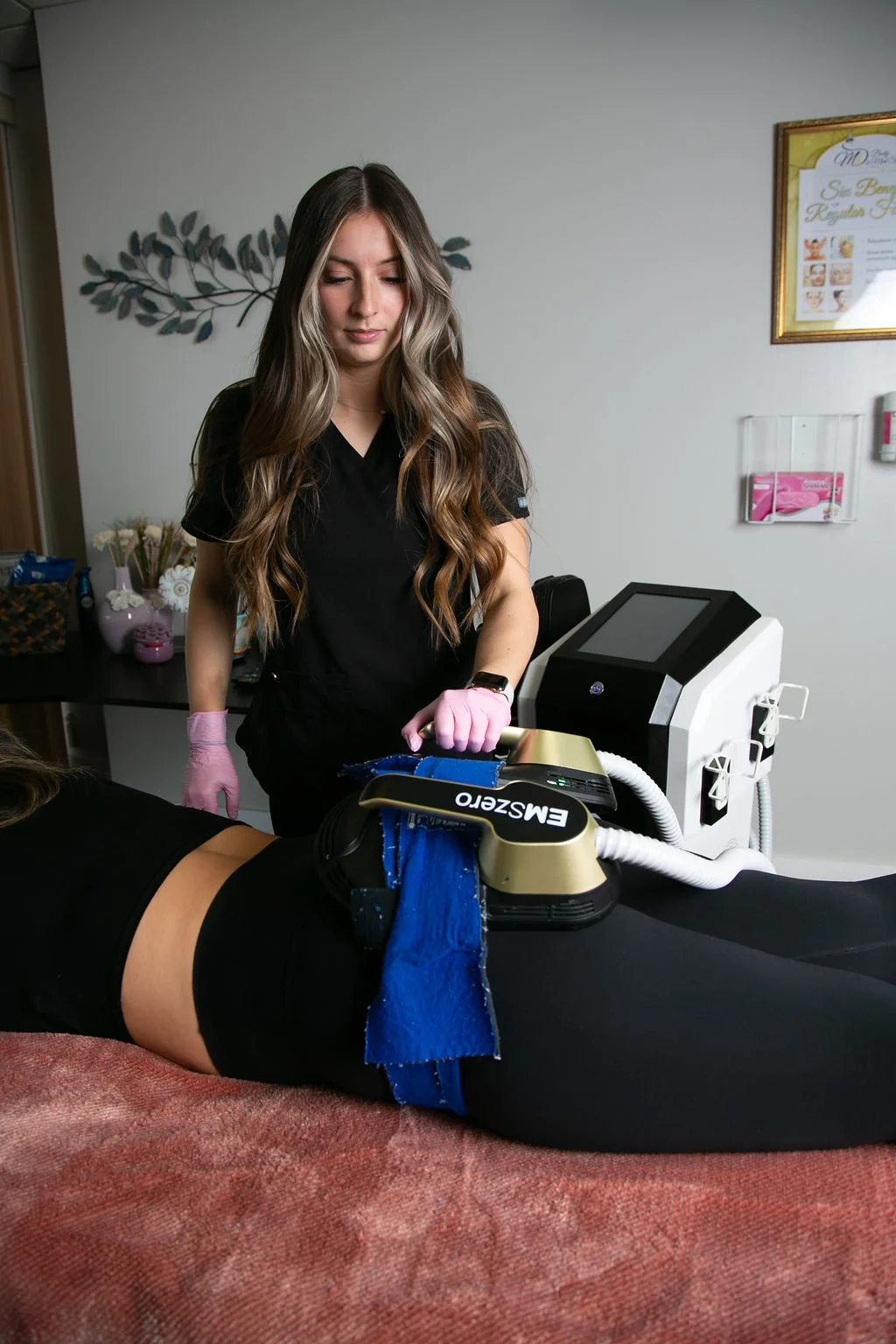
Cryo Sculpting (cryolipolysis) freezes subcutaneous fat using controlled cooling applied with treatment applicators, triggering adipocyte crystallization and eventual removal by the body’s immune system. RF Cavitation combines ultrasonic cavitation’s mechanical disruption of fat cells with radiofrequency’s heat-driven collagen stimulation, producing both volume reduction and skin tightening in treated zones. Both approaches are non-surgical and target localized fat pockets, but Cryo Sculpting most reliably reduces fatty bulges while RF Cavitation adds a meaningful tightening effect where mild laxity exists. This contrast—pure fat cell apoptosis versus combined mechanical and thermal remodeling—guides which modality is chosen for specific patient goals in clinical practice. The next subsection outlines candidacy criteria so readers can gauge whether non-invasive contouring is an appropriate option.
Who Is an Ideal Candidate for Non-Invasive Body Contouring?
An ideal candidate has persistent, localized fat deposits, is near a healthy weight, and has reasonable skin elasticity; these factors optimize visible contour change without surgery. Patients with moderate skin laxity may benefit more from RF Cavitation because it encourages collagen remodeling, while those with tight skin and distinct fat pockets often see strong results with Cryo Sculpting. Individuals with higher BMI, diffuse adiposity, or significant skin excess should consult about surgical alternatives, as non-surgical methods are intended for contouring rather than large-volume reduction. A medical consultation determines suitability by reviewing medical history, target areas, and realistic timelines, and this personalized assessment naturally leads into the technical details of each treatment modality.
How Does Cryo Sculpting Work for Fat Freezing in Greenwood Village?
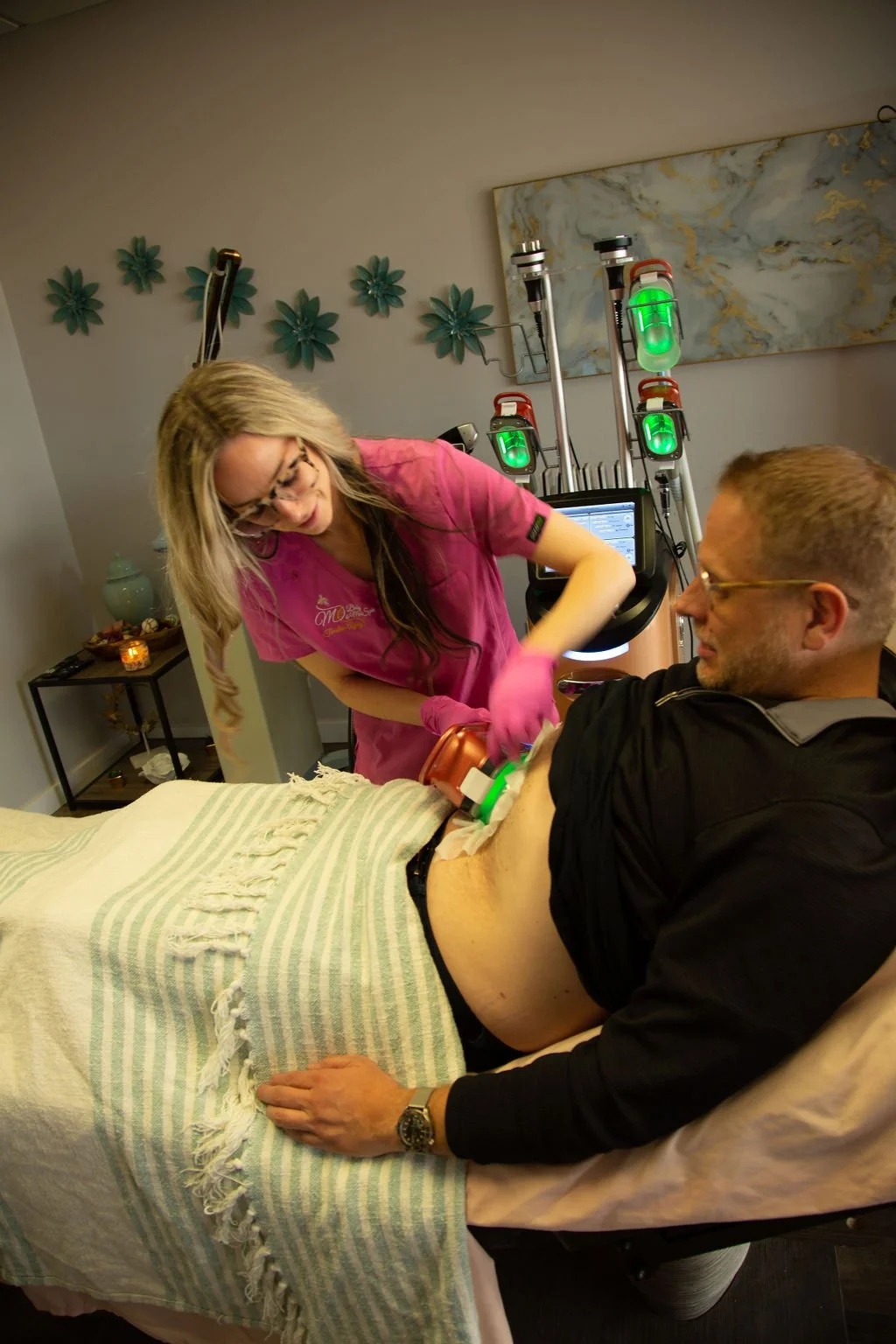
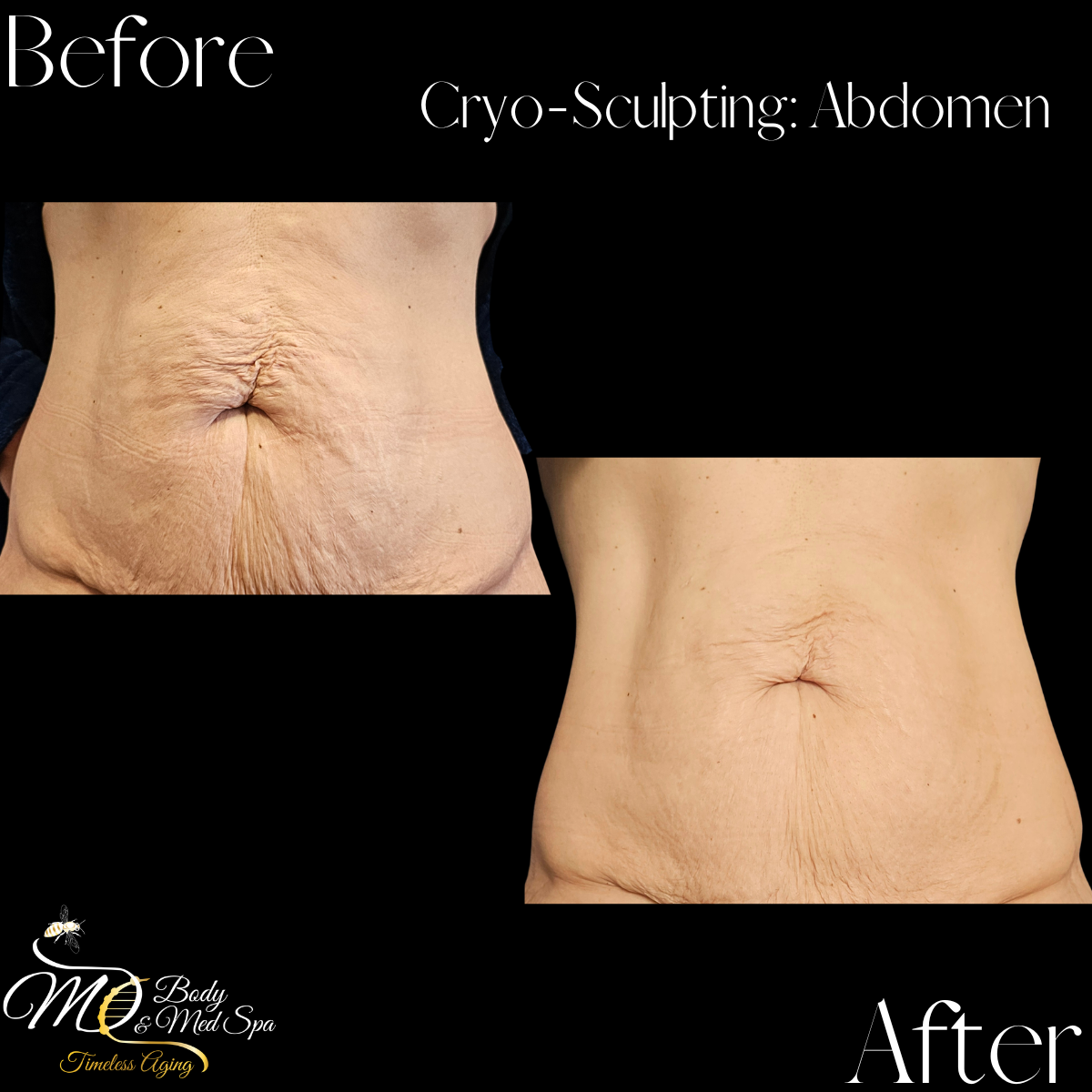
Cryo Sculpting uses controlled cooling to induce selective fat cell injury while preserving surrounding tissues, delivering permanent adipocyte reduction over weeks to months and providing targeted contouring with minimal downtime. During a session, treatment applicators are positioned on the target area and deliver calibrated cold to crystallize fat cells; over subsequent weeks macrophages clear the damaged cells, gradually reducing thickness in the treated zone. Typical clinical expectations include noticeable change after 4–8 weeks, with optimal results often appearing by 12 weeks; some patients require one to three sessions depending on the area and desired outcome. Post-procedure sensations can include temporary numbness, tingling, or mild soreness that resolves, and routine activity is typically resumed immediately. The mechanism and outcomes described here make cryolipolysis a strong option for localized stubborn fat that resists conventional measures.
What Is the Mechanism Behind Cryo Sculpting?
Cryo Sculpting’s mechanism centers on controlled cooling that selectively crystallizes lipid-rich adipocytes because fat cells are more susceptible to cold injury than surrounding structures like skin or nerves. This targeted destruction initiates a localized inflammatory cleanup where immune cells—principally macrophages—transport cellular debris through lymphatic channels, reducing adipocyte volume in the treated zone. The process is gradual: early cellular changes occur within days, measurable volume loss appears in weeks, and full contouring effect often stabilizes over two to three months. Because fat cells are permanently removed rather than simply displaced, treated areas can show lasting contour improvement provided body weight is maintained. Understanding this biological timeline helps patients set realistic expectations about when results will appear and why multiple sessions can sometimes enhance outcomes.
What Are the Benefits and Expected Results of Cryo Sculpting?
Cryo Sculpting offers several advantages for patients seeking non-surgical fat reduction, including minimal downtime, predictable contouring of isolated bulges, and long-term reduction of adipocyte number in treated regions. Typical outcome ranges reported by clinical studies and practice experience show measurable thickness reductions per treatment cycle, but results vary by individual anatomy and treatment intensity. Cryolipolysis is best applied to localized pockets—lower abdomen, flanks, inner/outer thighs, and submental area—where applicator fit and placement can maximize effect. Limitations include reduced effectiveness for diffuse fat and limited skin tightening compared with heat-based methods, so combination approaches are sometimes recommended to address both volume and laxity. After reviewing cryo mechanics, the next section explains how RF Cavitation uses thermal and mechanical energy to produce complementary outcomes.
Body Location TreatedMechanismExpected Outcome per SessionAbdomenControlled cooling of adipocytesGradual reduction in fat layer thickness over 6–12 weeksFlanks (love handles)Localized adipocyte crystallizationNoticeable contour refinement after 1–2 sessionsSubmental (double chin)Small-area applicator cryolipolysisMeasurable decrease in submental fullness with possible repeat treatments
What Is RF Cavitation and How Does It Enhance Body Contouring in Greenwood Village?
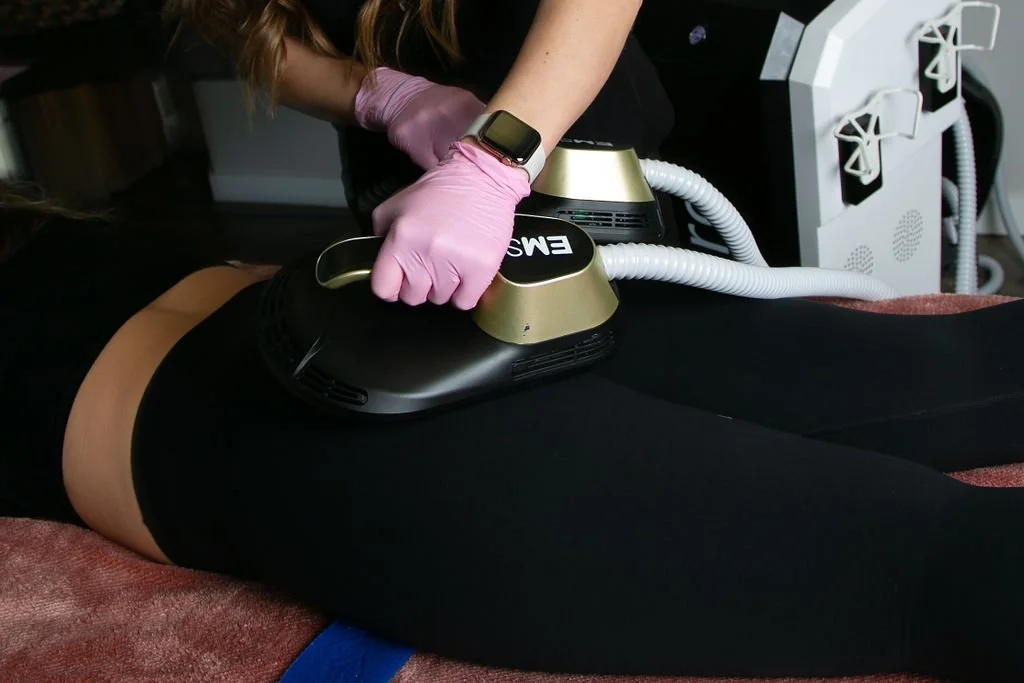
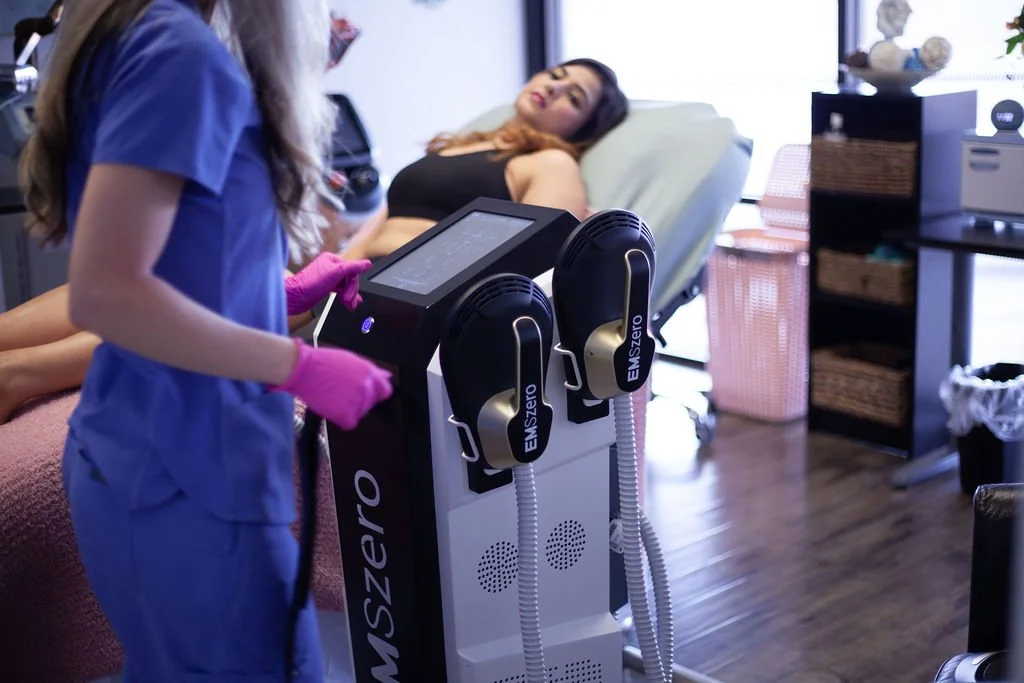
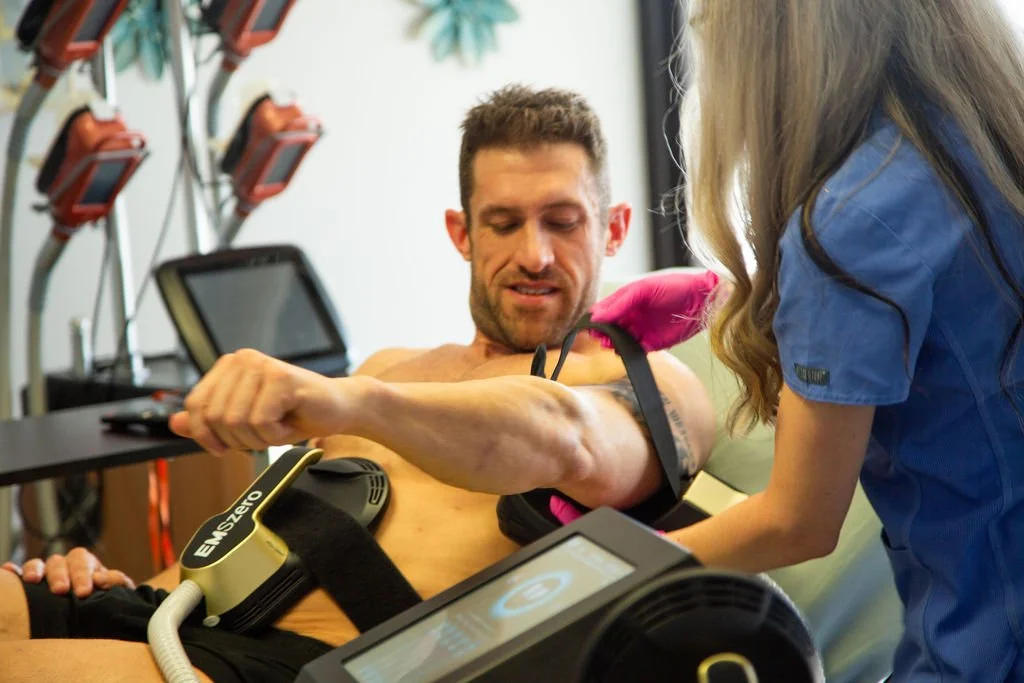
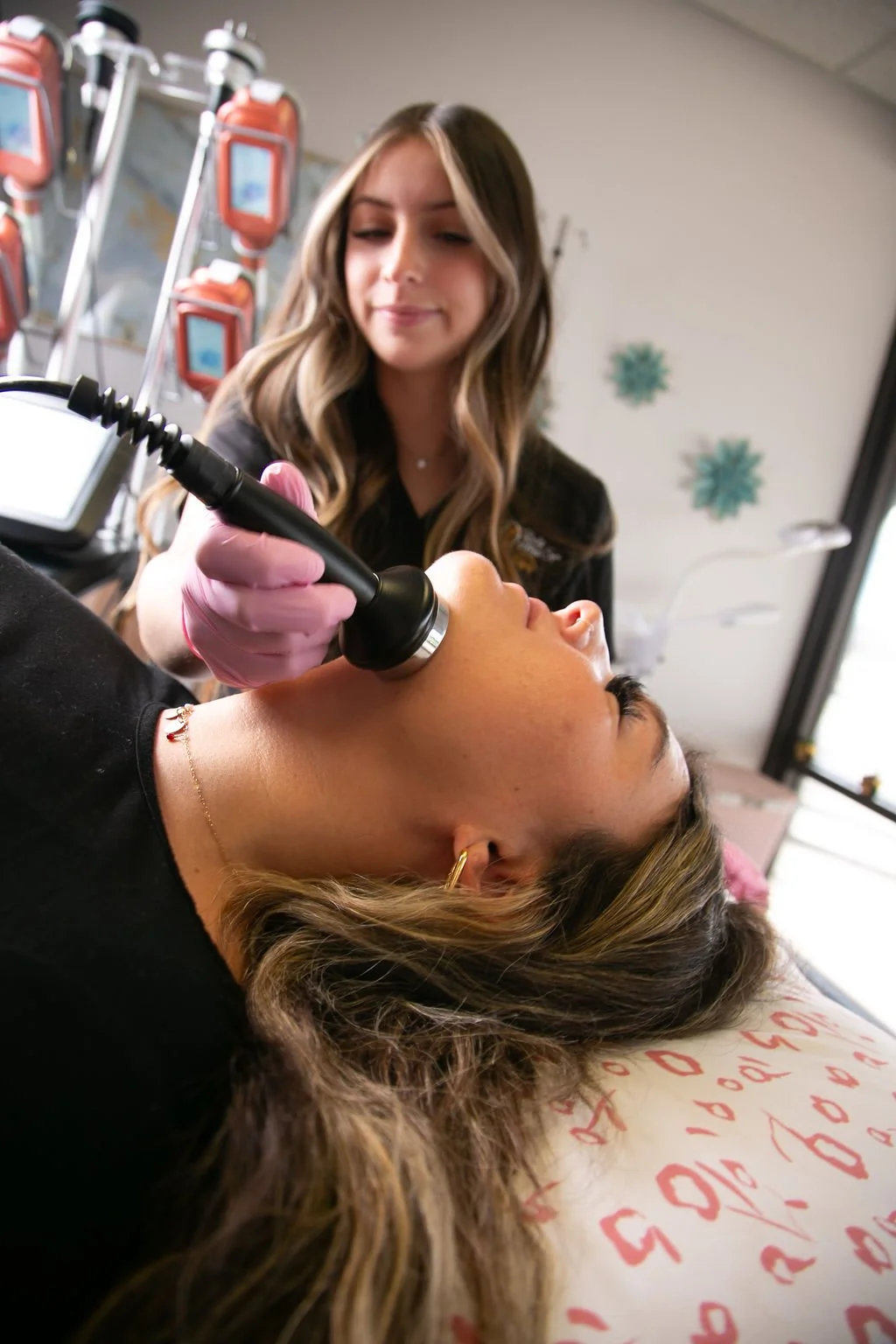
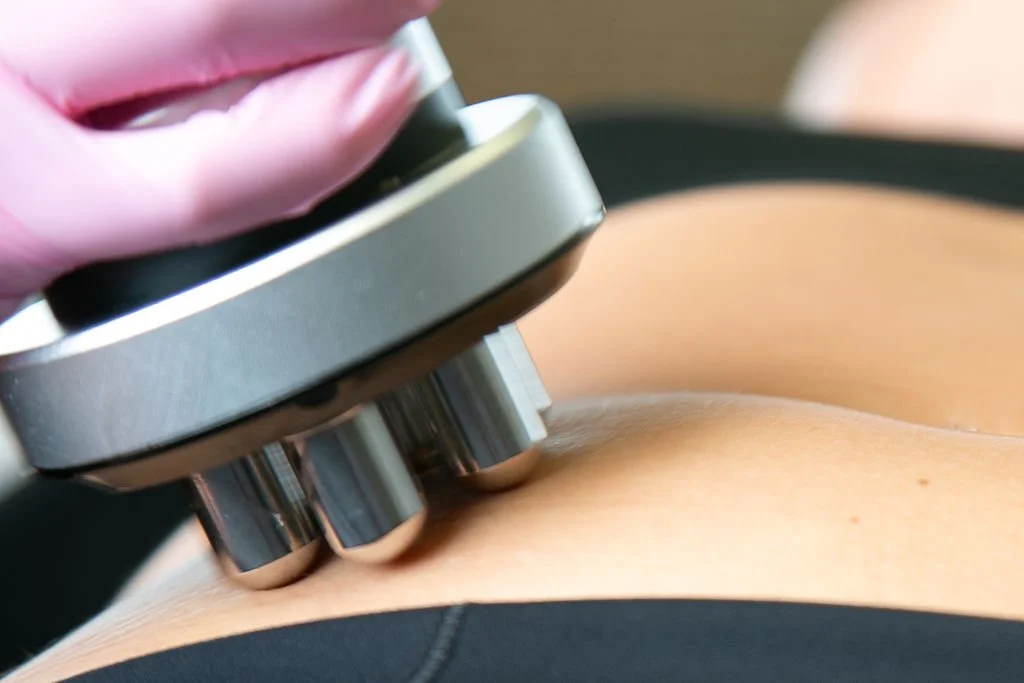
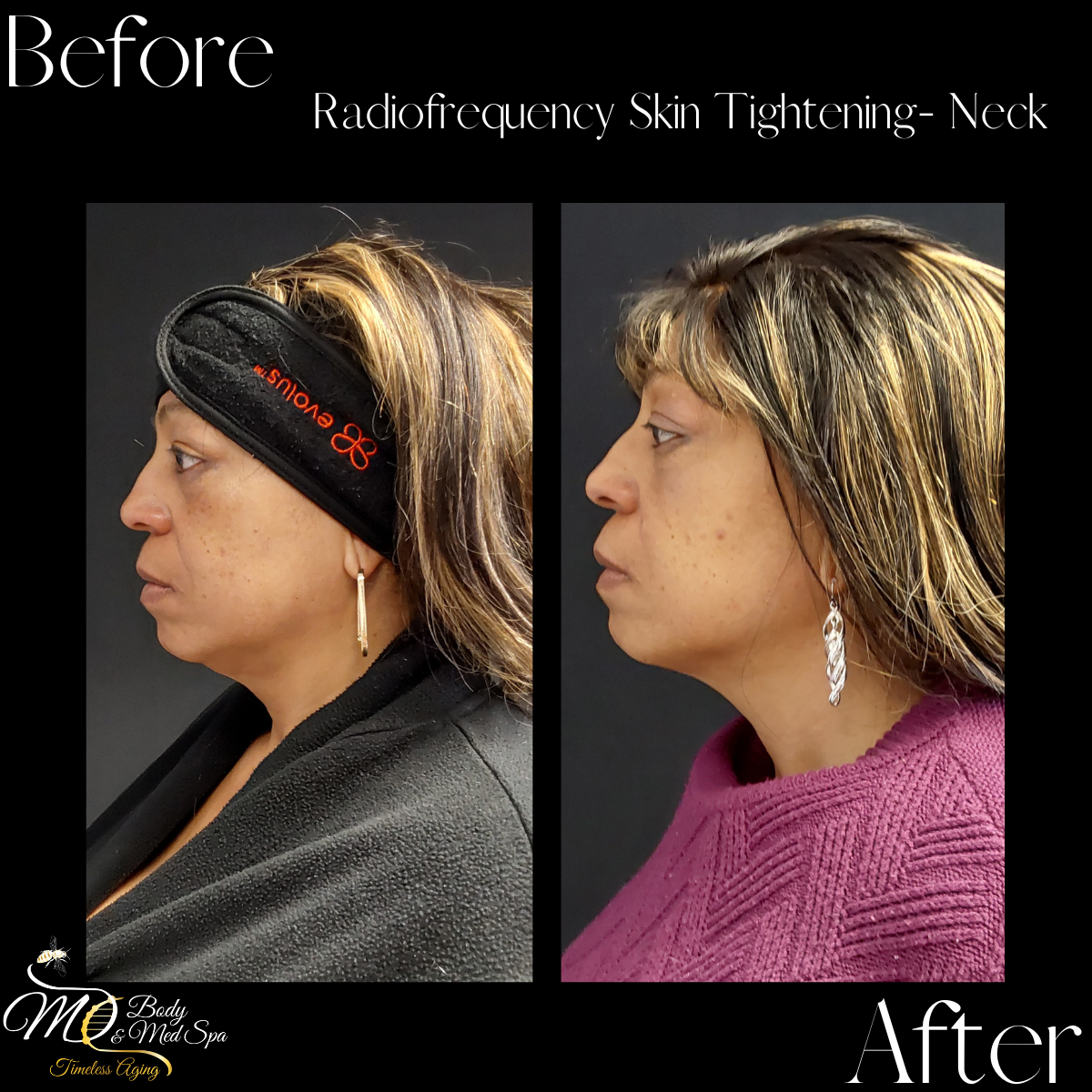
RF Cavitation describes approaches that use ultrasonic cavitation to mechanically disrupt adipocytes combined with radiofrequency energy to heat dermal and subcutaneous tissues, creating both fat reduction and collagen-driven skin tightening. The dual-action mechanism delivers mechanical shear forces that weaken fat cell membranes while RF-induced thermal stimulation prompts fibroblasts to remodel collagen and elastin, improving tone and reducing mild laxity. Treatment plans typically involve a series of sessions scheduled weekly or biweekly, and many patients notice gradual contouring plus firmer skin within weeks of treatment initiation. RF Cavitation is especially appropriate when patients want a balance of volume reduction and skin quality improvement, bridging the gap between fat-targeting and skin-tightening goals. The next subsection unpacks the two mechanisms—ultrasonic cavitation and RF heating—and how they interact.
How Does RF Cavitation Use Radiofrequency and Ultrasound for Fat Reduction and Skin Tightening?
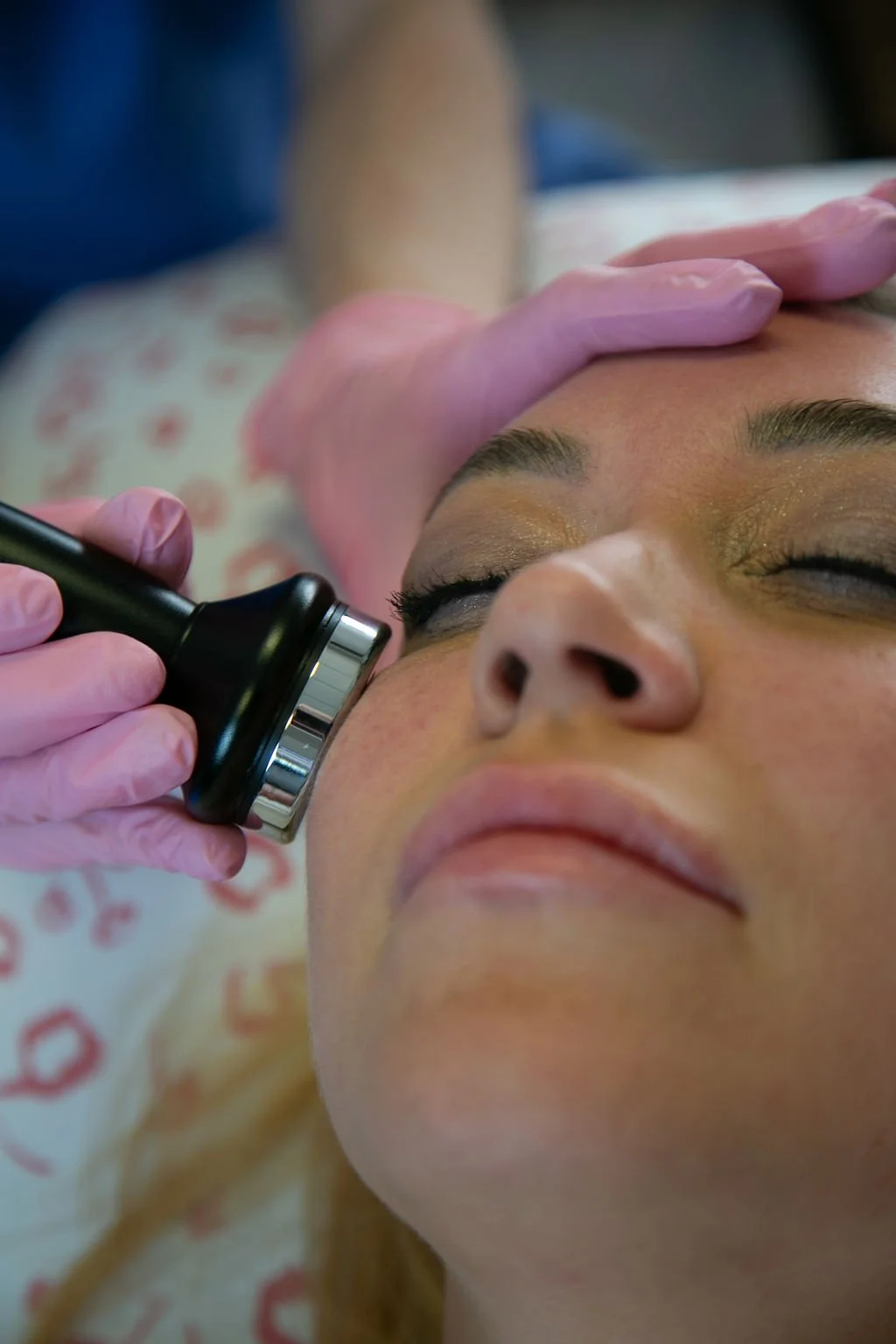
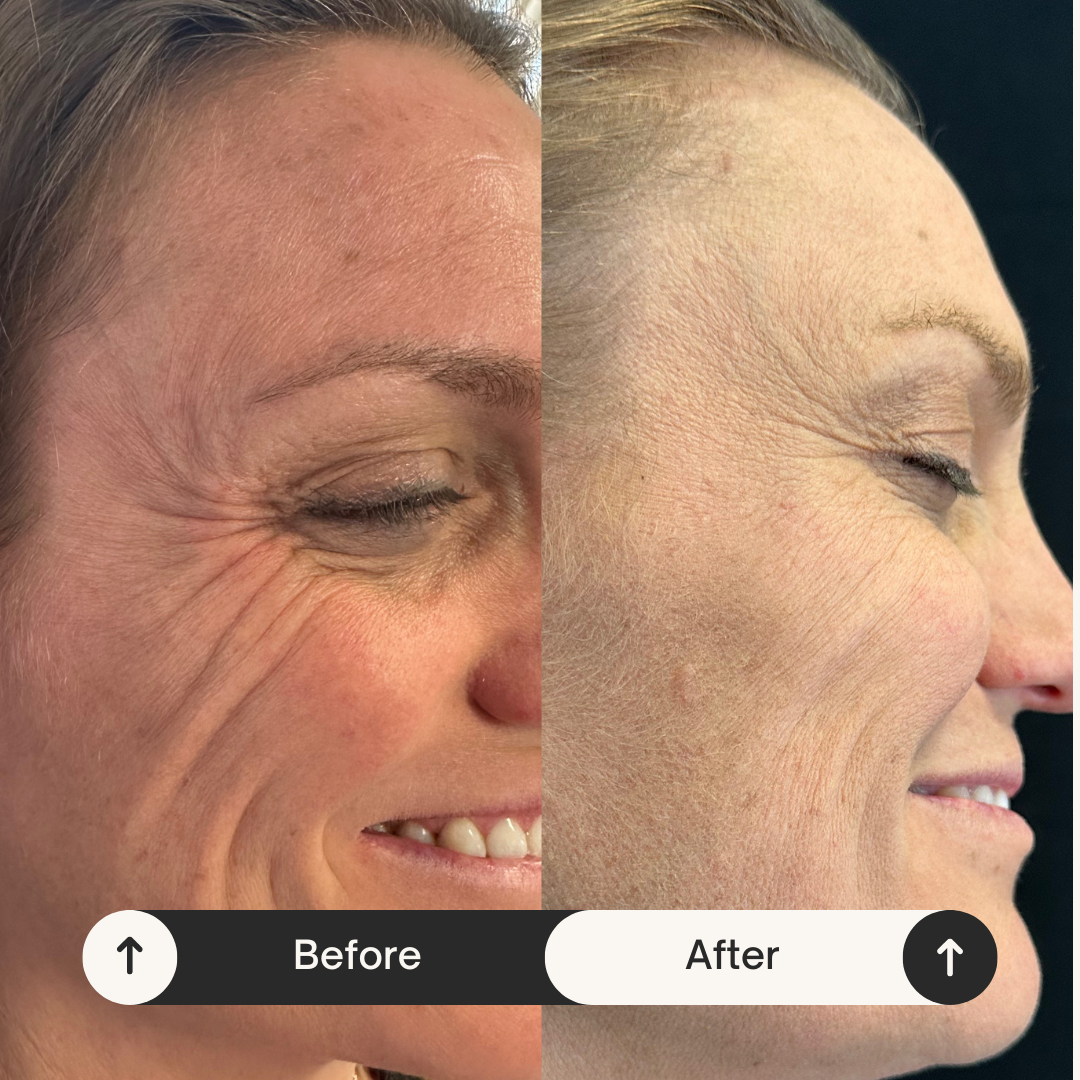
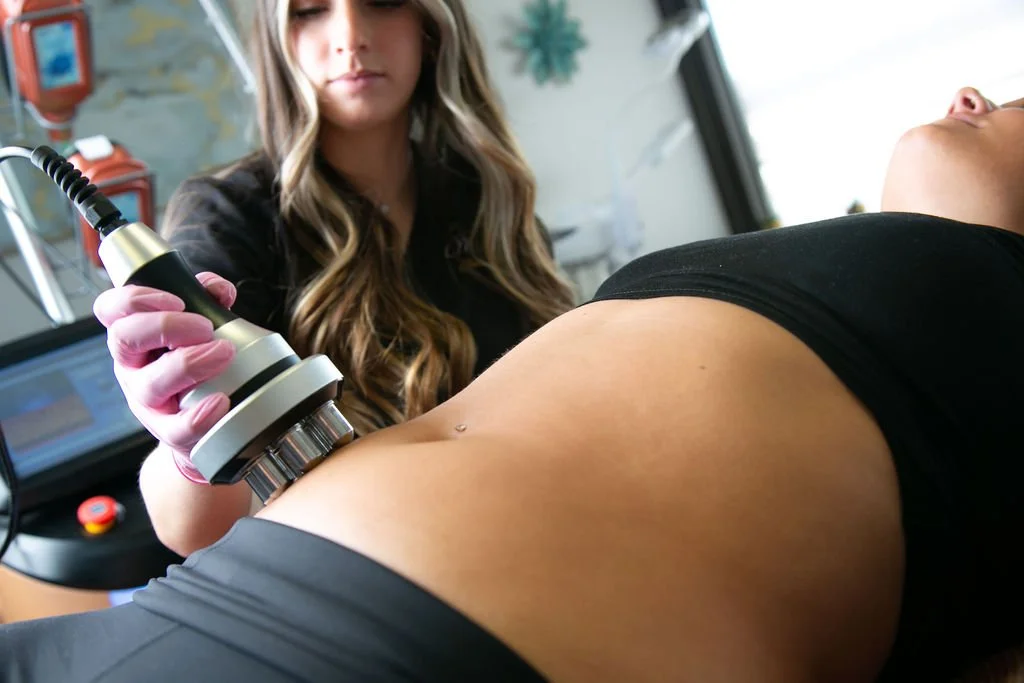
Ultrasonic cavitation produces microscopic vapor cavities in adipose tissue that collapse and generate mechanical stress on fat cell membranes, leading to cell rupture and release of lipid contents that metabolism clears. Radiofrequency delivers controlled heat to dermal and subdermal layers, which stimulates collagen synthesis, contracts existing collagen fibers, and increases tissue firmness through thermal remodeling. When combined, these energies provide a synergistic effect: faster fat reduction from cavitation plus improved skin texture and laxity from RF-mediated collagen stimulation. Recovery is typically rapid with transient warmth, mild redness, or soreness, and treatment frequency is tailored to the treated area's response. Recognizing these complementary mechanisms helps patients choose RF Cavitation when skin tightening is a priority along with fat reduction.
What Are the Benefits and Treatment Areas for RF Cavitation?
RF Cavitation provides distinct benefits in cases of mild-to-moderate fat pockets where skin laxity coexists, offering simultaneous volume reduction and improved skin tone in areas like the abdomen, flanks, thighs, and arms. The procedure’s ability to firm tissue makes it attractive for post-weight-loss contour refinement and for patients who prefer progressive improvement without surgical recovery. Treatment schedules often involve multiple sessions and maintenance visits; outcomes depend on operator technique, device parameters, and individual biology. Compared with cryolipolysis, RF Cavitation more reliably addresses skin laxity while requiring more frequent treatments to achieve comparable fat loss, making it a strong option when tightening is as important as reduction. The following EAV-style table summarizes device types and impacts to clarify choices.
Device TypeMechanismImpact on Fat vs SkinUltrasonic CavitationMechanical microbubbles causing adipocyte disruptionPrimary fat reduction with minimal tighteningRadiofrequency (RF)Thermal stimulation of dermis and subcutisStrong skin tightening, modest fat heatingCombined RF + UltrasoundMechanical disruption + thermal collagen remodelingBalanced fat reduction plus improved skin firmness
Cryo Sculpting vs RF Cavitation: Which Non-Surgical Body Sculpting Method Is Right for You?
Choosing between Cryo Sculpting and RF Cavitation depends on primary treatment goals: Cryo Sculpting specializes in targeted fat reduction via adipocyte apoptosis, while RF Cavitation delivers both fat reduction and tissue tightening through mechanical and thermal effects. Practical decisions hinge on factors such as the amount of fat, skin elasticity, tolerance for multiple sessions, and the desired timeline for seeing results; these considerations are summarized in the EAV comparison below. Safety profiles are favorable for both when performed by trained providers, but differences in transient effects—numbness and firming after cryo versus warmth and possible temporary tenderness after RF—are clinically meaningful. Cost drivers include device type, number of sessions, and treated area size, and an individualized consult yields the most accurate estimate and tailored protocol. After the neutral comparison below, MD Body & Med Spa’s approach to helping patients choose is presented to bridge education with local care options.
MethodCharacteristicTypical DetailsCryo Sculpting (Cryolipolysis)TechnologyControlled cooling that induces adipocyte apoptosisRF Cavitation (Ultrasonic + RF)TechnologyMechanical cavitation plus RF thermal collagen stimulationTreatment GoalsPrimary FocusCryo: targeted fat reduction; RF Cavitation: fat reduction + skin tightening
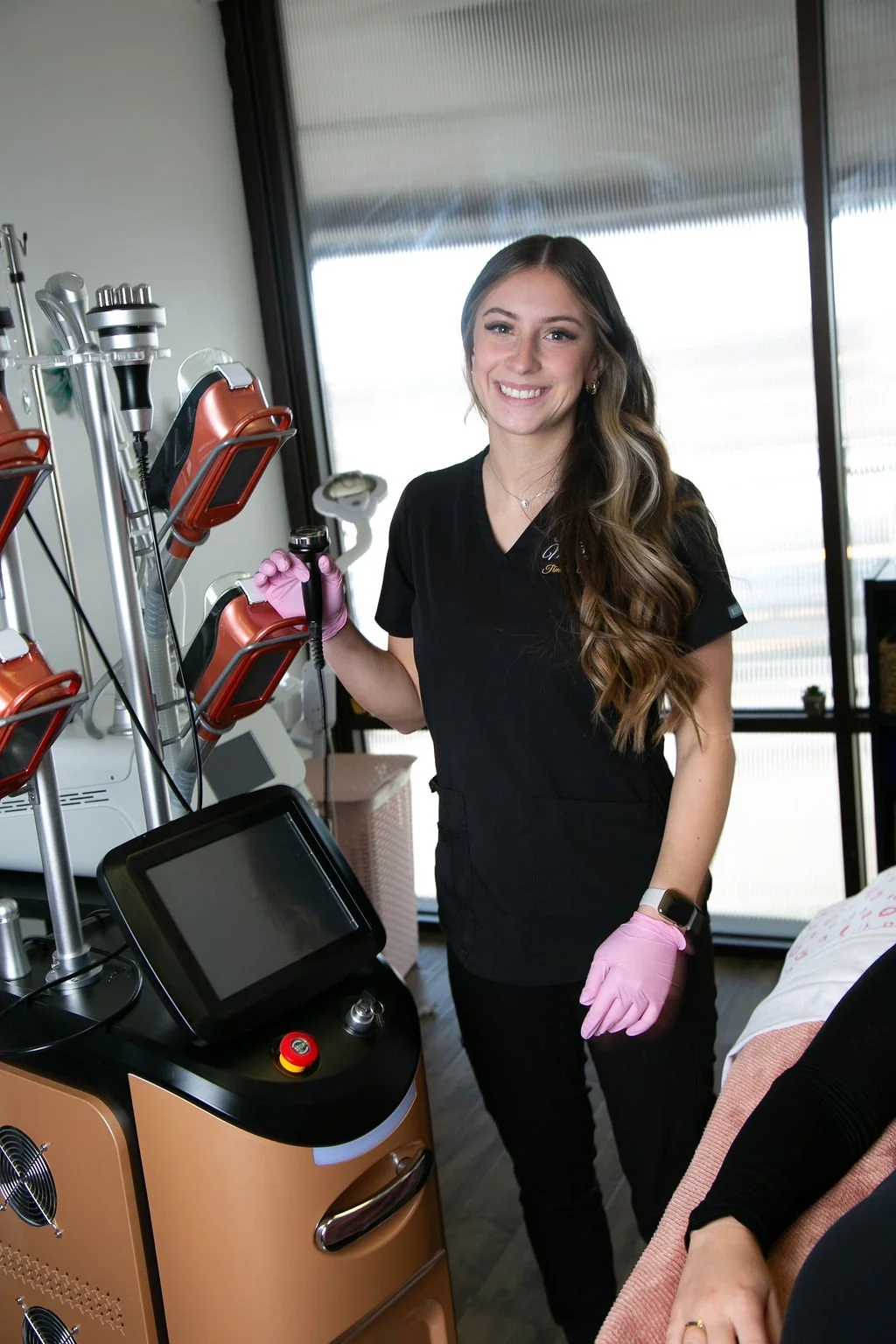
After evaluating the technical differences, MD Body & Med Spa in Greenwood Village offers a patient-first process to help individuals select the right modality for their goals. Their approach emphasizes a personalized assessment led by an experienced clinical team with medical oversight from Derrick Payne, MD, ensuring choices are medically appropriate and tailored to anatomy and aesthetic aims. The practice values safety and comfort, uses advanced, evidence-based devices, and offers flexible payment options such as Cherry to make treatments more accessible. Prospective patients are encouraged to schedule a consult to review candidacy, discuss realistic timelines, and develop a customized plan that may include single-modality or combination treatments.
How Do Cryo Sculpting and RF Cavitation Differ in Technology and Treatment Goals?
Technically, Cryo Sculpting relies on cold-induced adipocyte apoptosis while RF Cavitation employs ultrasonic mechanical disruption and RF thermal remodeling, so each addresses different physiological targets. Cryo is best when the primary goal is to reduce the number of fat cells in a well-defined pocket, whereas RF Cavitation is preferable when skin laxity accompanies fat and a dual benefit is desired. Clinical examples clarify: a patient with discrete flank bulges and firm skin usually fares well with cryolipolysis, while one with mild sagging and diffuse fullness may prefer RF-based therapy. Understanding these distinctions in mechanism and goal alignment streamlines treatment selection and can reduce unnecessary sessions by matching modality to objective. Next we compare session expectations, downtime, and timelines to inform practical planning.
What Are the Differences in Treatment Sessions, Downtime, and Results Timeline?
Cryo Sculpting commonly requires one to three sessions per area spaced several weeks apart, with most patients returning to normal activities immediately and seeing progressive results over two to three months. RF Cavitation typically involves a series of weekly or biweekly sessions—often more treatments than cryo—with earlier perceptible tightening but cumulative fat reduction that builds over the treatment course. Downtime for both modalities is minimal: Cryo may cause temporary numbness and sensitivity, while RF can cause short-lived warmth or redness; neither typically requires work absence. The different timelines—slower, sustained remodeling for cryo versus faster-tightening plus repeated cavitation sessions—help patients select based on how soon they want to see changes and how many visits they can commit to. Consideration of cost and safety is the final factor in practical decision-making.
How Do Cost and Safety Compare Between Cryo Sculpting and RF Cavitation?
Cost is influenced by the device used, the size and number of treatment areas, and how many sessions are needed; because RF Cavitation often requires more sessions to achieve comparable volume loss, total cost dynamics can vary despite lower per-session pricing in some settings. Safety profiles show both procedures are well-tolerated when administered by trained clinicians: common side effects are transient (numbness, redness, tenderness), while serious complications are rare but require immediate evaluation. Device selection, operator experience, and medical oversight reduce risk, underscoring the importance of choosing a reputable clinic and discussing pre-existing conditions during consultation. For transparent pricing and personalized recommendations, an in-person consultation provides a precise treatment plan and cost estimate.
Why Choose MD Body & Med Spa in Greenwood Village for Your Non-Surgical Body Sculpting?
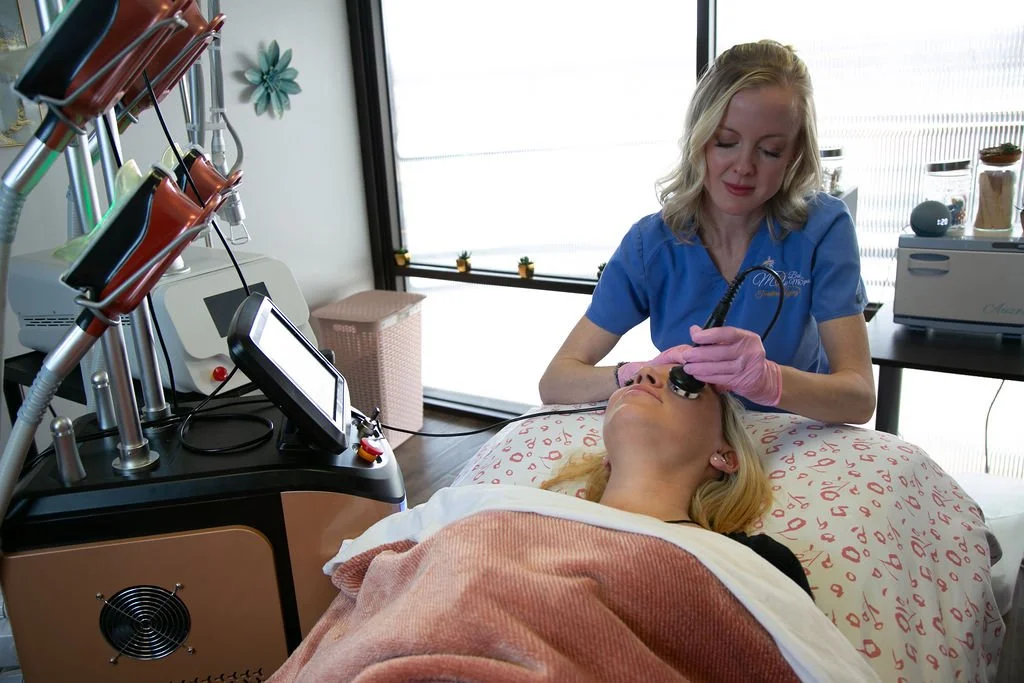
MD Body & Med Spa provides locally focused non-surgical body sculpting services in Greenwood Village with medical oversight and a patient-centered process that prioritizes safety and individualized outcomes. The clinic emphasizes personalized treatment plans following a professional assessment, leverages advanced technologies appropriate to each patient’s goals, and maintains a commitment to comfort during sessions. Flexible payment options, including Cherry, are offered to increase accessibility and help patients proceed with their recommended plans responsibly. This brief provider overview is intended to guide readers toward a medically supervised, evidence-informed decision rather than to replace consultation, and the following subsections outline specific practice features that support safe, effective care.
What Personalized Approaches and Advanced Technologies Does MD Body & Med Spa Offer?
MD Body & Med Spa uses an individualized consultation model to align patient goals with device selection and treatment sequencing, ensuring the plan addresses fat reduction, skin quality, or both as needed. The clinic’s service menu includes body sculpting modalities referenced in local search trends—such as Cryo Sculpting and thermal/ultrasonic treatments—combined with injectables, laser therapies, and skin rejuvenation to create comprehensive plans when appropriate. Personalized approaches may integrate sequential or combination treatments to maximize outcomes while minimizing risk, and flexible financing options via Cherry make multi-session protocols more manageable for many patients. This tailored process transitions naturally into the clinic’s safety and follow-up practices, which reinforce results longevity.
How Does MD Body & Med Spa Ensure Safety, Comfort, and Long-Lasting Results?
Safety measures include a structured intake, medical history review, and treatment consent processes overseen by the medical director, Derrick Payne, MD, ensuring clinical appropriateness before any device is used. Trained operators follow device-specific protocols, document progress, and schedule follow-up to monitor outcomes and address concerns promptly, which promotes durable results and patient satisfaction. Comfort measures—such as topical numbing when indicated, gradual energy titration, and attentive post-care instructions—minimize discomfort and expedite recovery. Together, these safety, comfort, and monitoring practices create a treatment environment that supports both short-term wellbeing and long-term contouring success.
What Are the Most Common Questions About Non-Surgical Body Sculpting in Greenwood Village?
This FAQ-style section addresses frequent patient concerns concisely and directly, offering clear answers that help reduce anxiety and clarify next steps before a consultation. Each item opens with a direct response followed by practical nuance, and the last subsection outlines preparation and aftercare to support safe, effective recovery. After these answers, readers are invited to book a consultation to receive individualized advice and precise pricing for their goals.
Can Cryo Sculpting or RF Cavitation Permanently Remove Stubborn Fat?
Yes—both Cryo Sculpting and RF Cavitation can produce permanent reduction of treated fat cells because adipocytes removed or destroyed do not regenerate; however, remaining fat cells can enlarge if weight is gained, so maintenance through healthy lifestyle is essential. Cryo removes fat cells via apoptosis after controlled cooling, while cavitation physically disrupts cells that are subsequently cleared metabolically; both reduce cell number in treated areas. Realistic expectations and weight stability determine long-term satisfaction, and providers typically discuss maintenance strategies during consultation. For personalized permanence estimates tied to individual anatomy, a professional assessment is recommended.
What Are the Typical Side Effects and Recovery Times for Each Treatment?
Common side effects for Cryo Sculpting include temporary numbness, tingling, and mild soreness that typically resolve within days to weeks, while RF Cavitation more often causes transient warmth, redness, or mild tenderness after sessions. Neither modality generally requires downtime or time off work, and patients can usually resume normal activities immediately, though high-intensity exercise may be paused briefly per provider guidance. Serious complications are uncommon when treatments are performed by trained clinicians under medical oversight, and any persistent or worsening symptoms should prompt a follow-up visit. Understanding expected aftercare and signs that warrant contact helps patients recover confidently.
How Much Do Cryo Sculpting and RF Cavitation Treatments Cost in Greenwood Village?
Treatment cost depends on several factors—treated area size, number of sessions required, device used, and whether combination therapies are recommended—so specific pricing is provided after a consultation that tailors a plan to individual anatomy and goals. Rather than listing generic prices, clinicians typically offer a detailed estimate during the visit and discuss financing options to support multi-session protocols. MD Body & Med Spa provides flexible payment arrangements, including Cherry, to help patients pursue recommended plans responsibly and transparently. Scheduling an evaluation yields the most accurate cost information for a patient’s unique treatment pathway.
How Should Patients Prepare for and Care for Themselves After Body Sculpting Sessions?
Preparing for non-surgical body sculpting usually involves avoiding certain medications that increase bleeding risk if instructed by a clinician, arriving well-hydrated, and discussing recent medical history during intake to ensure safety; specific pre-procedure instructions are provided at consultation. After treatment, patients should follow post-care guidance—such as staying hydrated, gently massaging treated zones if advised, and avoiding aggressive skin treatments until cleared—that promotes lymphatic clearance and comfort. Routine follow-up appointments monitor healing and results, and immediate contact with the provider is recommended for unexpected pain, prolonged numbness, or signs of infection. Clear pre- and post-care planning optimizes outcomes and reduces complications.
Common benefits covered: Targeted fat reduction: Reduces localized adipocyte number in treated zones.Minimal downtime: Allows quick return to routine activities following sessions.Improved skin tone (RF): Stimulates collagen remodeling for firmer tissue.
When to consult: Persistent localized fat: If diet and exercise have not eliminated bulges.Mild skin laxity: If tightening plus fat reduction is desired.Medical clearance needed: For significant medical histories or conditions.
Next steps: Schedule an assessment: Receive a customized plan and cost estimate.Discuss combination options: Explore sequencing or combining modalities for best results.Review financing: Learn about flexible payment options like Cherry to support your plan.
These lists summarize actionable takeaways and guide readers toward informed decisions, closing the article with practical next steps for those considering non-surgical body sculpting in Greenwood Village.
Frequently Asked Questions
What Are the Key Differences in Recovery Times Between Cryo Sculpting and RF Cavitation?
Recovery times for Cryo Sculpting and RF Cavitation differ primarily due to their mechanisms. Cryo Sculpting typically allows patients to resume normal activities immediately, with minor side effects like numbness or tingling that resolve within days. In contrast, RF Cavitation may involve slight warmth or redness, but patients can also return to daily routines right away. However, RF Cavitation often requires multiple sessions for optimal results, which can extend the overall treatment timeline. Understanding these differences helps patients plan their schedules accordingly.
How Do I Know Which Treatment Is Best for My Body Goals?
Choosing the right treatment depends on your specific body goals. If your primary aim is to reduce localized fat pockets, Cryo Sculpting may be more suitable. However, if you also want to improve skin elasticity and firmness, RF Cavitation offers dual benefits. A consultation with a qualified clinician can help assess your body type, skin condition, and desired outcomes, allowing for a tailored recommendation that aligns with your aesthetic objectives.
What Should I Expect in Terms of Pain or Discomfort During Treatments?
Both Cryo Sculpting and RF Cavitation are designed to be minimally uncomfortable. Cryo Sculpting may cause a brief sensation of cold and slight pressure during the procedure, while RF Cavitation can produce a warming sensation. Most patients report only mild discomfort, and any side effects are typically transient. Clinicians often provide comfort measures, such as topical numbing, to enhance the experience. Understanding what to expect can help alleviate anxiety about the procedures.
Can I Return to Exercise Immediately After Treatment?
While both treatments have minimal downtime, it is generally advisable to avoid high-intensity exercise for a short period after each session. For Cryo Sculpting, patients may resume light activities immediately, but should refrain from strenuous workouts for a few days. In the case of RF Cavitation, gentle activities can be resumed right away, but it's best to follow your clinician's specific recommendations. This approach helps ensure optimal recovery and results from the treatments.
Are There Any Long-Term Maintenance Strategies After Treatment?
Yes, maintaining results from Cryo Sculpting and RF Cavitation often involves adopting a healthy lifestyle. Patients are encouraged to follow a balanced diet and engage in regular exercise to prevent weight gain, which can affect the longevity of results. Some may also benefit from periodic maintenance sessions to sustain their desired body contours. Discussing a personalized maintenance plan with your clinician during follow-up visits can help ensure lasting satisfaction with your treatment outcomes.
What Are the Most Common Misconceptions About Non-Surgical Body Sculpting?
One common misconception is that non-surgical body sculpting is a weight-loss solution; however, these treatments are designed for contouring and targeting stubborn fat areas rather than significant weight reduction. Another myth is that results are immediate, while in reality, both Cryo Sculpting and RF Cavitation require time for the body to process and eliminate fat cells. Educating yourself about these treatments can help set realistic expectations and enhance your overall experience.
What Is the Difference Between Cryo Sculpting and RF Cavitation?
Cryo Sculpting primarily focuses on fat reduction by freezing fat cells, leading to their permanent removal. In contrast, RF Cavitation combines mechanical disruption of fat cells with radiofrequency energy to not only reduce fat but also tighten the skin. This dual-action makes RF Cavitation suitable for patients who want both fat loss and improved skin elasticity. Understanding these differences helps patients choose the right treatment based on their specific goals, whether they prioritize fat loss or skin tightening.
How Long Do Results Last After Treatment?
Results from both Cryo Sculpting and RF Cavitation can be long-lasting, as the fat cells destroyed during treatment do not regenerate. However, maintaining a stable weight is crucial; if a patient gains weight, remaining fat cells can enlarge, potentially diminishing results. Typically, patients can expect to see optimal results within 12 weeks for Cryo Sculpting and progressively over several sessions for RF Cavitation. Regular follow-ups and a healthy lifestyle can help sustain the benefits achieved through these treatments.
Are There Any Specific Aftercare Instructions Following Treatment?
Yes, aftercare is essential for optimal recovery and results. Patients are generally advised to stay hydrated, avoid strenuous exercise for a short period, and follow any specific instructions provided by their clinician. For Cryo Sculpting, gentle massage of the treated area may be recommended to enhance lymphatic drainage. For RF Cavitation, patients should avoid aggressive skin treatments until cleared. Adhering to these guidelines can help minimize side effects and promote effective healing.
Can These Treatments Be Combined for Better Results?
Yes, combining Cryo Sculpting and RF Cavitation can enhance overall results. This approach allows patients to benefit from targeted fat reduction while also addressing skin laxity. A personalized treatment plan can incorporate both modalities, optimizing outcomes by leveraging the strengths of each technique. Patients interested in combination treatments should discuss their goals during the consultation to determine the best strategy for achieving their desired body contouring results.
What Should I Expect During a Consultation for Body Sculpting?
During a consultation, a qualified clinician will assess your medical history, discuss your aesthetic goals, and evaluate the areas you wish to treat. This personalized assessment helps determine the most suitable treatment options, whether Cryo Sculpting, RF Cavitation, or a combination of both. The clinician will also explain the procedures, expected outcomes, and any associated costs. This thorough evaluation ensures that you receive a tailored plan that aligns with your individual needs and expectations.
Are There Any Contraindications for These Treatments?
Yes, certain medical conditions may contraindicate Cryo Sculpting or RF Cavitation. Individuals with conditions such as cryoglobulinemia, cold urticaria, or severe skin conditions should avoid Cryo Sculpting. Similarly, those with pacemakers or certain implants may not be suitable candidates for RF Cavitation. A comprehensive medical history review during the consultation will help identify any potential risks, ensuring that the chosen treatment is safe and appropriate for each patient.
Conclusion
Non-surgical body sculpting offers effective solutions for targeted fat reduction and skin tightening, helping individuals achieve their desired body contours without the need for invasive procedures. Understanding the differences between Cryo Sculpting and RF Cavitation empowers patients to make informed choices based on their specific goals and needs. For those in Greenwood Village, MD Body & Med Spa provides personalized consultations to guide you through the selection process and ensure optimal results. Schedule your assessment today to explore the best options for your body sculpting journey.