
Cryo Sculpting vs RF/80K Body Contouring: Which Fits Your Goal?
Cryo sculpting and RF/80K body contouring can both support non-surgical body shaping, but they are usually solving different problems. In most cases, cryo sculpting is the better fit for localized, pinchable fat pockets, while RF/80K body contouring is the better fit for firmness support, cellulite appearance support, and contour refinement across an area. The right choice usually depends less on which treatment sounds more advanced and more on what you are actually trying to change.
If you want a full overview of our body sculpting options before comparing paths, start here.
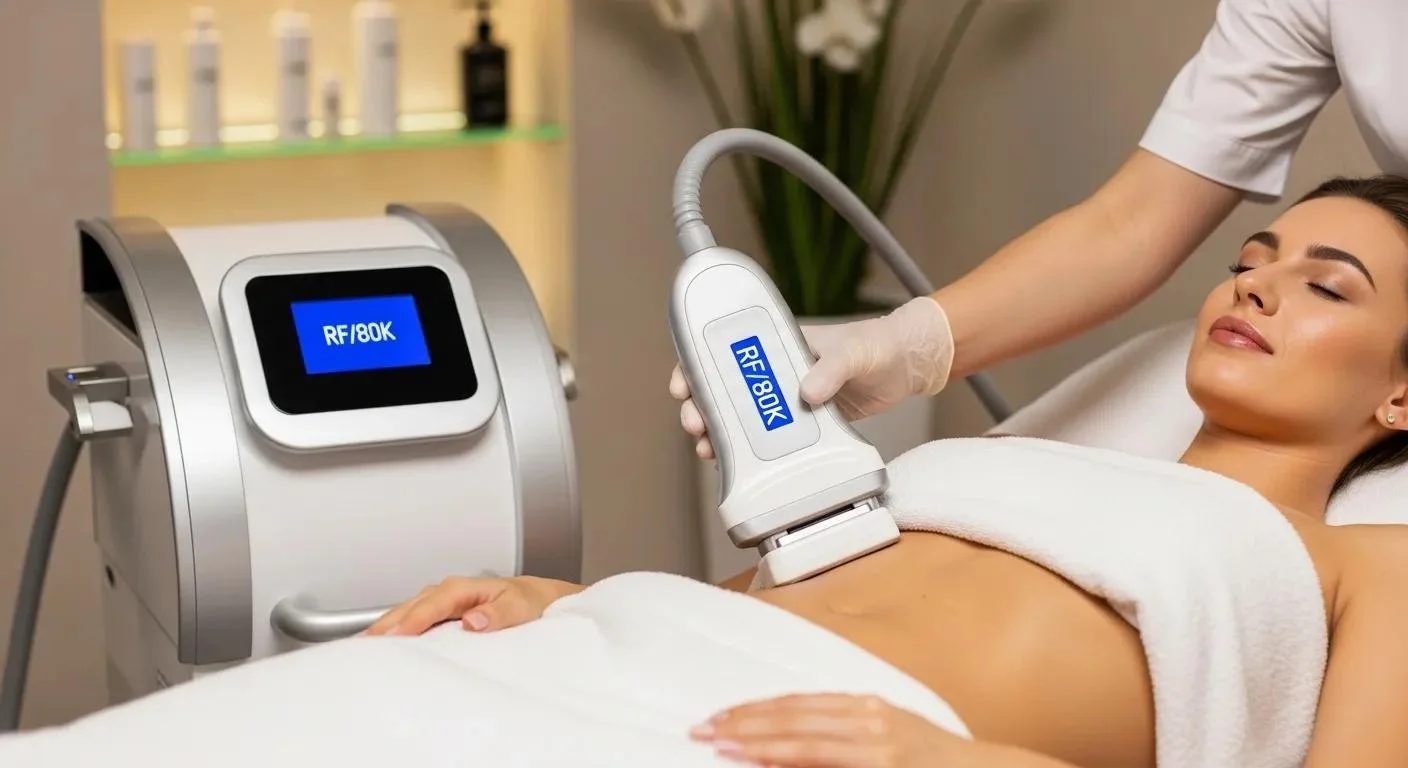
What is the main difference between cryo sculpting and RF/80K body contouring?
The biggest difference is the primary goal. Cryo sculpting is usually chosen when the target is a stubborn, pinchable fat pocket that you want reduced over time. RF/80K body contouring is usually chosen when the bigger concern is contour refinement, mild laxity, cellulite appearance, or a treatment plan that supports firmness as well as shaping.
That difference matters because body contouring is not a weight-loss treatment in either case. The FDA explains that non-invasive body contouring does not treat obesity or result in weight loss, and some effects may be temporary depending on the technology and the goal being treated.
Which goals usually point to cryo sculpting?
Cryo sculpting is usually the better fit when the area is soft, localized, and clearly pinchable. It is the option people tend to ask about when they feel good about their overall direction but still have one area on the abdomen, flanks, thighs, arms, or chin that does not seem to respond the way they want.
This is also the better lane when fat reduction is the main outcome you care about. Our cryo sculpting page explains how cryolipolysis uses controlled cooling to target specific fat pockets over time.
FDA guidance on cryolipolysis and body contouring devices explains that the treatment is not suitable for individuals with specific cold-related conditions and outlines risks that can include temporary effects like redness or numbness as well as rare complications such as paradoxical adipose hyperplasia and hernia.
Which goals usually point to RF/80K body contouring?
RF/80K body contouring is usually the better fit when the issue is not just fat volume. It tends to make more sense when the area needs firmness support, cellulite appearance support, or more overall contour refinement instead of a single fat-pocket reduction focus.
This is often the better lane when someone says, “I want this area to look smoother or tighter,” rather than, “I want this one bulge gone.” On our body sculpting page, RF is presented as support for firmness and cellulite appearance, while 80K cavitation is used as part of contouring support.
American Society for Laser Medicine and Surgery guidance on energy-based body contouring notes that radiofrequency treatments apply heat, can address both skin tightening and fat cells, and are suitable for broader treatment areas like the abdomen and flanks.
How do treatment feel, session pattern, and timeline usually compare?
Cryo sculpting and RF/80K body contouring are different experiences, and that matters more than many comparison pages admit. Cryo is a cold-based treatment for localized fat pockets, while RF-based treatments use heat energy and are often chosen when the plan involves texture or firmness as well as contour.
In practical terms, cryo sculpting is often chosen for a more targeted area-by-area fat reduction plan, while RF/80K body contouring is more often planned as a series for progressive contour support. Our current body sculpting pages describe cryo as often needing 1 or more sessions per area depending on goals, while RF/80K cavitation is often recommended as a series for best visible change.
ASLMS guidance on non-invasive body contouring explains that improvements can start within weeks, are more fully visible around two months, and occur gradually over multiple sessions instead of all at once.
Which option usually fits your goal better?
For most people, this is the section that makes the choice much clearer. The right answer usually becomes obvious once you compare the body concern, not just the device category.
| If your main concern is... | Cryo sculpting | RF/80K body contouring | Why one usually fits better |
|---|---|---|---|
| A soft, stubborn bulge you can pinch | Usually the stronger fit | Sometimes supportive, but not the main choice | Cryo is built for localized, pinchable fat pockets |
| Mild looseness, skin softness, or cellulite appearance | Usually not the main fit | Usually the stronger fit | RF/80K is better aligned with tightening and texture-focused goals |
| A mixed issue with a small fat pocket and some laxity | Sometimes part of the answer | Sometimes part of the answer | The better plan depends on which concern matters more first |
| A larger area that needs overall contour refinement | Sometimes, if there are defined pockets | Often the better fit | Heat-based contouring support is often used more broadly across an area |
| Deep abdominal fullness or overall weight loss goals | Not the right tool | Not the right tool | Neither option replaces overall weight management |
| Significant hanging loose skin after major weight change | Usually not enough | Usually not enough | A different treatment path is often more realistic |
If you already know your main issue is a localized fat pocket, you can review our cryo sculpting details here.
What should you check before choosing between them?
A simple self-check can help you walk into a consultation with better questions and fewer unrealistic expectations.
Is the area soft and pinchable, or is it more loose, crepey, or dimpled?
Are you trying to reduce one clear bulge, or improve the feel and finish of a wider area?
Is your weight fairly stable right now?
Are you expecting targeted contour change, or broad weight loss?
Would gradual improvement over time feel worthwhile to you, or are your expectations closer to surgery-level change?
Is significant loose skin the real issue?
Do you have any medical or safety considerations that should be discussed before treatment?
Cleveland Clinic describes body contouring as targeted reshaping for specific areas rather than a way to lose weight, which is exactly why this self-sorting step matters.
What does this comparison look like in real life?
Real choices usually become easier when you stop thinking in treatment names and start thinking in body concerns.
Example 1: Someone is close to a stable weight and has a distinct lower-abdomen pocket they can easily pinch. They are less concerned with cellulite or skin texture and mostly want that one bulge reduced over time. In that situation, cryo sculpting is usually the more logical starting point.
Example 2: Someone else is bothered by a softer-looking thigh or abdomen area with mild laxity and visible texture changes, but the area does not feel like one distinct fat pocket. In that situation, RF/80K body contouring is often the more natural fit because the concern is more about firmness and refinement than a single pinchable bulge.
You can also review real before-and-after results here.
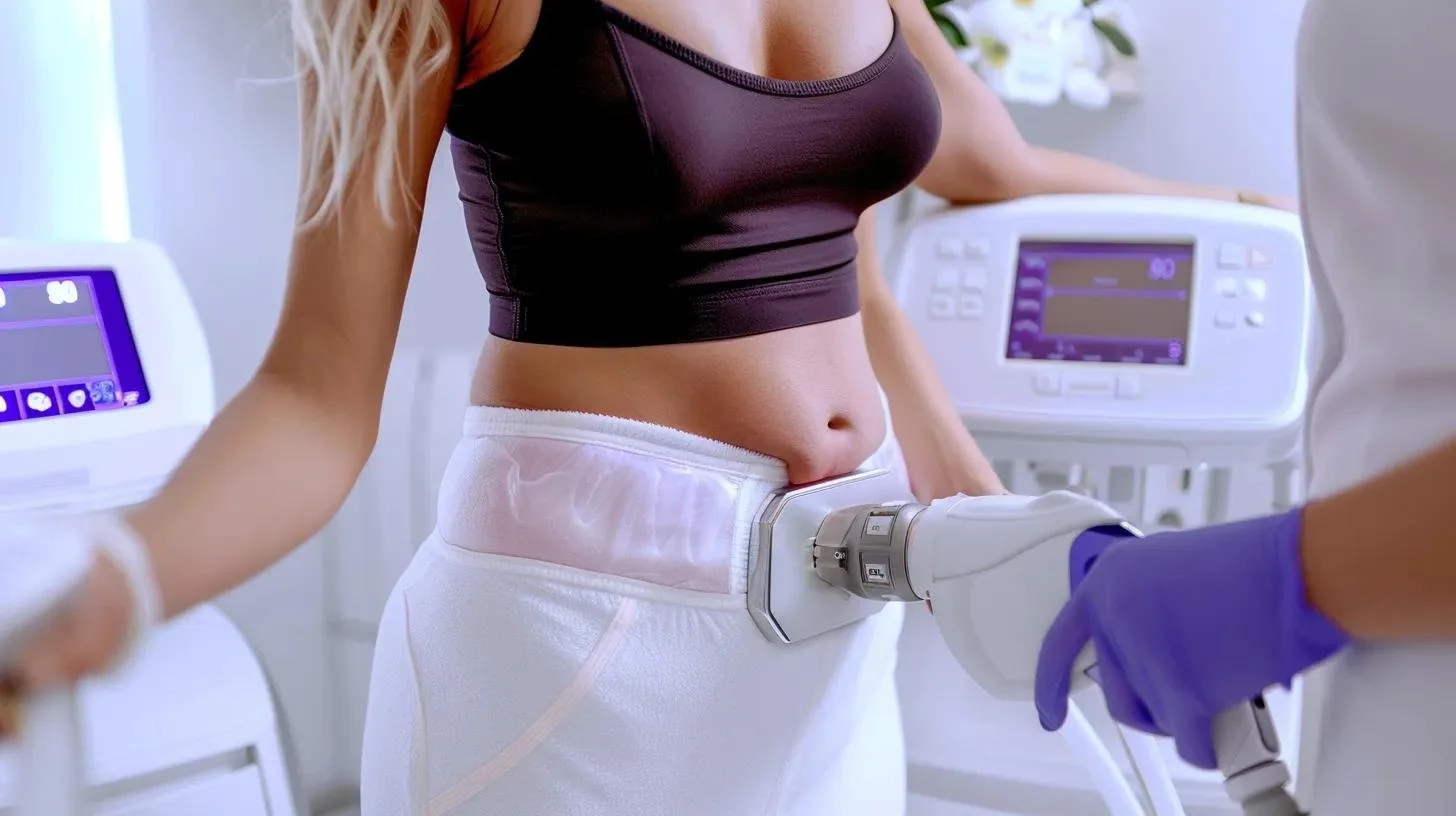
What common mistakes and red flags should you watch for?
The most common mistake is choosing cryo when the real problem is loose skin or cellulite appearance, or choosing RF/80K when the real goal is to reduce one obvious pinchable fat pocket. The second mistake is expecting either option to create major overall weight loss. That is where disappointment usually begins.
Another mistake is ignoring how differently the treatments are meant to work. Cryo is a fat-pocket treatment. RF-based body contouring is more of a refinement and firmness-support conversation. When those roles get blurred, people often compare the treatments unfairly.
Red flags matter too. For cryolipolysis, the FDA warns about cold-sensitivity disorders, hernia concerns in structurally weak areas, and a rare complication called paradoxical adipose hyperplasia, where fat grows instead of shrinking. FDA guidance on energy-based body contouring devices explains that RF treatments require caution when metal is present in the treatment area—such as implants or certain tattoos—because it can increase risk.
Frequently asked questions about cryo sculpting and RF/80K body contouring
-
Not across the board. Cryo is usually better for a localized, pinchable fat pocket, while RF/80K is usually better when firmness, texture, cellulite appearance, or broader contour refinement is the main goal.
-
It can support contour change, but it is usually chosen for a different reason than cryo. When the main goal is one clearly defined fat pocket, cryo is often the more direct fit.
-
It depends on the kind of abdominal concern. A soft, pinchable bulge usually points more toward cryo, while an area that mainly needs firmness or smoothing support may point more toward RF/80K.
-
No. Both are body contouring options, not weight-loss treatments.
Ready to choose the right body contouring direction?
If you want help deciding whether your goal is better matched to cryo sculpting or RF/80K body contouring, start with our body sculpting overview here.
If exact current pricing is part of your decision, you can review it here.