
CO₂ Laser Skin Resurfacing in Greenwood Village: Options, Downtime & Results Basics
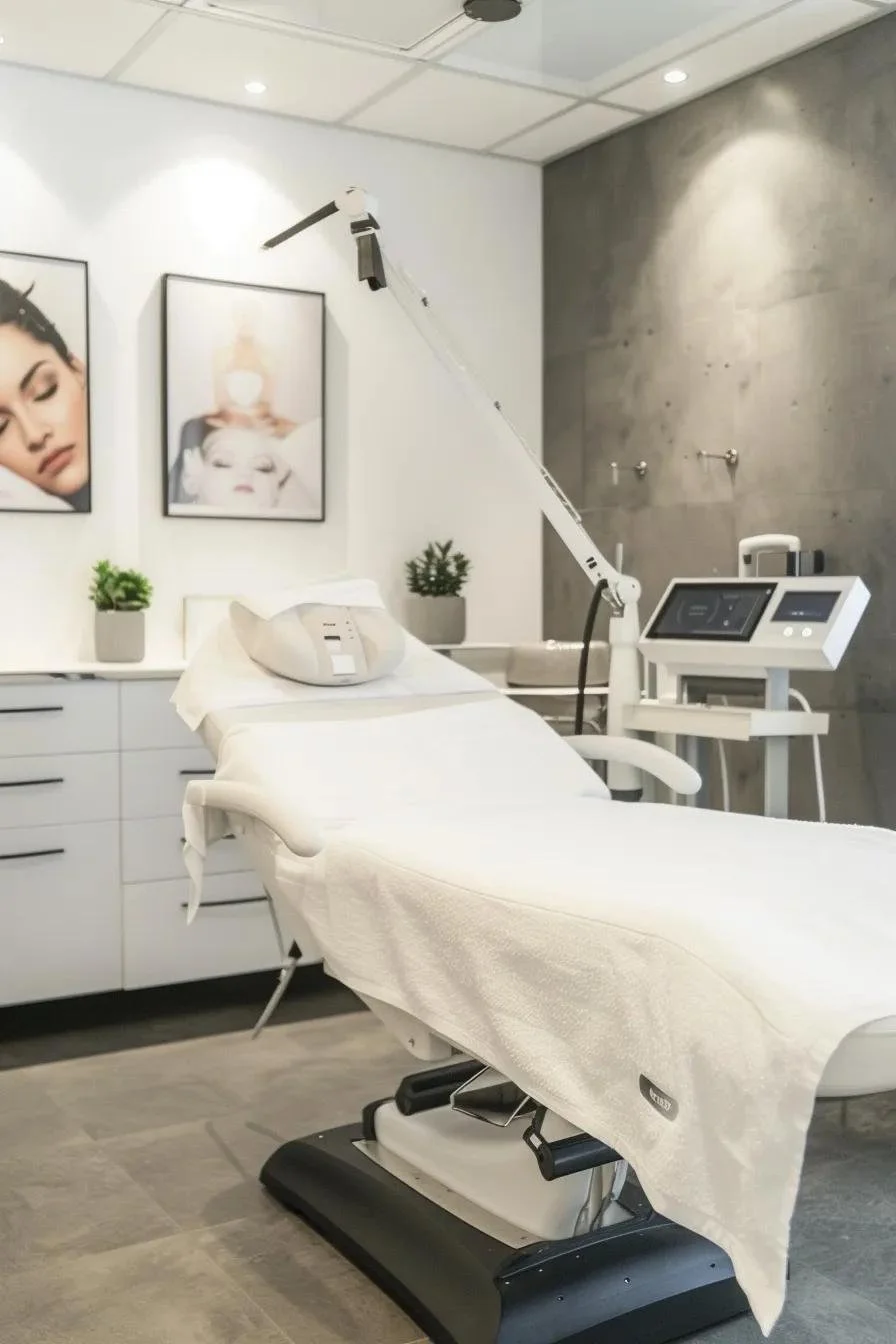
CO₂ laser skin resurfacing is an advanced aesthetic procedure that removes damaged outer skin layers and stimulates collagen remodeling to improve texture, wrinkles, and scarring in Greenwood Village patients. This article explains how CO₂ lasers work, compares fractional and full-field approaches, outlines device and intensity options, and maps realistic downtime and recovery expectations so you can decide whether this treatment fits your goals. Many people seek CO₂ resurfacing to correct deep sun damage, treat acne scars, or address stubborn lines, yet confusion remains about device differences, expected healing timelines, and realistic results; this guide reduces that uncertainty with clinically grounded explanations. You will learn what to expect during consultation and treatment, how outcomes evolve over weeks to months, cost factors that influence pricing in Greenwood Village, and which questions to ask before booking. Throughout the article we use clear comparisons, recovery timelines, practical checklists, and side-by-side tables to help you evaluate options and prepare for a safe, effective experience with CO₂ laser resurfacing.
What Is CO₂ Laser Skin Resurfacing and How Does It Work?
CO₂ laser skin resurfacing is an ablative procedure that uses focused carbon dioxide laser energy to vaporize damaged epidermal tissue and create controlled thermal injury in the dermis, prompting fibroblast activation and new collagen formation. The mechanism combines tissue ablation with heat-induced collagen remodeling, producing improved skin texture, reduced wrinkles, and scar softening as the skin re-epithelializes. Fractional modes deliver microthermal treatment zones, reducing overall surface trauma and shortening downtime compared with full-field ablation, while full-field treatments address more severe photodamage at the expense of longer healing. Understanding these mechanisms clarifies why CO₂ resurfacing is chosen for deeper rhytides, tethered acne scars, and significant texture irregularities, and sets expectations for recovery and long-term remodeling. The next section examines fractional technology specifically, showing how it balances efficacy and downtime for many Greenwood Village patients.
CO2 Laser in Dermatology: Ablation and Aesthetic Applications
With its wavelength in the mid-infrared at 10,600 nm, CO2laser energy is wellabsorbed in water. As skin contains a very high water percentage, this makes the CO2laser ideal for precise, safe ablation with good hemostasis. In addition to its efficacy in ablating benign raised lesions, the CO2laser has been reported to be effective in the field of esthetic dermatology in the revision of acne scars as well as in photorej
The role of the CO2 laser and fractional CO2 laser in dermatology, 2014
What Is Fractional CO₂ Laser and How Is It Different?
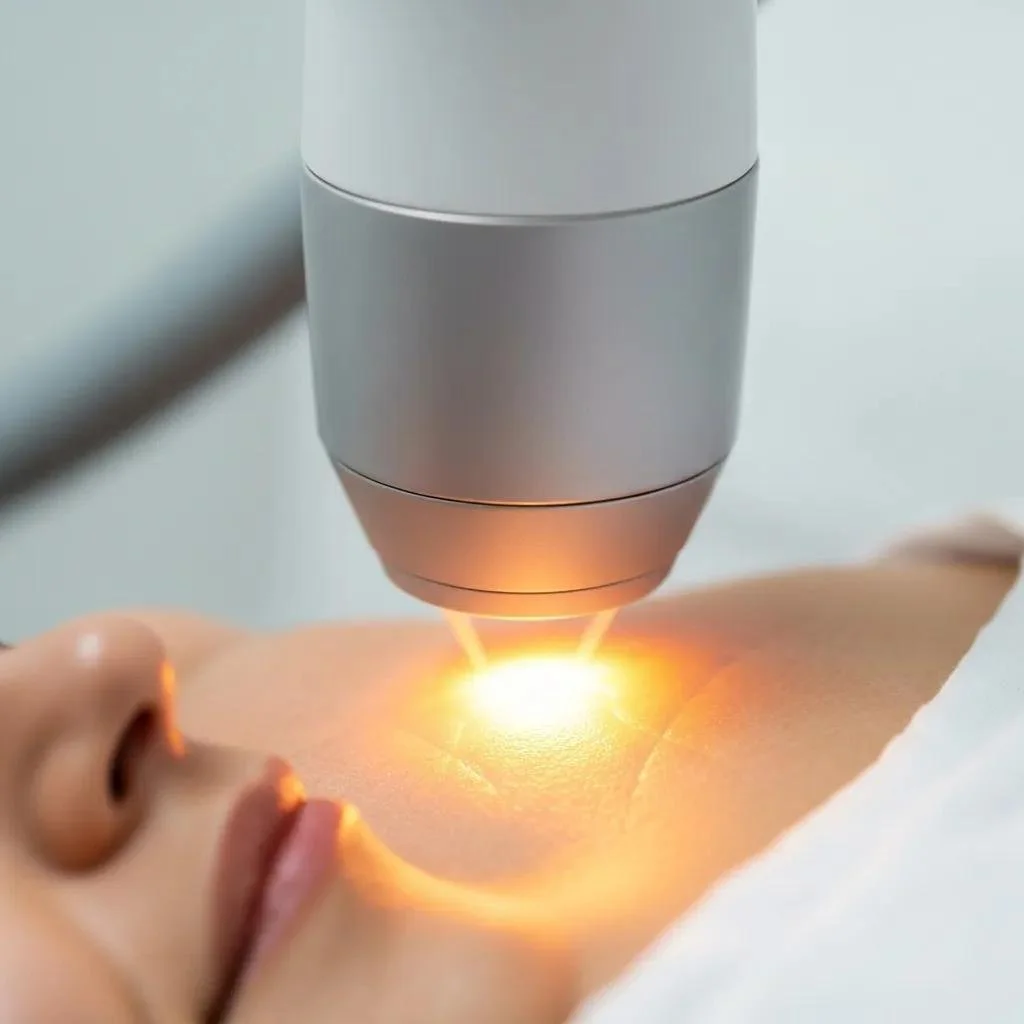
Fractional CO₂ laser treats the skin with a pattern of microscopic zones of thermal injury called fractional microthermal zones, leaving intervening skin intact to accelerate healing. This approach reduces widespread epidermal removal, leading to shorter crusting and re-epithelialization periods compared with full-field ablative resurfacing, while still triggering dermal collagen stimulation for meaningful improvement. Fractional treatments are well-suited to patients seeking moderate correction of fine lines, surface texture, and mild to moderate acne scarring with tolerable downtime and staged retreatment options. Because untreated skin bridges remain between ablated columns, infection risk and prolonged erythema are often lower, and providers can tailor density and energy to patient goals and skin type. Fractional technology therefore offers a practical compromise between non-ablative modalities and aggressive full-field ablation.
How Does CO₂ Laser Stimulate Collagen and Improve Skin?
CO₂ laser energy causes controlled thermal injury that activates local wound-healing cascades, leading to fibroblast proliferation and increased synthesis of collagen types I and III, which re-organize over months to strengthen dermal architecture. This biologic response—thermal denaturation followed by remodeling—reduces fine lines, improves skin thickness, and softens scar bands as extracellular matrix components increase and realign. Clinical improvements typically appear progressively: textural smoothing and contraction are noticeable early, while peak collagen-driven tightening and improved contour emerge over three to six months after treatment. Providers use this timeline to set realistic expectations and to plan potential adjunctive therapies that can augment remodeling. Understanding collagen kinetics helps patients appreciate why initial healing differs from longer-term aesthetic outcomes.
CO2 Laser Resurfacing and Connective Tissue Remodeling
Connective tissue remodeling induced by carbon dioxide laser resurfacing of photodamaged human skin. The purpose of this study was to determine whether the connective tissue remodeling induced by CO2 laser resurfacing would conform to fundamental wound healing mechanisms. MMP-13 functions to remodel newly produced collagen in CO2 laser–treated skin, rather than to degrade existing collagen.
Connective tissue remodeling induced by carbon dioxide laser resurfacing of photodamaged human skin, 2004
What Are the Benefits and Conditions Treated by CO₂ Laser Resurfacing?
CO₂ resurfacing delivers multi–mechanism benefits: it ablates photoaged epidermis, stimulates dermal collagen for tightening, and remodels scar tissue to smooth surface irregularities. Conditions commonly treated include deep wrinkles and peri-oral lines, atrophic acne scars, uneven texture from sun damage, and areas with pigment irregularities when carefully selected and managed. The combination of depth control, energy modulation, and fractional patterns lets practitioners match treatment intensity to the clinical problem, improving outcomes while managing safety across different skin types. Adjuncts such as biologic matrices or staged resurfacing courses can amplify results and reduce the need for overly aggressive single sessions. The following table maps common conditions to typical outcomes and session expectations to help set realistic goals.
Different skin concerns respond to CO₂ resurfacing with variable improvement and session counts:
Condition TreatedTypical ImprovementTypical Number of SessionsFine lines & deep wrinklesNoticeable smoothing and skin tightening over months1–2 sessions (intensity-dependent)Atrophic acne scarsScar depth reduction and texture smoothing1–3 sessions with intervalsSun-damaged pigmentation & textureImproved tone and smoother surface; pigment may require adjuncts1–2 sessions plus topical regimensIrregular texture & surgical scarsSurface recontouring and collagen remodeling1–3 sessions depending on depth
How Effective Is CO₂ Laser for Wrinkles, Fine Lines, and Skin Tightening?
For wrinkles and fine lines, CO₂ resurfacing provides deeper remodeling than non-ablative lasers, with measurable tightening and wrinkle reduction that often exceeds superficial modalities. Clinical series report a spectrum of improvement—mild to substantial—depending on energy settings and treatment depth, and higher-intensity treatments generally yield greater tightening but require longer recovery. Practically, clinicians balance the desired degree of correction with acceptable downtime, often recommending one aggressive full-field treatment or multiple fractional sessions for progressive improvement. Maintenance strategies such as sun protection and periodic lower–intensity touch-ups help prolong benefits against ongoing intrinsic aging. Patients should expect incremental gains, with peak tightening developing over several months as collagen matures.
Can CO₂ Laser Improve Acne Scars, Sun Damage, and Hyperpigmentation?
CO₂ resurfacing is among the most effective options for atrophic acne scars and severe photodamage because it ablates scarred surface tissue and induces deep dermal remodeling that softens tethered bands and evens texture. Outcomes depend on scar type—rolling scars typically respond better than deep ice-pick scars—so combination approaches may be recommended for severe cases. Hyperpigmentation risks such as post-inflammatory hyperpigmentation (PIH) are a concern, especially in darker skin types, and providers mitigate risk through conservative settings, pre-treatment topical regimens, and staged therapies. Patient selection, sun protection, and adherence to aftercare are critical to optimize pigment outcomes and minimize adverse effects.
What Are the CO₂ Laser Treatment Options and Customization Available in Greenwood Village?
CO₂ laser options range from light, superficial fractional passes to moderate fractional protocols and aggressive full-field ablation; device-specific modes can further refine depth, density, and thermal profile. Customization begins with assessing skin type, concern severity, downtime tolerance, and medical history; clinicians then select energy, density, and pass strategy to achieve clinical goals while prioritizing safety. Device choice influences experience—some platforms offer ultra-short pulses and controlled thermal zones that reduce collateral heat, while others provide modes optimized for superficial rejuvenation or deeper ablation. Patient education about trade-offs—efficacy versus recovery—helps guide consent and expectation-setting prior to scheduling any procedure. In Greenwood Village, clinics emphasize individualized plans that align technology and protocol to each patient’s priorities.
The clinics in Greenwood Village commonly customize treatments along these lines:
Protocol / Device TypeDepth & DowntimeTypical IndicationsLight fractionalSuperficial epidermal ablation; 3–7 days initial healingFine lines, mild texture issuesModerate fractionalDeeper microthermal zones; 7–10 days initial healingModerate wrinkles, acne scarringAggressive/full-fieldExtensive epidermal removal; 10–14+ days healingSevere photodamage, deep rhytides
What Are the Differences Between Light, Moderate, and Aggressive CO₂ Laser Treatments?
Light CO₂ resurfacing uses lower energy and sparser density to produce superficial ablation with shorter crusting and re-epithelialization, making it suitable for mild surface lines and texture refinement. Moderate fractional protocols increase density and energy to induce greater dermal remodeling for moderate wrinkles and scarring while extending the initial healing window to about one week. Aggressive or full-field ablative treatments remove larger areas of epidermis and deliver deeper thermal injury to address severe sun damage and deep lines, but they require more intensive aftercare and carry higher acute downtime. Candidate selection and pre-procedure optimization—such as topical preparation and infection prophylaxis—are essential safeguards that providers use to reduce complication risk. Understanding these tiers helps patients choose a protocol that balances outcomes with lifestyle constraints.
CO2 Laser Resurfacing: Gold Standard for Skin Rejuvenation
Ablative resurfacing with carbon dioxide (CO2) is considered the gold standard for laser resurfacing (Lask et al., Dermatol Surg 21(12):1021–1024, 1995). CO2lasers emit light at 10,600nm and are either continuous (CW) or pulsed. The degree of thermal damage is dependent on laser wavelength, irradiance and duration of laser exposure. Continuous wave CO2lasers have a myriad of adverse effects. In the 1980s, researchers created short pulsed CO2lasers. By using pulse durations shorter than the thermal relaxation time, thermal damage zones were reduced and thus improved the safety profile (Shim et al., Dermatol Surg 24(1):113–117, 1998). Next, pulsed ablative CO2lasers were created giving more control of tissue vaporization, decreased thermal damage and improved hemostasis.(Dover and Hruza, Semin Cutan Med Surg 15(3):177–188, 1996; Lowe et al., Dermatol Surg 21(12):1025–1029, 1995).
Resurfacing, 2014
Which Specific CO₂ Laser Technologies Are Used, Such as SmartXide Tetra or CoolPeel?
Different CO₂ platforms emphasize pulse duration, fractional delivery, and cooling mechanisms that shape clinical effect and recovery; for example, modes that deliver shorter, precise pulses can limit collateral thermal spread and reduce post-treatment erythema. Names like SmartXide Tetra and CoolPeel are often used in professional discussions because they represent device families with specific fractional or peel modes; the practical takeaway is that device capabilities inform how deep, fast, and uniform the treatment can be. Providers choose technology based on the patient’s goals—some devices excel at superficial rejuvenation while others permit controlled deep ablation for scar remodeling. During consultation, clinicians explain how a chosen device’s characteristics support the selected protocol and expected downtime.
What Should You Expect During the CO₂ Laser Procedure?
A typical CO₂ resurfacing workflow includes pre-procedure assessment, informed consent, topical or local anesthesia, staged laser passes, and immediate soothing measures; the sequence reduces discomfort while maintaining precision. Preparation addresses medications, sun exposure history, and any need for antiviral prophylaxis when indicated, and the clinic establishes a tailored aftercare plan before the patient leaves. During treatment, patients usually experience warmth and pressure; providers use cooling and breaks to maintain comfort, and session duration varies with treatment area and intensity. Immediately after the procedure the skin appears red and may ooze or crust, requiring specific wound-care routines to support re-epithelialization and prevent complications. The next subsections detail pre-procedure steps and the intraoperative experience.
How Do You Prepare for CO₂ Laser Skin Resurfacing?
Preparation begins with a clinical evaluation of skin type, medical history, and prior aesthetic treatments to determine suitability and to minimize risks like PIH or infection. Patients are typically instructed to avoid recent sun exposure, cease irritating topical agents such as retinoids for a prescribed period, and discuss blood-thinning medications so clinicians can advise temporary adjustments. Where indicated, antiviral prophylaxis is prescribed to reduce herpetic reactivation risk for patients with a history of cold sores, and a pre-procedure skin care plan may include barrier support to optimize healing. Clear pre-op instructions and realistic downtime discussions ensure patients arrive informed and better positioned for a smooth recovery.
What Happens During the Treatment Session?
On the day of treatment, formal consent, pre-treatment photos, and topical anesthetic or local numbing are completed before laser delivery, and clinicians explain each step so patients know what sensations to expect. The laser is delivered in controlled passes, with energy and density set to the agreed protocol; providers frequently pause for cooling and to assess tissue response, prioritizing safety and uniform coverage. Session length ranges from a short procedure for small spot treatments to an hour or more for full-face aggressive resurfacing, and immediate post-treatment care includes cooling, application of protective ointments, and clear instructions for wound management. Patients depart with a written aftercare plan and expectations for the first 72 hours of healing.
How Long Is the Downtime and What Is the Recovery Timeline After CO₂ Laser Resurfacing?
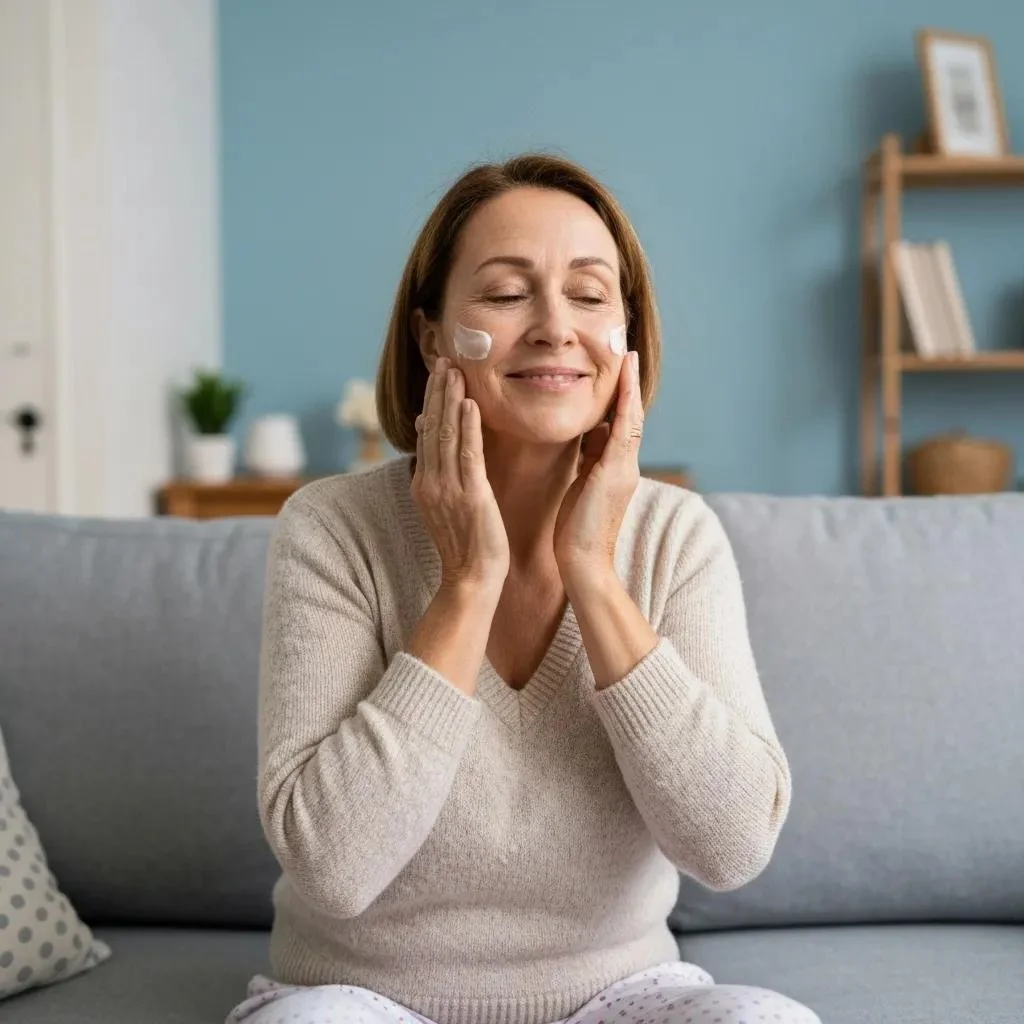
Typical initial downtime after CO₂ resurfacing ranges from 5–14 days depending on treatment intensity; redness and erythema may persist for weeks to months while collagen remodeling continues. Lighter fractional treatments often involve 3–7 days of visible crusting and peeling, moderate protocols extend healing to about 7–10 days, and aggressive full-field ablation commonly requires 10–14 days or longer for re-epithelialization. Residual erythema and subtle swelling can last several weeks, and long-term pigment normalization and collagen maturation unfold over three to six months. Structured aftercare—wound cleansing, protective emollients, and strict sun avoidance—accelerates safe healing and reduces risks such as PIH.
Below is a recovery timeline table mapping intensities to expected symptoms and care actions:
Treatment IntensityDay Range / SymptomsCare ActionsLight fractionalDays 1–7: redness, light peelingGentle cleansing, SPF, emollient ointmentModerate fractionalDays 1–10: crusting, moderate swellingTwice-daily wound care, avoid makeup until re-epithelializedAggressive/full-fieldDays 1–14+: dense crusting, oozing, prolonged erythemaMedical wound management, frequent ointment, close follow-up
What Are the Typical Side Effects and Healing Stages?
Typical side effects include immediate erythema and edema, followed by crusting and flaking as the epidermis sloughs and new skin forms, with peak visible symptoms often in the first week. Mild discomfort, tenderness, and transient pigment changes can occur, and most symptoms diminish with proper wound care; serious complications such as infection, scarring, or prolonged dyschromia are uncommon when protocols are followed. Patients are advised to monitor for increasing pain, purulent drainage, or unusual pigment shifts, which warrant prompt clinical contact. Understanding these stages helps patients anticipate normal healing versus signs that require medical attention.
When Can You Resume Normal Activities and Work?
Return-to-work timelines vary by intensity: many patients find they can resume limited social activity after about a week following light fractional treatments, while moderate protocols may require 7–10 days away from public-facing roles due to peeling and erythema. Aggressive full-field resurfacing typically necessitates 10–14 days or more before returning to normal social engagement, and strenuous exercise should be avoided until the risk of sweat-related irritation and infection has passed. Makeup use is usually deferred until the skin has re-epithelialized and any crusting has resolved to avoid trapping bacteria. Careful planning around work and social obligations is part of pre-procedure counseling and reduces stress during recovery.
What Results Can You Expect from CO₂ Laser Skin Resurfacing?
Results from CO₂ resurfacing include improved skin texture, reduced scar depth, softened wrinkles, and tighter appearance that evolve over months as collagen remodels and the epidermis matures. Early improvements in surface smoothness are often visible within weeks, but peak tightening and volumetric changes from collagen synthesis commonly appear at three to six months after treatment. Longevity depends on intrinsic aging, sun exposure, and maintenance strategies; many patients enjoy durable improvements for several years and may opt for periodic touch-ups or adjunct therapies to sustain outcomes. Viewing standardized before-and-after photos and discussing individualized expectations during consultation helps align goals with achievable results.
How Long Do Results Last and When Do Improvements Peak?
Improvements generally peak between three and six months as collagen matures and remodels, providing progressive tightening and textural gains after the initial healing phase. Duration of benefit varies—many patients maintain visible improvements for multiple years, particularly when they diligently protect skin from sun exposure and follow maintenance regimens. Lifestyle factors such as smoking, UV exposure, and genetic aging rates influence longevity and may accelerate the need for retreatment. Providers discuss realistic maintenance plans during follow-up to preserve improvements and time future touch-ups for optimal cumulative benefits.
Where Can You See CO₂ Laser Before and After Photos from Greenwood Village Patients?
Before-and-after photos are a practical way to evaluate realistic outcomes, and reviewing multiple cases across categories—acne scars, wrinkles, sun damage—helps set expectations for likely improvement. When assessing images, look for consistent lighting, standardized positioning, and clear labeling of timeframe post-treatment to judge true results rather than cosmetic staging. Clinics often categorize galleries by condition and intensity to illustrate typical responses to light, moderate, and aggressive treatments so patients can compare similar cases. Requesting to view cases that closely match your concern during consultation yields the most relevant perspective on expected outcomes.
How Much Does CO₂ Laser Skin Resurfacing Cost in Greenwood Village?
Typical CO₂ laser resurfacing costs in Greenwood Village vary widely by treatment intensity, area treated, and provider expertise, with single-session full-face procedures generally costing more than targeted fractional passes. As a short answer, patients can expect a broad range depending on protocol: light fractional series will be less expensive than a single aggressive full-field resurfacing, while adjuncts like biologic matrices or combination therapies increase total cost. Primary cost drivers include treatment area (full face vs focal spots), device and technology used, clinician experience and medical oversight, and any add-on procedures. For an accurate quote and to explore payment flexibility, schedule a consultation to review personalized options and pricing.
What Factors Influence the Cost of CO₂ Laser Treatments?
Cost is driven by several clear factors: the size of the treatment area, the intensity and number of sessions required, the specific device or technology utilized, clinician expertise and medical supervision, and any adjunctive therapies like PRFM or topical regimens. For example, a single aggressive full-face procedure requires more chair time, medical oversight, and aftercare resources than a targeted fractional session, which is reflected in pricing. Geographic market factors and clinic positioning also influence rates, as do included follow-up visits and aftercare products. During consultation, clinicians outline all cost components so patients can compare scenarios and make informed decisions.
Are Flexible Payment Options Available at MD Body and Med Spa?
MD Body and Med Spa provides flexible payment options to make CO₂ resurfacing more accessible for patients considering treatment in Greenwood Village, and the clinic works with financing partners to offer qualified plans. Cherry is one payment partner available to eligible patients, providing installment and financing choices that can align treatment timing with budget constraints. Discussing financing during the consultation helps patients weigh options—single-session aggressive treatment versus staged fractional series—and select the approach that balances clinical goals with financial planning. Booking a consultation is the practical next step to obtain a personalized quote and payment plan that fits your needs.
Why Choose MD Body and Med Spa for CO₂ Laser Skin Resurfacing in Greenwood Village?
MD Body and Med Spa positions itself as a Greenwood Village clinic emphasizing a personalized approach, cutting-edge technology, expert clinicians, and trust-centered care under medical oversight. Medical director Derrick Payne, MD, provides clinical leadership and ensures treatment protocols prioritize safety, individualized planning, and measurable outcomes, reinforcing the clinic’s commitment to integrity and clinical quality. The practice frames consultations around education-first conversations to help patients discover realistic options, understand downtime, and decide when to book procedures based on informed preferences. Prospective patients are encouraged to discover, book appointments for, and purchase their services and products after a thorough, educational consultation that aligns goals with evidence-based plans.
What Expertise Does Medical Director Derrick Payne, MD, Bring to CO₂ Laser Treatments?
Derrick Payne, MD, serves as medical director and provides clinical oversight for CO₂ resurfacing protocols, ensuring safety standards, treatment planning, and post-procedure follow-up reflect current best practices in aesthetic medicine. His role includes supervising individualized assessments, protocol customization, and complication management pathways so that each patient’s care is medically informed and cohesive. The presence of a named medical director offers patients an assurance of clinician accountability and structured clinical governance. For more detailed information about credentials and clinical approach, patients are invited to discuss specifics during the consultation.
How Does MD Body and Med Spa Personalize CO₂ Laser Treatments for Each Client?
Personalization at the clinic begins with a comprehensive assessment of skin type, concerns, prior treatments, and acceptable downtime, followed by tailored protocol selection that calibrates energy, density, and device mode. The team collaborates with patients to set measurable goals, discuss staged strategies versus single-session options, and recommend adjunctive therapies when appropriate to enhance outcomes. Safety measures—such as conservative settings for higher-risk skin types, pre-treatment regimens, and clear aftercare instructions—are integral to personalization and risk mitigation. This individualized workflow aims to maximize results while minimizing complications and supports informed decision-making.
What Are the Most Common Questions About CO₂ Laser Skin Resurfacing?
Patients commonly ask about downtime, risks, how CO₂ compares to other options, and how to book a consultation, and concise answers help guide decisions and reduce anxiety. This FAQ-style section provides direct, actionable responses to the most frequent queries and points readers toward the next steps for scheduling an evaluation. The final item explicitly describes how to book so patients know what to expect at consultation and how to proceed.
Is There Downtime After CO₂ Laser Treatments and How Long Does It Last?
Typical initial downtime ranges from 5–14 days—light fractional treatments often resolve within about 3–7 days, moderate protocols around 7–10 days, and aggressive full-field resurfacing can require 10–14 days or longer. During this period patients experience redness, swelling, crusting, and peeling as the epidermis sheds and re-epithelializes, and residual redness may persist for weeks to months as collagen remodeling continues. The exact duration depends on treatment intensity, skin type, and proper adherence to aftercare, and patients should plan social and work activities accordingly. Providers emphasize sun avoidance, wound care, and follow-up to reduce prolonged erythema and pigmentary changes.
What Are the Possible Side Effects and Risks of CO₂ Laser Resurfacing?
Common side effects include transient redness, swelling, and crusting; less common but important risks are infection, scarring, and post-inflammatory hyperpigmentation, particularly in darker skin types. Risk mitigation strategies include careful patient selection, conservative initial settings when appropriate, pre- and post-treatment regimens, and timely clinical follow-up to address early signs of complications. Patients should report increasing pain, fever, purulent drainage, or unusual pigment changes promptly so the clinical team can intervene. Understanding and following the aftercare plan is the most effective way to minimize risk and support optimal healing.
How Does CO₂ Laser Compare to Other Laser Treatments?
CO₂ is an ablative modality that provides deeper remodeling than non-ablative lasers, microneedling, or IPL, trading increased efficacy for longer downtime and more intensive aftercare. Non-ablative lasers and IPL offer shorter recovery and are suitable for mild-to-moderate concerns but typically produce less dramatic scar remodeling or tightening than CO₂. Microneedling can stimulate collagen with modest downtime and is often combined with fractional lasers in staged approaches to optimize results. Selecting among modalities depends on severity of concern, desired downtime, and overall treatment plan, which a consultation can clarify.
How Do I Book a CO₂ Laser Consultation in Greenwood Village?
To begin, schedule an educational consultation to review your skin concerns, medical history, and treatment goals so a personalized plan can be developed and pricing discussed; bring any prior procedure records or photos if available. During the consult you will discuss protocol options, recovery expectations, and financing choices, and you can ask about flexible payment options such as Cherry. MD Body and Med Spa invites prospective patients to discover, book appointments for, and purchase their services and products after a consultative assessment that prioritizes education and safety. Preparing questions in advance helps ensure the visit addresses your priorities and clarifies next steps.
Key questions to bring to consultation:
What outcomes are realistic for my skin type and concern?
Which protocol do you recommend and why?
What is the detailed recovery plan and what can prolong downtime?
Frequently Asked Questions
What Should I Expect During the CO₂ Laser Recovery Process?
During the recovery process after CO₂ laser resurfacing, patients can expect a range of symptoms that vary based on the treatment intensity. Initially, redness and swelling are common, followed by crusting and peeling as the skin heals. Light fractional treatments may resolve within 3-7 days, while more aggressive treatments can take 10-14 days or longer. It's crucial to follow aftercare instructions, including gentle cleansing and sun protection, to promote healing and minimize complications. Understanding these stages helps set realistic expectations for recovery.
How Can I Minimize Risks Associated with CO₂ Laser Treatments?
Minimizing risks associated with CO₂ laser treatments involves several proactive steps. First, choose a qualified provider with experience in laser procedures. Discuss your medical history and any skin concerns during the consultation. Following pre-treatment instructions, such as avoiding sun exposure and certain medications, is essential. After the procedure, adhere to the aftercare plan, which includes proper wound care and sun protection. Monitoring for any unusual symptoms, such as increased pain or signs of infection, allows for timely intervention if complications arise.
What Are the Long-Term Benefits of CO₂ Laser Resurfacing?
The long-term benefits of CO₂ laser resurfacing include improved skin texture, reduced appearance of scars, and a more youthful look due to collagen remodeling. Patients often notice significant improvements in skin tightness and smoothness that can last for several years, especially with proper sun protection and skincare maintenance. The procedure not only addresses existing skin issues but also helps prevent future damage by promoting healthier skin regeneration. Regular follow-ups and maintenance treatments can further enhance and prolong these results.
Can CO₂ Laser Treatments Be Combined with Other Procedures?
Yes, CO₂ laser treatments can be effectively combined with other aesthetic procedures to enhance overall results. Common combinations include microneedling, chemical peels, or injectable treatments like fillers and Neurotoxin. These adjunctive therapies can address multiple skin concerns simultaneously, such as fine lines, volume loss, and uneven texture. However, it’s essential to discuss your goals with your provider to create a tailored treatment plan that considers the timing and recovery needs of each procedure for optimal outcomes.
How Do I Choose the Right CO₂ Laser Treatment for My Skin Type?
Choosing the right CO₂ laser treatment for your skin type involves a thorough consultation with a qualified provider. They will assess your skin type, concerns, and treatment goals to recommend the most suitable approach. Factors such as skin tone, texture, and any previous treatments will influence the choice between light fractional, moderate fractional, or aggressive full-field treatments. Understanding your skin's unique characteristics and discussing your expectations will help ensure that the selected treatment aligns with your desired outcomes and minimizes risks.
What Should I Discuss During My CO₂ Laser Consultation?
During your CO₂ laser consultation, it's important to discuss several key topics to ensure a successful treatment experience. Start by outlining your skin concerns and treatment goals. Ask about the recommended protocol, expected downtime, and potential side effects. Inquire about the provider's experience and the technology used. Additionally, discuss any pre-treatment preparations and post-care instructions. Bringing a list of questions can help you cover all necessary aspects and ensure you feel informed and confident about your upcoming procedure.
Conclusion
CO₂ laser skin resurfacing offers transformative benefits, including improved skin texture, reduced wrinkles, and effective scar treatment, making it a sought-after solution for various skin concerns. By understanding the procedure, recovery expectations, and personalized treatment options, patients can make informed decisions that align with their aesthetic goals. For those considering this advanced treatment, scheduling a consultation is the next step to explore tailored solutions and pricing. Discover how CO₂ laser resurfacing can rejuvenate your skin and enhance your confidence today.