
Neurotoxin, Jeuveau or Xeomin? Choosing the Right Wrinkle Treatment in Greenwood Village
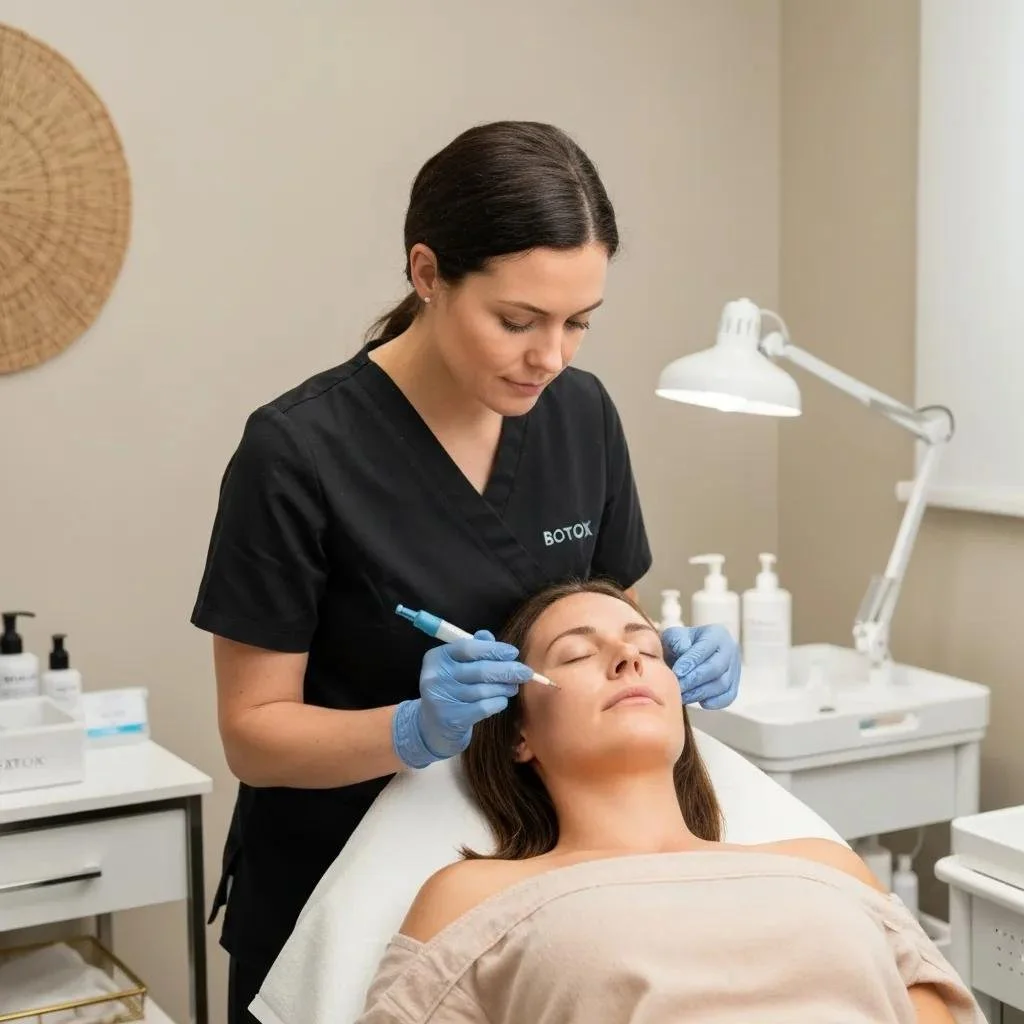
Choosing betweenNeurotoxin, Jeuveau, and Xeomin starts with understanding that these products are all neuromodulators—medically supervised injectables that temporarily relax muscle activity to soften dynamic wrinkles. Knowing how each option works, how quickly results appear, and how long they last helps you match a product to your anatomy and aesthetic goals for safer, more natural-looking outcomes. This article explains the mechanism behind neuromodulators, compares formulation and performance attributes, and maps common treatment areas so you can make an informed choice in Greenwood Village. You’ll find focused sections on why many patients choose Neurotoxin, what makes Jeuveau a modern alternative, and why Xeomin is called the “naked injectable.” Practical comparison tables, clear lists of benefits and treatment areas, and a localized explanation of how MD Body & Med Spa supports patient selection are included to move you from research to a confident consultation. Read on for clinical context, cost and duration considerations, and the most common patient questions answered in plain language.
What Are Neuromodulators and How Do Neurotoxin, Jeuveau, and Xeomin Work?
Neuromodulators are prescription injectable proteins that reduce dynamic facial wrinkles by interrupting nerve signals that prompt muscle contraction, resulting in smoother skin and softer lines. At the cellular level they block acetylcholine release at the neuromuscular junction, producing temporary muscle relaxation that diminishes expression lines without affecting facial expression when dosed correctly. The practical benefit is reduced dynamic wrinkles with minimal downtime, making these treatments a first-line non-surgical option for forehead lines, glabellar creases, and crow’s feet. Understanding this mechanism helps you weigh onset and duration differences across brands and prepares you to ask targeted questions about dosing and maintenance during consultation.
What Is a Neuromodulator and How Does It Reduce Wrinkles?
A neuromodulator is a therapeutic protein derived from botulinum toxin type A that temporarily weakens targeted muscles to smooth expression lines. The mechanism is straightforward: injection → blockade of acetylcholine release → diminished muscle contraction → visible softening of dynamic wrinkles over days to weeks. Patients typically notice onset within a few days and reach maximal effect in one to two weeks, with individual timelines varying by dose, treated area, and metabolism. This predictable action underpins the safety and versatility of neuromodulators in aesthetic practice and leads naturally to brand-level differences worth comparing next.
This foundational understanding of how neuromodulators work is supported by extensive clinical literature.
Understanding Neurotoxin, Xeomin, and Jeuveau: Pharmacology and Cosmetic Use
Neurotoxins, or botulinum neurotoxins type A (BoNT/A), are commonly known as Neurotoxin®, Dysport®, Xeomin®, and Jeuveau™ for cosmetic use and are the most commonly performed nonsurgical aesthetic procedure in the world. A new FDA-approved BoNT/A called Daxxify® (daxibotulinumtoxin-lanm) was released to the US market mid-June 2022. BoNT/A treatment in the facial muscles causes relaxation of the muscle fibers by cleaving SNAP-25 and subsequently reducing the formation of SNARE complexes and acetylcholine release from the peripheral nerve cells into the neuromuscular junction. This results in relaxation of the targeted muscle or muscle group and leads to smoother overlying skin because the muscle is no longer able to fully contract and cause a line. The smoothing result of the neurotoxin is temporary and lasts approximately 3–4 months, although the medication package inserts state up to 6 months. This chapter will review the pharmacology of the most commonly used neurotoxins for cosmetic use.
… (Neurotoxin®), Abobotulinum ToxinA (Dysport®), Incobotulinum ToxinA (Xeomin®), DaxibotulinumtoxinA-Lanm (Daxxify ®), and PrabotulinumtoxinA-Xvfs (Jeuveau™), 2024
How Are Neurotoxin, Jeuveau, and Xeomin Similar and Different?
Neurotoxin, Jeuveau, and Xeomin all belong to the botulinum toxin type A family and share the same fundamental mechanism of action, but they differ in formulation, manufacturing, and accessory proteins. Neurotoxin (onabotulinumtoxinA) is the established reference product, Jeuveau (prabotulinumtoxinA) is positioned as a modern alternative commonly called “Newtox,” and Xeomin (incobotulinumtoxinA) is formulated without complexing proteins—hence the “naked injectable” label. These distinctions can influence immunogenicity, onset, and clinician preference, though individual response and injector technique usually drive outcomes more than brand alone. Recognizing these differences helps you interpret clinical explanations and sets up meaningful comparison of onset, duration, and cost.
These distinct formulations are a key factor in how each neurotoxin is characterized and compared in clinical settings.
Neurotoxin, Xeomin, Jeuveau: Comparing FDA-Approved Botulinum Toxin Formulations
This chapter describes the pharmacological and clinical characteristics of six botulinum toxins—Neurotoxin, Xeomin, Dysport, Myobloc, Jeuveau and Dixxify—currently approved by FDA for use in the US. Two other unapproved, but widely used, botulinum toxins in Asia, Prosigne and Meditox are also briefly discussed. In addition, a brief account on the structure of clinical trials and definition of study phases, I, II, III, IV as it pertains to clinical investigations in the field of toxicology is also provided. The classification of clinical studies based on their quality—class I to IV and their level of study efficacy—A, B, C, U—are described using the guidelines provided by the Assessment and Therapeutics Subcommittee of the American Academy of Neurology.
Beyond Neurotoxin: Other Neurotoxins—What Are Similarities and Differences?, 2024
For patients seeking local care, MD Body & Med Spa in Greenwood Village provides neuromodulator consultations supervised by medical professionals, where formulation choices are discussed within a safety-first framework and individualized treatment plans are created. This local availability makes it easier to ask brand-specific questions and plan follow-up tailored to your response.
Why Choose Neurotoxin? Benefits, Uses, and Treatment Areas in Greenwood Village
Neurotoxin has long been the standard neuromodulator for aesthetic wrinkle relaxation because it reliably reduces dynamic lines, offers a proven safety profile, and integrates smoothly into combination facial rejuvenation strategies. Its mechanism—targeted reduction of muscle activity—translates into natural-looking softening of the forehead, glabellar region, and crow’s feet when administered by a trained injector. The specific benefit for Greenwood Village patients is access to a widely studied option with predictable dosing ranges and extensive clinical experience supporting both cosmetic and certain therapeutic uses. Understanding Neurotoxin’s practical benefits clarifies when it may be the preferred starting point for many treatment plans.
What Are the Key Benefits of Neurotoxin for Wrinkle Treatment?
Neurotoxin delivers several practical advantages for wrinkle treatment, including rapid aesthetic improvement, minimal recovery time, and the potential for preventive use in younger patients seeking to slow line formation. It works quickly enough for patients to see changes within days, typically requires no downtime, and can be combined with fillers or skin treatments to address static lines and volume loss. Safety depends on appropriate patient selection and injector expertise, which reduces complications and improves natural results. These benefits make Neurotoxin a flexible tool for tailored facial rejuvenation, leading into the specific areas where it is most effective.
Neurotoxin offers key benefits worth summarizing:
Effective wrinkle reduction: Softens dynamic lines in expressive areas.
Minimal downtime: Resume normal activities shortly after treatment.
Preventative use: Can slow formation of deeper lines with periodic maintenance.
These advantages guide decision-making about which facial areas to prioritize during treatment planning.
Which Facial Areas Does Neurotoxin Treat Best?
Neurotoxin is most commonly used to treat glabellar lines between the brows, horizontal forehead lines, and crow’s feet at the lateral eyes; it also addresses bunny lines on the nose and hyperactive chin dimpling. Dosing and injection patterns are tailored to the patient’s facial anatomy and muscle strength to preserve natural expression while reducing unwanted lines. Many patients benefit from combination treatments—Neurotoxin for dynamic lines plus fillers for static creases—to achieve balanced, harmonious outcomes. Knowing which areas respond best to Neurotoxin helps patients set expectations and plan sessions efficiently.
Before reviewing the table of treatment-area outcomes, consider this mapping of Neurotoxin outcomes across common facial zones.
Treatment AreaTypical OutcomeExpected TimelineGlabella (frown lines)Noticeable softening of vertical linesOnset 2–7 days, peak ~2 weeksCrow’s feet (lateral eyes)Reduced lateral wrinkling with preserved smileOnset 2–5 days, peak ~1–2 weeksForehead linesSmoother horizontal bands with maintained movementOnset 3–7 days, peak ~2 weeks
What Makes Jeuveau the Modern Choice for Wrinkle Relaxation?

Jeuveau is marketed as a modern neuromodulator option with FDA approval for glabellar lines and is designed to offer comparable efficacy to established products while emphasizing streamlined manufacturing and aesthetic positioning. Its mechanism mirrors other botulinum toxin type A products—reducing neurotransmitter release to relax targeted muscles—but clinicians may note subtle differences in formulation and presentation that influence handling and patient preference. The practical benefit is an additional effective choice that expands options for patients intolerant of or unsatisfied with other brands, especially when injector experience and individualized dosing are prioritized. This context frames Jeuveau as a contemporary competitor in the neuromodulator landscape.
How Does Jeuveau Compare to Neurotoxin in Onset and Duration?
Jeuveau often demonstrates an onset and duration profile similar to Neurotoxin, with many patients noticing improvement within three to seven days and effects lasting several months depending on dose and muscle activity. Individual variability is common: stronger muscles and higher metabolic rates can shorten clinical duration, while higher doses or re-treatment cycles may extend longevity. Rather than assuming one brand is universally faster or longer-lasting, clinicians assess patient response and adjust plans accordingly. This nuance reinforces the importance of personalized dosing and follow-up to optimize results.
What Are Jeuveau’s FDA-Approved Uses and Benefits?
Jeuveau is FDA-approved for the treatment of moderate to severe glabellar lines in adults, offering the practical benefit of another regulated option for frown-line reduction. Clinicians may also use it off-label for other dynamic lines based on anatomy and experience, but FDA approval provides a clear baseline for glabellar treatment. Safety and administration follow the same clinical principles as other neuromodulators—accurate placement, appropriate dose, and patient screening are essential. Understanding Jeuveau’s approved indication helps patients ask precise questions about expected results and treatment planning.
Jeuveau’s positioning as a modern alternative widens choice for patients and leads into consideration of formulation differences exemplified by Xeomin’s “naked” approach.
How Is Xeomin Different as the “Naked Injectable” for Wrinkles?
Xeomin is distinct because it is formulated without accessory (complexing) proteins, earning the “naked injectable” label; this cleaner formulation may theoretically reduce immunogenicity and antibody formation in some patients. The core mechanism—temporary muscle relaxation via blockade of acetylcholine—remains the same, but the absence of accessory proteins is the key formulation attribute that differentiates Xeomin from other botulinum toxin type A products. For patients and clinicians concerned about antibody-mediated resistance following long-term or high-dose use, Xeomin can be a considered option within a broader treatment strategy. This formulation nuance leads to practical selection criteria that clinicians use during consultation.
What Are the Advantages of Xeomin’s Pure Formulation?
Xeomin’s pure formulation means the product contains the active neurotoxin without added complexing proteins, which may lower the theoretical risk of developing neutralizing antibodies over repeated treatments. In practice, this can matter for patients who require frequent or high-dose injections, or for those with prior inadequate responses suspected to be antibody-related. Clinical evidence supports Xeomin as effective for the same cosmetic indications as other neuromodulators, though individual response governs final choice. Considering these potential advantages helps patients and providers decide when to prefer a pure formulation.
Which Wrinkle Areas Are Best Treated with Xeomin?
Xeomin treats the same primary areas as other neuromodulators—glabellar lines, forehead lines, and crow’s feet—using tailored dosing to match muscle strength and cosmetic goals. Injection technique and anatomical mapping remain the primary determinants of natural-looking results rather than product name alone, so experienced injector assessment is crucial. When antibody formation is a concern, Xeomin can be prioritized, but for most patients the practical differences are subtle and require clinician judgment. This practical mapping prepares patients to discuss specific area treatment and maintenance scheduling with their provider.
Xeomin’s formulation attributes point directly to comparative decision-making about onset and cost, summarized next.
How Do Neurotoxin, Jeuveau, and Xeomin Compare? Key Differences in Cost, Duration, and Effectiveness
Comparing these neuromodulators side-by-side focuses on onset, duration, formulation differences, FDA approvals, and typical cost considerations; each product offers similar effectiveness for many patients, but nuances guide personalized selection. Onset typically ranges from a few days to one week and duration commonly spans three to five months depending on product, dose, and individual biology. Cost models vary—clinics may price by unit or by treatment area—so transparency about units used and expected maintenance helps patients compare value. Clear consultation is necessary because unit counts, targeted muscles, and desired softness versus frozen look determine both outcome and price.
What Are the Typical Onset Times and Duration of Each Neurotoxin?
Onset and duration vary but fall within predictable ranges that inform scheduling and expectations. Neurotoxin usually shows initial effect in 3–7 days with results lasting about 3–4 months on average; Jeuveau commonly shows improvement in roughly 3–7 days with similar duration; Xeomin can present onset around 3–7 days as well and may be favored when antibody concerns exist. Factors such as dose, treated area, metabolic rate, and prior exposure influence longevity and guide maintenance intervals. These timelines help patients plan follow-up and maintenance appointments to sustain desired results.
The typical onset and duration of these neurotoxins are well-documented and form a crucial part of patient education.
Understanding Neurotoxin, Xeomin, and Jeuveau: Pharmacology and Cosmetic Use
Neurotoxins, or botulinum neurotoxins type A (BoNT/A), are commonly known as Neurotoxin®, Dysport®, Xeomin®, and Jeuveau™ for cosmetic use and are the most commonly performed nonsurgical aesthetic procedure in the world. A new FDA-approved BoNT/A called Daxxify® (daxibotulinumtoxin-lanm) was released to the US market mid-June 2022. BoNT/A treatment in the facial muscles causes relaxation of the muscle fibers by cleaving SNAP-25 and subsequently reducing the formation of SNARE complexes and acetylcholine release from the peripheral nerve cells into the neuromuscular junction. This results in relaxation of the targeted muscle or muscle group and leads to smoother overlying skin because the muscle is no longer able to fully contract and cause a line. The smoothing result of the neurotoxin is temporary and lasts approximately 3–4 months, although the medication package inserts state up to 6 months. This chapter will review the pharmacology of the most commonly used neurotoxins for cosmetic use.
… (Neurotoxin®), Abobotulinum ToxinA (Dysport®), Incobotulinum ToxinA (Xeomin®), DaxibotulinumtoxinA-Lanm (Daxxify ®), and PrabotulinumtoxinA-Xvfs (Jeuveau™), 2024
How Do Cost and Treatment Areas Vary Among Neurotoxin, Jeuveau, and Xeomin?
Cost is often presented per unit or per area; because units required vary with muscle strength and aesthetic goals, price comparisons should focus on expected unit counts and total session cost rather than brand alone. Asking a provider for the estimated number of units per area and expected re-treatment interval creates transparent pricing conversations and avoids surprise costs. Clinics serving Greenwood Village commonly provide tailored quotes during consultation and discuss combination plans that may affect total cost. This pricing reality underscores the value of an in-person assessment to produce an accurate, personalized estimate.
Below is a concise EAV comparison table summarizing key attributes for quick reference.
ProductAttributeTypical ValueNeurotoxinOnset3–7 days Neurotoxin Duration~3–4 monthsJeuveauOnset~3–7 daysJeuveauDuration~3–4 monthsXeominFormulationIncobotulinumtoxinA; no complexing proteinsXeominUse caseConsider when antibody risk is a concern
How Can MD Body & Med Spa Help You Choose the Best Wrinkle Treatment in Greenwood Village?
MD Body & Med Spa offers personalized consultations to match neuromodulator selection to individual facial anatomy, movement patterns, and aesthetic goals under medical oversight, providing a safety-focused pathway to treatment selection. The clinic’s approach emphasizes facial-anatomy-driven recommendations, clear explanation of expected outcomes, and coordinated plans that may combine injectables with complementary skin treatments when appropriate. Safety and comfort measures—sterile technique, topical numbing on request, and follow-up care—are central to the patient experience, and flexible payment options such as a Cherry partnership help make care more accessible. For Greenwood Village and Denver Tech Center patients, this local availability supports timely follow-up and maintenance scheduling.
Why Is a Personalized Consultation Important for Neurotoxin Selection?
A personalized consultation evaluates anatomy, muscle movement patterns, prior injectable history, medical considerations, and aesthetic goals to determine the optimal product and dosing strategy. During consultation, providers assess which areas drive your primary concerns, estimate units required, and outline expected timelines for onset and maintenance. This individualized planning reduces the risk of over- or under-treatment and improves the chance of natural-looking results that align with your goals. Clear expectation-setting in consultation also creates a basis for transparent cost and follow-up scheduling.
The importance of personalized consultations for aesthetic treatments like neuromodulators is a recurring theme in medical literature.
Aesthetic Uses of Neuromodulators: Current Applications and Future Trends
Here, we will review the current uses and future directions for aesthetic indications. The efficacy and safety of BoNT-A to treat this area of the face have been well documented in the
Aesthetic uses of neuromodulators: current uses and future directions, 2015
ServiceAttributePatient BenefitPersonalized ConsultationFacial anatomy assessmentCustomized plan for natural resultsNeuromodulator SelectionProduct and dose recommendationOptimized onset and duration per patientSafety & Follow-upMedical oversight and aftercareReduced risk, timely adjustmentsMD Body & Med SpaLocal availabilityConvenient access to care
What Safety and Comfort Measures Does MD Body & Med Spa Provide?
MD Body & Med Spa emphasizes safety protocols such as sterile technique, medical oversight by credentialed clinicians, and documented follow-up to manage outcomes and address questions after treatment. Comfort measures may include topical anesthetic on request and clear post-treatment instructions to reduce bruising and optimize results. The clinic’s process includes a pre-treatment screening to identify contraindications and a post-care plan that outlines when to expect improvement and how to schedule maintenance. Knowing these protocols helps patients feel informed and supported, which naturally leads into common patient questions about choosing the right neurotoxin.
For patients considering treatment, a short checklist of consultation topics helps ensure all relevant factors are discussed:
Medical history and prior injectable responses
Specific aesthetic goals and treatment areas
Expected units, cost estimate, and maintenance plan
These points set the stage for the final FAQ section that addresses common decision-stage questions.
What Are the Most Common Questions About Neurotoxin, Jeuveau, and Xeomin?
Patients frequently ask which neurotoxin is best for their wrinkle type, how long results last, and what to expect immediately after treatment; concise answers help move toward booking a consultation. Clear, direct responses reduce uncertainty and equip readers to prepare meaningful questions for their provider. Below are short answers optimized for direct use in decision-making and for featured snippet potential.
Which Neurotoxin Is Right for My Wrinkle Type?
Dynamic wrinkles—those caused by muscle movement—are appropriate targets for any of these neuromodulators, with selection influenced by prior responses, antibody considerations, and injector preference. For first-time patients, Neurotoxin often serves as a reference option because of its extensive track record; Jeuveau is a modern alternative that functions similarly; Xeomin may be chosen when reduced accessory proteins are desired. Static wrinkles caused by volume loss generally require fillers or resurfacing rather than neuromodulators. The best approach is an anatomy-focused consultation to map concerns to product and technique.
How Long Do Results Last and What Should I Expect After Treatment?
Results typically emerge within 3–7 days and often last about three to four months, though individual variation is normal and maintenance scheduling depends on your response and goals. Immediately after treatment you may experience mild redness, swelling, or small bruises that resolve within days; patients are advised to follow post-care guidance to minimize complications and to avoid rubbing treated areas for a short period. Follow-up visits allow assessment of effect and touch-ups if needed, and a regular maintenance cadence preserves desired outcomes over time. If you have additional questions or want to see examples of outcomes, MD Body & Med Spa’s local team offers consultations and a before-and-after gallery alongside service pages to help you visualize options and schedule care.
Common quick FAQs summarized:
Which neurotoxin works fastest? Individual response varies; onset is usually within a week.
Are treatments painful? Discomfort is minimal and often managed with topical numbing.
When can I rebook? Maintenance commonly occurs every 3–4 months based on effect.
If you’re ready to discuss options, MD Body & Med Spa’s Greenwood Village team offers personalized consultations with medical oversight and flexible payment options to help you plan treatment and follow-up. The clinic’s local availability, consultation process, and before-and-after gallery make it straightforward to compare options and schedule the next step toward your goals.
Frequently Asked Questions
What Should I Consider Before Choosing a Neuromodulator?
Before selecting a neuromodulator, consider factors such as your specific wrinkle type, treatment goals, and any previous experiences with injectables. It's essential to discuss your medical history, including any allergies or conditions that may affect treatment. Additionally, understanding the differences in formulation and expected outcomes between Neurotoxin, Jeuveau, and Xeomin can help you make an informed decision. A personalized consultation with a qualified provider will ensure that your unique needs and preferences are taken into account for optimal results.
How Do I Prepare for My Neuromodulator Treatment?
Preparation for neuromodulator treatment typically involves avoiding blood thinners, such as aspirin or ibuprofen, for a few days prior to your appointment to minimize bruising. Staying hydrated and informing your provider about any medications or supplements you are taking is also crucial. On the day of treatment, arrive with a clean face, free of makeup. Your provider may apply a topical anesthetic to enhance comfort during the procedure. Following these steps can help ensure a smooth treatment experience.
What Are the Potential Side Effects of Neuromodulator Treatments?
While neuromodulator treatments are generally safe, some potential side effects may include mild redness, swelling, or bruising at the injection site. Other less common effects can include headaches, drooping eyelids, or asymmetry in facial expression. Most side effects are temporary and resolve within a few days. It's important to discuss any concerns with your provider during the consultation, as they can provide guidance on managing side effects and ensuring a positive treatment experience.
How Often Should I Schedule Follow-Up Treatments?
Follow-up treatments for neuromodulators are typically recommended every three to four months, depending on individual response and desired outcomes. Factors such as muscle strength, metabolism, and the specific product used can influence how long the effects last. Regular follow-ups allow your provider to assess the results and make any necessary adjustments to your treatment plan. Establishing a maintenance schedule helps ensure that you achieve and maintain your aesthetic goals over time.
Can I Combine Neuromodulators with Other Aesthetic Treatments?
Yes, combining neuromodulators with other aesthetic treatments, such as dermal fillers or skin rejuvenation procedures, is common and can enhance overall results. This approach allows for a more comprehensive facial rejuvenation strategy, addressing both dynamic and static wrinkles. During your consultation, discuss your goals with your provider, who can recommend a tailored treatment plan that may include multiple modalities for optimal outcomes. Combining treatments can lead to a more balanced and harmonious appearance.
What Should I Expect During the Recovery Process?
Recovery from neuromodulator treatments is typically quick, with most patients resuming normal activities immediately. You may experience mild swelling or redness at the injection sites, which usually resolves within a few hours to a couple of days. It's advisable to avoid strenuous exercise, excessive heat, and lying down for a few hours post-treatment to minimize the risk of complications. Following your provider's aftercare instructions will help ensure the best possible results and a smooth recovery process.
Conclusion
Choosing the right neuromodulator can significantly enhance your aesthetic results by effectively reducing dynamic wrinkles while maintaining natural facial expressions. Understanding the unique benefits of Neurotoxin, Jeuveau, and Xeomin empowers you to make informed decisions tailored to your individual needs. For personalized guidance and to explore your options, consider scheduling a consultation with MD Body & Med Spa today. Experience the confidence that comes with a well-informed choice in wrinkle treatment.